7 Essential Types of Security Jobs Explained for UK Careers
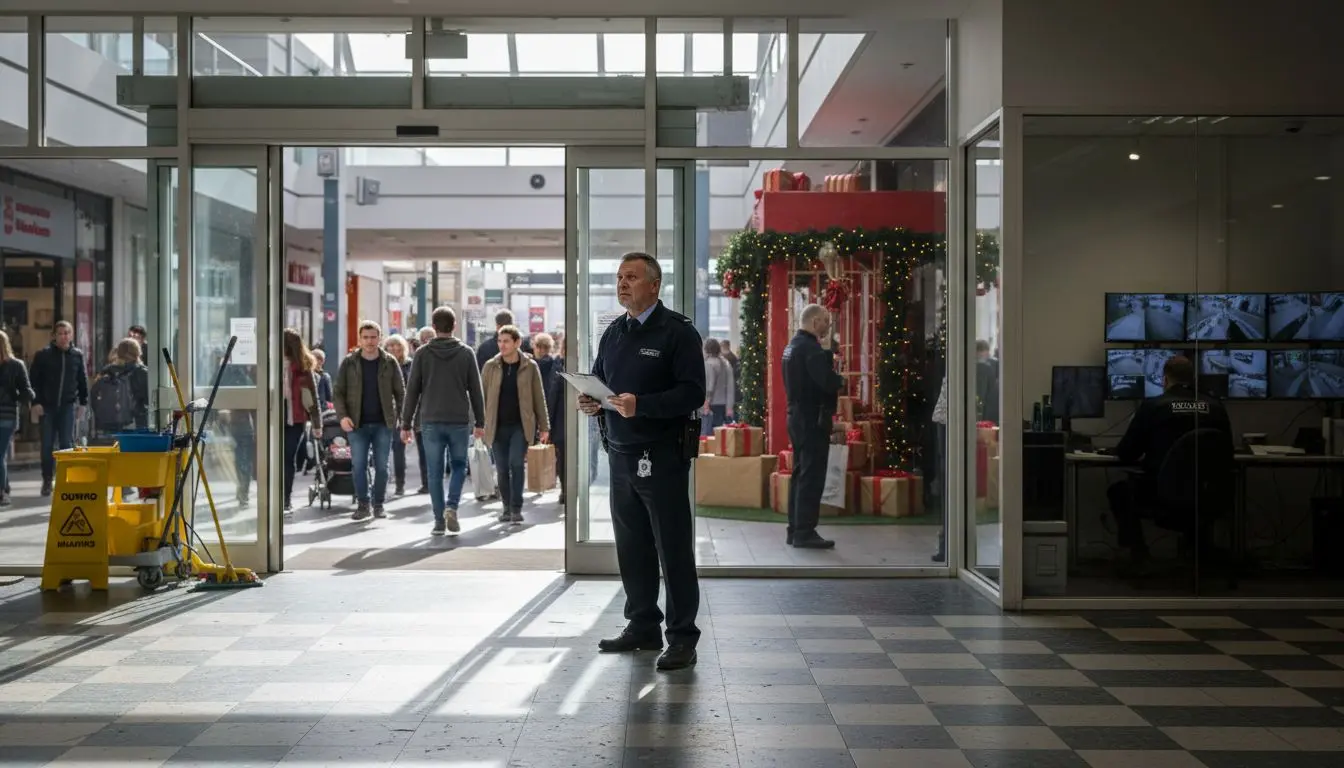
Most people are surprised to learn that the British security sector employs over 400,000 professionals across a range of vital roles. Whether it is a busy festival, a corporate office, or a city street, everyday safety depends on this diverse workforce. British security jobs are more than just uniforms and late shifts. This guide spotlights the essential positions that keep people, property, and events protected across the United Kingdom.
Table of Contents
- 1. Security Guard Roles: Protecting People and Property
- 2. Door Supervisor Positions: Ensuring Safe Venues
- 3. CCTV Operator Jobs: Monitoring Public Safety
- 4. Close Protection Officer Careers: Safeguarding Individuals
- 5. Security Systems Installer: Setting Up Safety Solutions
- 6. Security Manager Opportunities: Leading Teams and Operations
- 7. Event Security Staff: Managing Large Crowds and Sites
Quick Summary
| Takeaway | Explanation |
|---|---|
| 1. Security Guards Ensure Safety | Security guards are essential for protecting people and property through monitoring and intervention in various environments. |
| 2. Door Supervisors Manage Conflict | Door supervisors play a crucial role in maintaining order and safety in entertainment venues by handling entry management and conflict resolution. |
| 3. CCTV Operators Monitor Security | CCTV operators oversee surveillance systems to identify threats and respond quickly, ensuring public safety in many locations. |
| 4. Close Protection Officers Safeguard Individuals | Close protection officers provide elite personal security for high-profile clients, utilizing threat assessments and rapid response techniques. |
| 5. Security Managers Coordinate Operations | Security managers develop strategies and oversee security teams to ensure comprehensive safety across various organisational settings. |
1. Security Guard Roles: Protecting People and Property
Security guards represent the frontline defence for businesses, organisations, and public spaces across the United Kingdom. Their primary responsibility involves maintaining safety, preventing potential threats, and ensuring the protection of people and property through vigilant monitoring and strategic intervention.
In practical terms, security guards perform a multifaceted role that goes far beyond simply standing watch. They actively patrol designated areas, monitor surveillance systems, control access points, and respond quickly to any suspicious activities or potential security breaches. Understanding the role of security guards reveals their critical importance in maintaining public safety.
Key Responsibilities of Security Guards Include:
- Conducting regular site patrols to identify and address potential security risks
- Monitoring CCTV and alarm systems with keen attention to detail
- Checking identification and managing entry points for restricted areas
- Documenting incidents and maintaining comprehensive security logs
- Providing immediate response to emergencies such as fires, medical incidents, or criminal activities
Successful security guards possess a unique combination of physical alertness, communication skills, and professional demeanour. They must remain calm under pressure, communicate clearly with members of the public and colleagues, and make quick decisions that prioritise human safety.
Professional security work requires specific skills beyond physical presence. Guards must understand conflict resolution techniques, basic first aid, and emergency protocols. Many security roles also demand additional qualifications such as SIA (Security Industry Authority) licensing, which ensures professionals meet national standards of competence and integrity.
Whether working in retail centres, corporate offices, healthcare facilities, or public events, security guards play a pivotal role in creating safe environments. Their presence provides both a visual deterrent to potential criminal activity and a rapid response mechanism when threats emerge.
2. Door Supervisor Positions: Ensuring Safe Venues
Door supervisors serve as the critical gatekeepers of public entertainment venues, playing a pivotal role in maintaining safety and order in environments where large groups gather. Their responsibilities extend far beyond simply checking identification and managing entry points.
Examples of security roles reveal the complex nature of door supervision work. According to the National Careers Service, door supervisors are professionals who ensure the safety of customers and staff in venues that serve alcohol, managing entry, handling potential conflicts, and ensuring strict compliance with licensing laws.
Key Responsibilities of Door Supervisors Include:
- Checking identification to verify legal age for entry
- Managing crowd control and preventing overcrowding
- Defusing potential conflicts and managing aggressive behaviour
- Maintaining a safe and respectful environment for all patrons
- Responding quickly to emergencies and coordinating with local authorities
- Enforcing venue specific rules and alcohol service regulations
Successful door supervisors require a unique combination of physical presence, communication skills, and emotional intelligence. They must remain calm under pressure, communicate clearly and assertively, and make rapid decisions that prioritise public safety.
To work legally as a door supervisor in the United Kingdom, professionals must obtain a valid Security Industry Authority (SIA) licence. This certification ensures that individuals meet national standards of competence, including conflict resolution training, legal knowledge, and professional conduct.
Beyond nightlife venues, door supervisors work in diverse settings including sporting events, music festivals, corporate functions, and private security arrangements. Their role demands physical fitness, strong observational skills, and the ability to remain professional in potentially challenging situations.
3. CCTV Operator Jobs: Monitoring Public Safety
CCTV operators represent the hidden guardians of public spaces, providing crucial surveillance and security monitoring across numerous environments in the United Kingdom. These professionals utilise advanced technological systems to observe, analyse, and respond to potential safety incidents in real time.
Understanding security job classifications reveals the critical role CCTV operators play in maintaining public safety. Their responsibilities extend far beyond simply watching screens they actively protect people, property, and infrastructure through continuous monitoring and rapid incident response.
Key Responsibilities of CCTV Operators Include:
- Monitoring multiple camera feeds simultaneously
- Identifying and reporting suspicious activities or potential security breaches
- Maintaining detailed logs of all observations and incidents
- Coordinating with law enforcement and emergency services when required
- Operating complex surveillance equipment and security management systems
- Analysing video footage for investigative purposes
Successful CCTV operators require exceptional attention to detail, strong visual concentration skills, and the ability to remain calm and focused during high stress situations. They must possess quick decision making abilities and excellent communication skills to effectively relay critical information.
Professional CCTV operators typically work in diverse settings including shopping centres, transportation hubs, corporate offices, public spaces, and critical infrastructure locations. Modern surveillance roles increasingly demand technological proficiency, with operators using sophisticated digital systems that incorporate artificial intelligence and advanced analytics.
To enter this profession, individuals usually need specialised training, Security Industry Authority (SIA) licensing, and often additional qualifications in security technology or digital monitoring systems. The role demands both technical skills and a commitment to public safety, making it an essential component of the United Kingdom’s security infrastructure.
4. Close Protection Officer Careers: Safeguarding Individuals
Close protection officers represent the elite tier of security professionals, dedicated to ensuring the personal safety of high profile individuals, executives, celebrities, and public figures. These highly trained specialists provide comprehensive security solutions that go far beyond traditional protective services.
Security job opportunities in the UK reveal the sophisticated nature of close protection work. These professionals are responsible for anticipating potential threats, developing comprehensive security strategies, and implementing rapid response protocols to safeguard their clients.
Key Responsibilities of Close Protection Officers Include:
- Conducting advanced threat assessments and risk analysis
- Planning and managing secure travel routes and transportation
- Monitoring environments for potential security risks
- Maintaining constant situational awareness
- Implementing emergency extraction procedures if necessary
- Coordinating with local law enforcement and security teams
- Providing discrete yet comprehensive personal protection
Successful close protection officers possess an extraordinary combination of physical fitness, tactical awareness, interpersonal skills, and professional discretion. They must remain calm under pressure, make split second decisions, and maintain a professional demeanour while remaining constantly alert.
To enter this demanding profession, individuals typically require extensive training, including advanced first aid certification, defensive tactics, firearms proficiency, and specialised security qualifications. The Security Industry Authority (SIA) licence is mandatory, and many professionals have backgrounds in military, law enforcement, or martial arts.
Close protection work encompasses diverse environments from corporate settings and diplomatic missions to entertainment events and personal security arrangements. Professionals in this field must adapt quickly, think strategically, and prioritise client safety above all else. The role demands not just physical prowess but also exceptional communication skills, emotional intelligence, and an unwavering commitment to protection.
5. Security Systems Installer: Setting Up Safety Solutions
Security systems installers are the technical experts who transform advanced security technologies into functional protective infrastructures for businesses, organisations, and residential properties. These professionals play a critical role in designing, implementing, and maintaining comprehensive safety solutions that safeguard people and assets.
Security systems engineering requires a sophisticated blend of technical expertise, practical problem solving skills, and strategic thinking. Installers must understand complex technological systems and translate them into practical security solutions that meet specific client requirements.
Key Responsibilities of Security Systems Installers Include:
- Conducting initial site surveys and security assessments
- Installing advanced surveillance cameras and monitoring equipment
- Configuring access control systems and alarm networks
- Testing and calibrating security hardware and software
- Providing technical support and system maintenance
- Ensuring compliance with industry safety standards
- Troubleshooting and resolving technical issues
Successful security systems installers possess strong technical skills, electrical knowledge, and an analytical approach to problem solving. They must be comfortable working with complex technological systems, understanding intricate wiring configurations, and adapting to rapidly evolving security technologies.
To excel in this profession, individuals typically require specialised qualifications such as electrical engineering certifications, specific security systems training, and professional accreditations. Many professionals start with apprenticeships or technical college programmes that provide hands on experience with security technologies.
The role demands continuous learning as security technologies rapidly advance. Modern security systems installers work across diverse environments including corporate offices, residential complexes, retail spaces, and critical infrastructure locations. Their work combines technical precision with strategic thinking to create robust security ecosystems that protect people and property effectively.
6. Security Manager Opportunities: Leading Teams and Operations
Security managers represent the strategic leadership tier within the security industry, responsible for coordinating comprehensive protection strategies and managing complex security operations across diverse organisational environments. These professionals blend technical expertise with advanced leadership and strategic planning skills.
Career paths in security reveal the sophisticated nature of security management roles, which require professionals to oversee teams, develop risk mitigation strategies, and ensure organisational safety protocols are effectively implemented.
Key Responsibilities of Security Managers Include:
- Developing comprehensive security policies and procedures
- Supervising and training security personnel
- Conducting risk assessments and threat analysis
- Managing security budgets and resource allocation
- Coordinating with external law enforcement agencies
- Implementing advanced technological security solutions
- Ensuring regulatory compliance and reporting
Successful security managers possess a unique blend of technical knowledge, leadership capabilities, and strategic thinking. They must understand complex security technologies, manage diverse teams, and make critical decisions that protect people and assets.
To advance into security management positions, professionals typically require extensive experience in frontline security roles, advanced qualifications such as security management degrees, and professional certifications. Many managers hold backgrounds in military, law enforcement, or specialised security training programmes.
The role demands continuous learning and adaptability. Modern security managers work across various sectors including corporate environments, healthcare institutions, educational facilities, critical infrastructure, and government organisations. Their strategic approach integrates human expertise with technological solutions to create robust, comprehensive security frameworks.
7. Event Security Staff: Managing Large Crowds and Sites
Event security staff represent the critical frontline professionals responsible for ensuring safety, managing crowd dynamics, and maintaining order during large public gatherings, concerts, sporting events, festivals, and corporate functions. Their role goes far beyond simple surveillance, requiring a sophisticated approach to crowd management and risk mitigation.
Understanding event security reveals the complex skill set required to manage diverse and potentially unpredictable public environments. These professionals must balance maintaining a welcoming atmosphere with ensuring robust safety protocols.
Key Responsibilities of Event Security Staff Include:
- Conducting thorough venue risk assessments before events
- Managing entry points and performing identification checks
- Controlling crowd movement and preventing potential overcrowding
- Responding swiftly to medical emergencies or security incidents
- Coordinating with local law enforcement and event organisers
- Monitoring crowd behaviour and identifying potential security threats
- Implementing evacuation procedures if required
Successful event security professionals possess exceptional communication skills, physical fitness, and the ability to remain calm under pressure. They must quickly assess situations, make rapid decisions, and interact professionally with diverse groups of people.
To work effectively in event security, individuals typically require specific qualifications such as the Security Industry Authority (SIA) licence, first aid certification, and training in crowd management techniques. Many professionals have backgrounds in military, law enforcement, or martial arts, which provide valuable skills in conflict resolution and situational awareness.
Event security roles span a wide range of environments from music festivals and sporting events to corporate conferences and private functions. The work demands adaptability, teamwork, and a proactive approach to maintaining public safety while ensuring a positive experience for event attendees.
Below is a comprehensive table summarizing the various security roles and responsibilities discussed throughout the article.
| Role | Key Responsibilities | Skills & Qualifications |
|---|---|---|
| Security Guard | Patrolling, monitoring CCTV, responding to emergencies | Physical alertness, communication, SIA licensing |
| Door Supervisor | Checking ID, crowd control, conflict management | Physical presence, SIA licence, emotional intelligence |
| CCTV Operator | Monitoring camera feeds, reporting incidents | Attention to detail, technological proficiency, SIA licensing |
| Close Protection Officer | Threat assessments, personal safety management | Tactical awareness, extensive training, SIA licence |
| Security Systems Installer | Installing surveillance equipment, system maintenance | Technical skills, electrical certifications |
| Security Manager | Developing security strategies, managing teams | Strategic thinking, leadership, security management degree |
| Event Security Staff | Venue risk assessments, crowd management | Communication skills, SIA licence, first aid certification |
Discover Your Ideal Security Career Path Today
Understanding the diverse roles in the security industry can feel overwhelming when you are eager to take the next step in your career. Whether you are interested in becoming a vigilant Security Guard, a skilled CCTV Operator, or a seasoned Security Manager, the challenge lies in finding the right job tailored to your skills and ambitions. The article highlights essential roles that demand specific qualifications, like the SIA licence, and unique skills such as conflict resolution and technological expertise. These details show how important it is to connect with a platform that truly understands your career goals and supports your journey with specialised resources.

Do not let the complexity of the security sector slow your progress. Visit Security Jobs Board to explore tailored opportunities and access tools such as CV uploads and personalised job alerts created to help you succeed. Find out more about the variety of roles by reading 7 Essential Types of Security Jobs Explained for UK Careers and discover examples of security roles available in the UK. Start your journey now and bridge the gap between your ambitions and the perfect job at Security Jobs Board.
Frequently Asked Questions
What qualifications do I need to become a security guard in the UK?
To become a security guard in the UK, you typically need a valid Security Industry Authority (SIA) licence. Start by completing the necessary training courses, then apply for your SIA licence, which usually takes about 4–6 weeks to process.
How can I advance my career in security management?
To advance your career in security management, gain extensive experience in frontline roles and pursue advanced qualifications such as a degree in security management. Consider obtaining professional certifications to enhance your skills and climb the career ladder within 1–2 years.
What are the key responsibilities of a CCTV operator?
CCTV operators are responsible for monitoring camera feeds, identifying suspicious activities, and reporting incidents in real-time. Familiarise yourself with surveillance technologies and develop strong observational skills to excel in this position.
How do I get a job as a door supervisor?
To get a job as a door supervisor, you must obtain an SIA licence and complete specific training focused on conflict resolution and safety procedures. Network within the industry and apply to various venues to increase your chances of securing a position.
What skills are essential for event security staff?
Event security staff require strong communication skills, physical fitness, and the ability to remain calm in high-pressure situations. Focus on developing your crowd management techniques and first aid knowledge to improve your employability in this field.
What role does a security systems installer play in security jobs?
A security systems installer designs, implements, and maintains security infrastructures for various properties. Acquire specialised training in security technologies and electrical systems to prepare for this career path.
Recommended
- Why Choose Security Jobs: Complete Guide UK | Brainiac Media
- The Essential Guide to Choosing the Security Industry|BM
- Job Descriptions: Comprehensive Guide for Security Jobs|BM
- Understanding Why Security Jobs in UK Matter | Brainiac Media
- Types of Door Locks Explained: Complete UK Guide
- Secure Removal Services Explained: Expert Guide for UK and North East Moves 2025 | Schott Removals


