What Is Event Security? Complete UK Guide
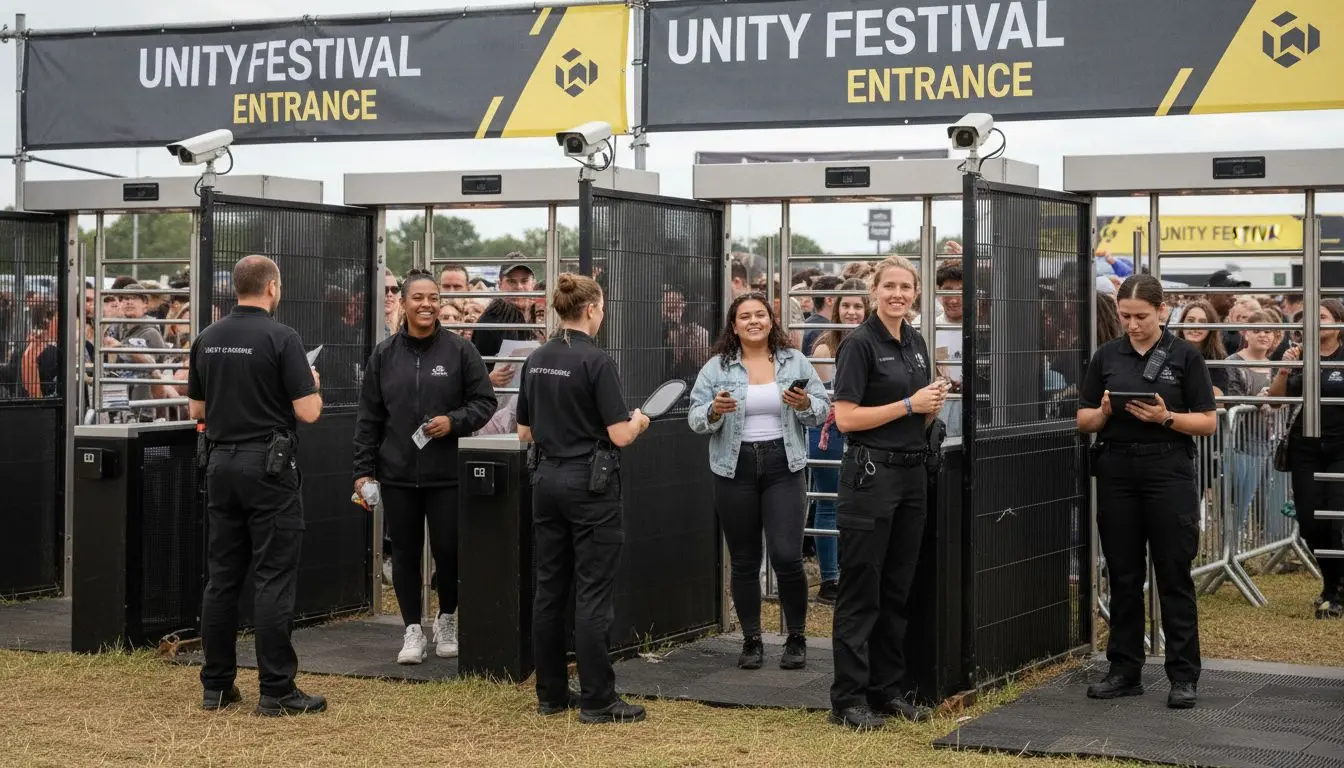
Over 30 million people attend public events in the UK each year, making safety a top concern for organisers and visitors alike. Ensuring a secure environment goes far beyond having visible guards on site. Event security now relies on a blend of professional expertise, advanced technology, and rigorous planning to keep everyone safe. Whether for a concert or a corporate function, understanding the scope and purpose of event security helps both hosts and guests enjoy peace of mind.
Table of Contents
- Event Security Defined: Purpose And Scope
- Types Of Event Security Services In The UK
- Key Roles And Responsibilities On Site
- Licensing, Legal Duties, And Compliance
- Risks, Challenges, And Best Practices
Key Takeaways
| Point | Details |
|---|---|
| Comprehensive Security Strategy | Event security involves a multi-layered approach to protect attendees and property, emphasizing proactive risk management and emergency planning. |
| Role of Trained Personnel | Security professionals must remain vigilant, understand crowd dynamics, and balance safety with attendee comfort to ensure a positive event experience. |
| Legal Compliance Necessities | All event security staff must obtain SIA licenses and adhere to legal requirements, including ongoing training and risk assessments. |
| Technological and Human Integration | Effective security combines advanced surveillance technologies with skilled personnel to adapt to potential threats and enhance public safety. |
Event Security Defined: Purpose And Scope
Event security represents a comprehensive approach to protecting people, property, and assets during public gatherings and organised events. According to Eventbrite, this critical practice involves implementing targeted measures designed to ensure the safety of attendees, staff, and organisational resources.
At its core, event security encompasses a multi-layered strategy that integrates several key components. As ICTS highlights, this approach includes trained personnel, advanced surveillance technologies, and specialised response protocols. The primary objectives are clear: manage crowd dynamics, control access points, and swiftly respond to potential security threats.
The scope of event security extends far beyond simple physical presence. Professionals in this field must conduct thorough risk assessments, develop comprehensive emergency response plans, and remain adaptable to changing circumstances. Key responsibilities typically include:
- Conducting pre-event venue security assessments
- Implementing robust access control mechanisms
- Managing crowd flow and preventing overcrowding
- Monitoring for suspicious activities
- Coordinating with local law enforcement when necessary
- Preparing rapid intervention strategies
Successful event security requires a proactive mindset. Security personnel must anticipate potential risks, remain vigilant, and create an environment where attendees feel protected without feeling overwhelmed by an intrusive security presence. The ultimate goal is to balance safety with an enjoyable, seamless event experience.
Types Of Event Security Services In The UK
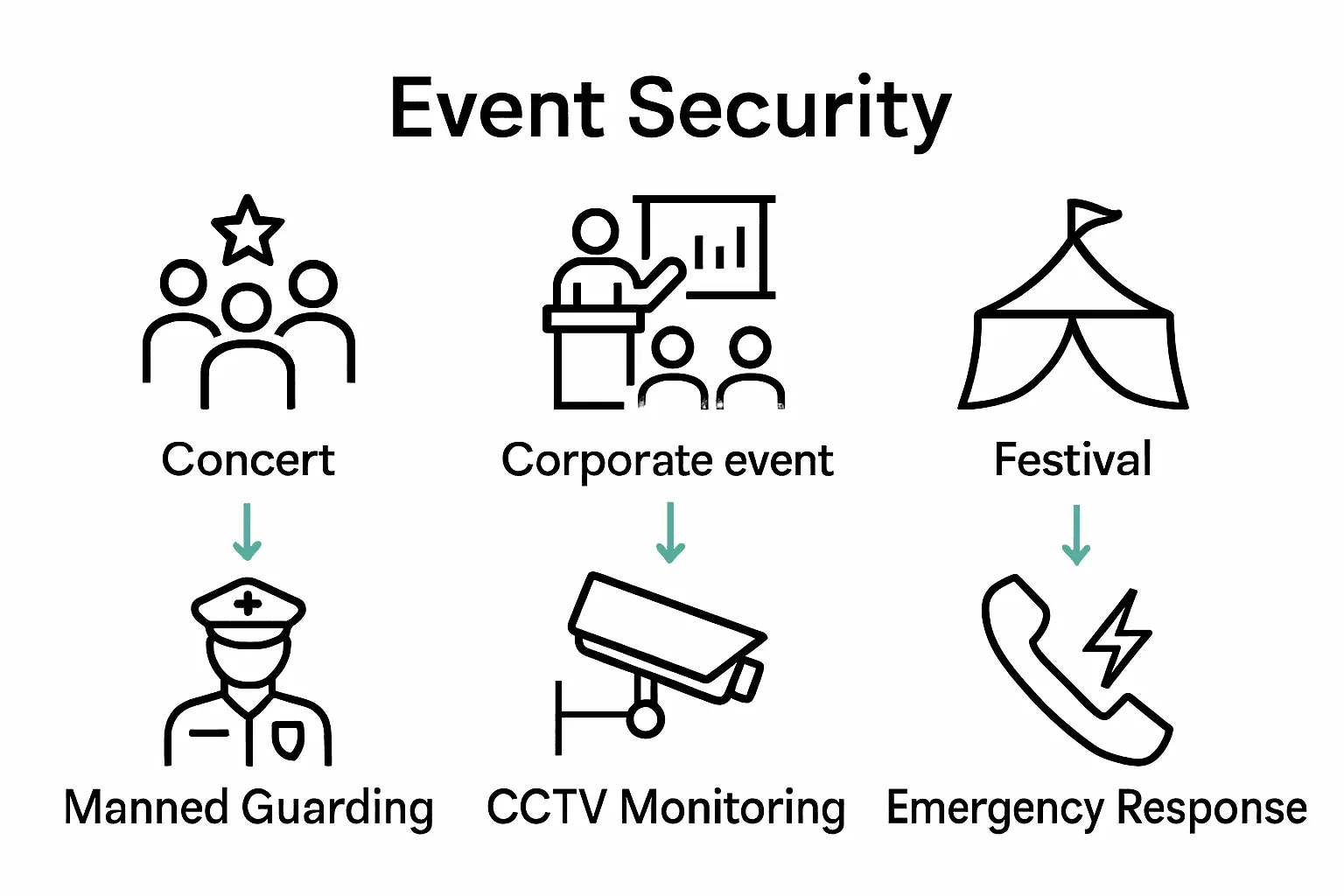
Event security services in the UK represent a sophisticated and comprehensive approach to protecting diverse gatherings and venues. According to CR2 Security, these services are meticulously tailored to address the unique security requirements of various event types, ranging from music festivals and corporate functions to public gatherings.
Security service types span a wide range of specialized interventions. As Alpha Omega UK highlights, these services encompass multiple critical domains including:
- Manned Guarding: Static security personnel stationed at strategic locations
- Door Supervision: Controlling entry and managing crowd interactions
- CCTV Monitoring: Real-time surveillance and threat detection
- Mobile Security: Flexible response teams that can rapidly move between locations
- Emergency Response: Rapid intervention and incident management protocols
Professional event security services go beyond mere physical presence.
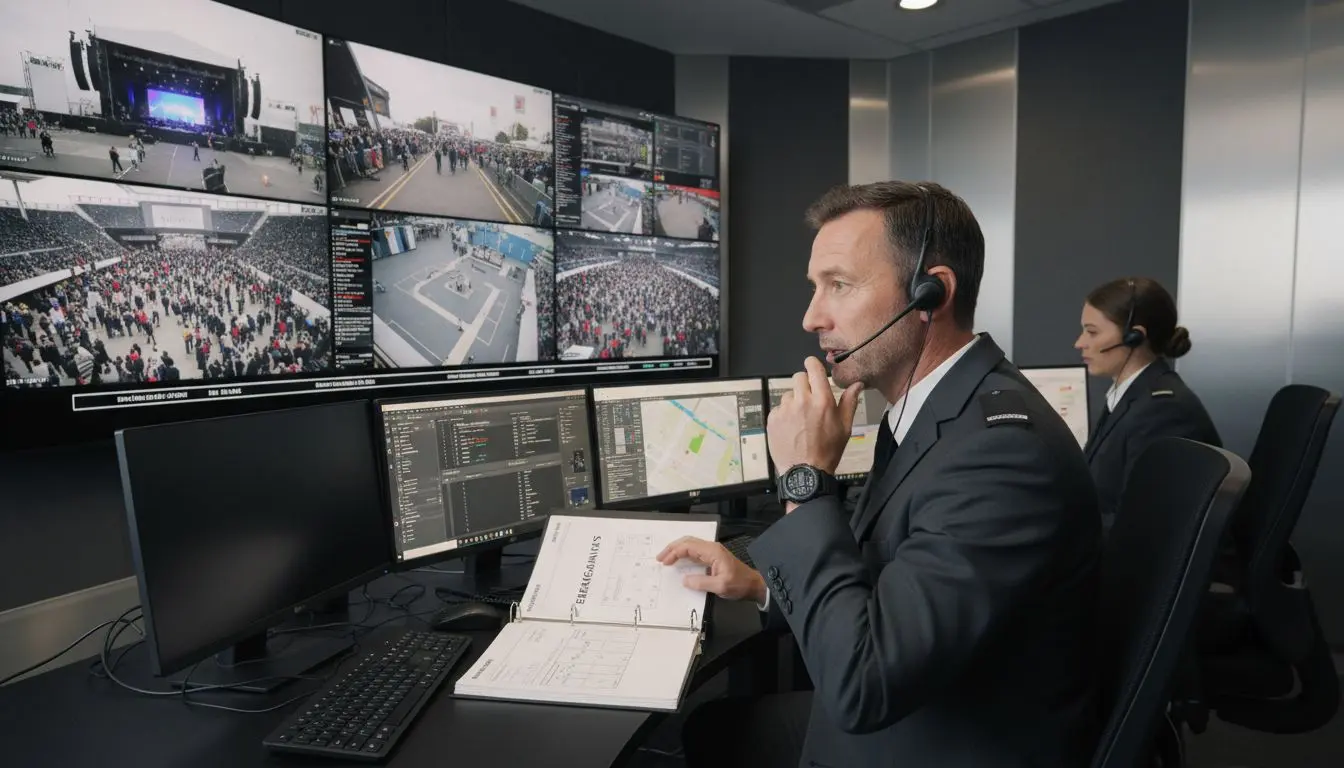 They involve complex risk assessments, strategic planning, and adaptive response mechanisms. Trained security professionals must understand crowd psychology, potential threat landscapes, and be prepared to implement swift, coordinated actions when required.
The most effective event security services integrate multiple layers of protection. This means combining human expertise with advanced technological solutions like surveillance systems, access control technologies, and real-time communication networks. The ultimate objective remains consistent: creating a safe, secure environment where event participants can focus on enjoying their experience without unnecessary concerns about potential risks.
To enhance your understanding of security roles, check out our guide on understanding the role of security guards.
Key Roles And Responsibilities On Site
Event security professionals play a critical role in maintaining safety and order during various gatherings. According to Eventbrite, on-site security personnel have multiple key responsibilities that extend far beyond simple monitoring, including verifying credentials, conducting bag searches, and managing crowd flow.
Core responsibilities encompass a comprehensive range of strategic interventions. As ICTS highlights, event security personnel must be prepared to implement sophisticated protocols that include:
- Entry Point Management: Controlling and monitoring all access locations
- Credential Verification: Systematically checking identification and permissions
- Bag Search Procedures: Conducting thorough yet respectful security screenings
- Crowd Flow Regulation: Preventing overcrowding and managing movement
- Emergency Response Coordination: Preparing for and responding to potential incidents
- VIP Protection: Ensuring the safety of high-profile attendees
Successful on-site security requires a multifaceted approach that blends vigilance with discretion. Security professionals must maintain constant situational awareness, anticipate potential risks, and respond swiftly to any emerging threats. This demands not just physical readiness, but also exceptional communication skills, emotional intelligence, and the ability to make rapid, informed decisions.
The most effective security personnel understand that their role is fundamentally about creating a sense of safety without generating anxiety.
They must balance professional alertness with a welcoming demeanor, ensuring event attendees feel protected yet comfortable. This delicate balance requires extensive training, psychological awareness, and a deep commitment to public safety.
To gain deeper insights into the broader security landscape, explore our guide on understanding the role of security guards.
Licensing, Legal Duties, And Compliance
Event security professionals in the UK operate within a stringent regulatory framework designed to ensure public safety and professional standards. According to Gov.uk, all event security personnel must obtain a mandatory license from the Security Industry Authority (SIA), which serves as a critical mechanism for maintaining industry-wide competence and accountability.
Legal compliance extends beyond simple licensing requirements. As Health and Safety Executive guidelines emphasize, event organizers and security professionals have comprehensive legal obligations that include:
- Conducting thorough risk assessments
- Implementing robust safety protocols
- Maintaining detailed documentation of security measures
- Ensuring continuous staff training and certification
- Adhering to health and safety regulations
- Protecting individual privacy rights
The licensing process itself is rigorous and multifaceted. Potential event security professionals must demonstrate not only physical capability but also a comprehensive understanding of legal responsibilities. This typically involves completing approved training courses, passing background checks, and maintaining ongoing professional development to keep their SIA license valid.
Moreover, legal compliance in event security is not a static concept but a dynamic, evolving responsibility. Security personnel must remain continuously updated about changing regulations, emerging security threats, and best practices. This requires a proactive approach to professional development, regular training, and a commitment to understanding the complex legal landscape that governs public safety.
To further understand the professional requirements in the security industry, explore our guide on understanding the role of security guards.
Risks, Challenges, And Best Practices
Event security professionals face a complex landscape of potential threats and operational challenges. According to Eventbrite, the primary challenges include managing large crowds, preventing unauthorized access, and developing robust emergency response strategies.
Risk management requires a comprehensive, multi-layered approach. As ICTS highlights, effective event security demands integrating multiple strategic elements:
- Crowd Dynamics Management: Understanding and controlling crowd movement
- Technological Surveillance: Leveraging advanced monitoring systems
- Personnel Training: Developing adaptive response capabilities
- Threat Assessment: Proactively identifying potential security risks
- Communication Protocols: Establishing clear emergency communication channels
- Coordinated Response Strategies: Preparing for multiple potential scenarios
Successful risk mitigation goes beyond reactive measures. Security professionals must develop anticipatory strategies that blend technological solutions with human expertise. This means continuously updating threat assessment models, conducting regular training scenarios, and maintaining flexible response mechanisms that can adapt to rapidly changing circumstances.
The most effective event security teams understand that preparedness is a dynamic process. They must balance technological interventions with human intuition, creating a holistic security approach that can respond to both predictable and unexpected challenges. This requires ongoing training, psychological awareness, and a commitment to continuous professional development.
To gain deeper insights into professional security roles, explore our guide on understanding the role of security guards.
Strengthen Your Event Security Career with Expert Support
Ensuring public safety at events is a complex challenge that demands skilled, licensed, and vigilant security professionals. Whether you want to master entry point management, crisis response, or crowd control, connecting with the right opportunities and employers is crucial to advancing your career in this fast-paced field. The risks and responsibilities highlighted in our guide make it clear that specialised roles require reliable recruitment channels that understand the nuances of event security.

Take control of your professional journey today by exploring targeted security roles on the Security Jobs Board. Our platform was designed specifically for UK security professionals seeking roles that match their skills and certifications. Create your profile, upload your CV, and get matched with event security jobs that value your expertise in maintaining safe, secure environments. Don’t wait until the next event to enhance your career. Visit Security Jobs Board now to find your next security role and step confidently into your future.
Frequently Asked Questions
What is the purpose of event security?
Event security aims to protect people, property, and assets during public gatherings by implementing measures that ensure the safety of attendees and staff while managing potential risks.
What are the key components of effective event security?
Effective event security includes trained personnel, advanced surveillance technologies, risk assessments, access control, crowd management, and emergency response protocols.
What types of security services are offered for events?
Event security services include manned guarding, door supervision, CCTV monitoring, mobile security teams, and emergency response strategies tailored to specific events.
What legal responsibilities do event security personnel have?
Event security personnel must comply with licensing requirements, conduct risk assessments, implement safety protocols, maintain documentation of security measures, and adhere to health and safety regulations.


