Event security job types in the UK: roles and career paths
TL;DR:
- Event security roles range from unlicensed stewarding to licensed specialist positions with varied responsibilities and pay.
- Gaining the SIA license and developing soft skills like communication boosts career progression and earning potential.
- Starting in stewarding provides valuable experience and opportunities to move into higher-level, specialist, or managerial roles.
Choosing the right event security job can feel overwhelming when you’re staring at a long list of unfamiliar titles. The UK security industry offers a genuinely wide spectrum of roles, from entry-level stewards managing crowd flow at festivals to specialist coordinators overseeing emergency response at major venues. Each path carries different requirements, rewards, and day-to-day realities. If you’re serious about building a career in event security, understanding the differences between these roles before you apply is one of the most practical steps you can take. This guide breaks down the key job types, compares your options clearly, and helps you decide which route fits your ambitions.
Table of Contents
- How to evaluate event security job types
- Core event security job types explained
- Specialist and advanced event security roles
- Comparing event security job types: which path suits you?
- What most jobseekers miss about event security careers
- Find your next event security job opportunity
- Frequently asked questions
Key Takeaways
| Point | Details |
|---|---|
| Many job types | Event security offers entry-level to advanced roles catering to varied interests and skillsets. |
| SIA licence importance | Most event security jobs in the UK require SIA licensing and strong soft skills. |
| Career progression mapped | Each job type offers clear paths for advancement, with additional qualifications boosting career prospects. |
| Compare before applying | Evaluating responsibilities, work environments and growth opportunities helps identify the ideal role. |
How to evaluate event security job types
Before you start sending off applications, it pays to know what you’re actually comparing. Not all event security roles are created equal, and the gap between a stewarding shift at a local venue and a crowd safety manager position at a national stadium is significant. Knowing which criteria matter most will sharpen your job search considerably.
Here are the main factors worth assessing for any event security role:
- Qualifications required: Does the role need an SIA (Security Industry Authority) licence, or is a basic first aid certificate enough?
- Typical duties: Are you managing access points, responding to incidents, or coordinating a team?
- Work environment: Indoor venues, outdoor festivals, sporting events, or a mix?
- Advancement prospects: Does this role lead somewhere, or is it a standalone position?
- Pay and contract type: Full-time, part-time, or zero-hours casual work?
The SIA licence is the cornerstone qualification for most licensed security work in the UK. Without it, your options are limited to unregulated stewarding roles. Getting licensed opens the door to higher-paid, more responsible positions and is widely considered the minimum standard for professional event security work.
When it comes to skills, communication, vigilance, and crisis management are consistently cited as essential for event security professionals. These aren’t just buzzwords on a job description. They’re the qualities employers test for during interviews and observe during probationary periods.
Pro Tip: Tailor your CV for each role type rather than sending a generic application. A stewarding role values customer service and crowd awareness, while a security officer position wants to see your SIA licence front and centre alongside any incident management experience.
Core event security job types explained
With criteria in mind, it’s time to explore the core event security job types you’ll encounter in the UK market. Security officers and stewards form the foundation of most event security teams, and understanding each role helps you position yourself effectively.
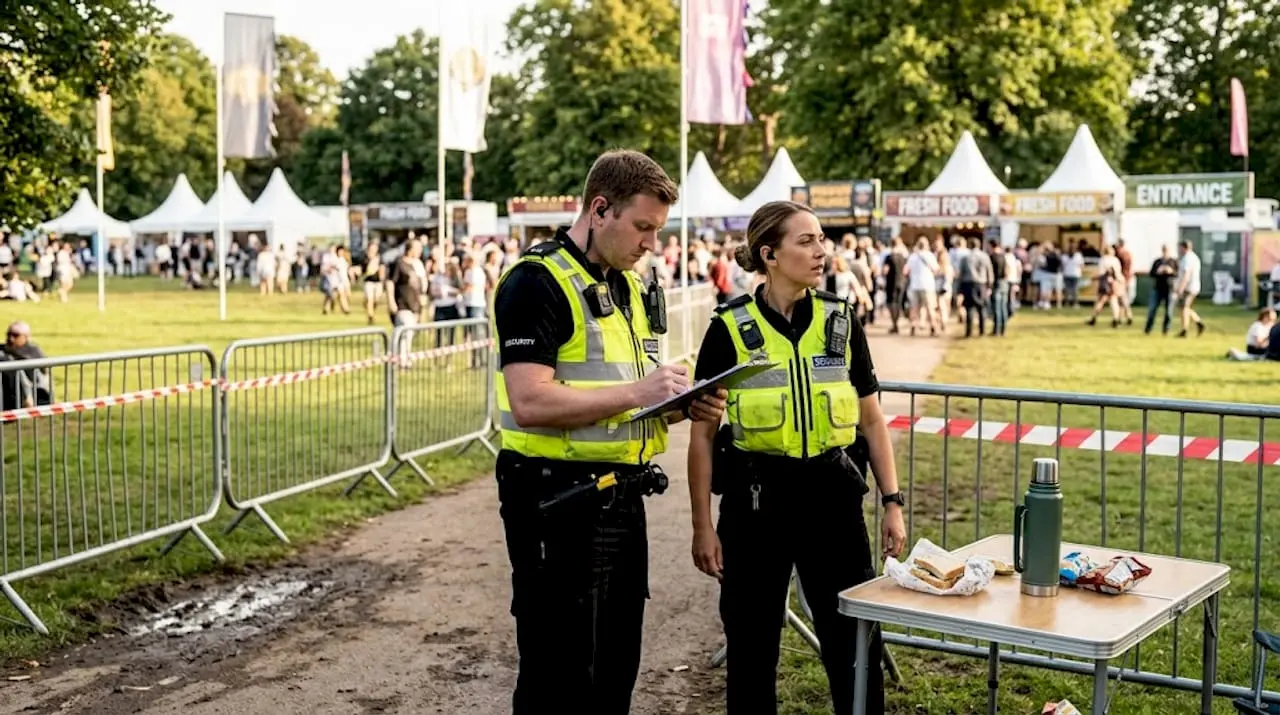
Security steward Stewards are often the first point of contact for event attendees. Their duties include checking tickets, directing crowds, and monitoring for disruptive behaviour. This role typically does not require an SIA licence, making it accessible for those new to the industry.
Pros: Low barrier to entry, flexible hours, great for building experience. Cons: Lower pay, limited authority in serious incidents, fewer progression routes without further training.
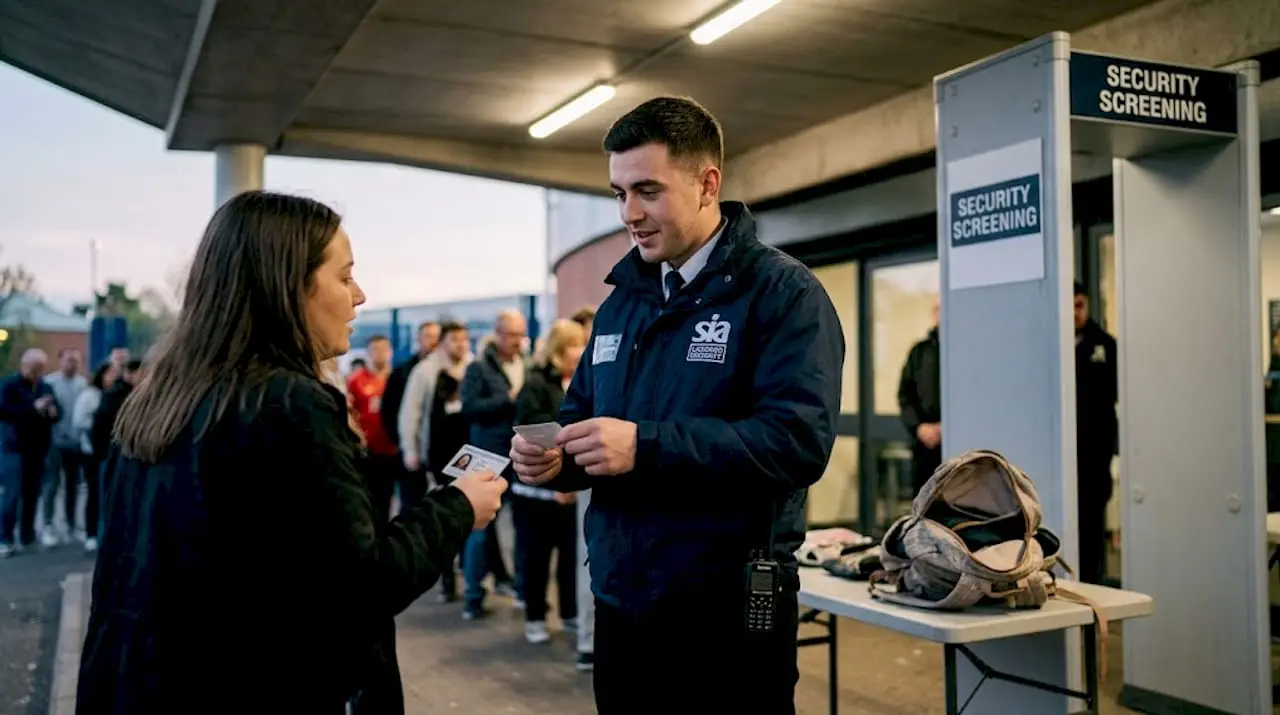
Event security officer This is a licensed role requiring a valid SIA Door Supervisor or Security Guard licence. Officers handle access control, respond to emergencies, conduct searches, and liaise with police when necessary. The responsibility level is noticeably higher.
Pros: Better pay, greater authority, more varied duties. Cons: Requires upfront investment in SIA licensing, higher-pressure environment.
Security supervisor or team leader Supervisors manage a team of officers and stewards during an event. They coordinate communication, handle escalated incidents, and report directly to the event security manager. Strong people management skills are essential here.
“The best supervisors aren’t just the most experienced officers. They’re the ones who can keep a team calm and focused when everything around them is unpredictable.”
The numbered progression most jobseekers follow looks like this:
- Start as a steward to gain event experience
- Obtain SIA licensing to qualify as a security officer
- Build incident management and leadership skills
- Apply for supervisor or team leader positions
For a broader look at the examples of security roles available across the industry, it’s worth exploring how event roles connect to wider security career paths.
Specialist and advanced event security roles
For jobseekers eager to branch out, several specialist and advanced roles offer rewarding career progression. These positions go beyond standard access control and crowd management, requiring specific training and often prior experience in demanding environments.
Specialist event security jobs often require experience in emergency response or logistics environments, which sets them apart from entry-level routes. Understanding an emergency evacuation overview is increasingly expected for roles that involve large-scale venue management.
Here’s a comparison of the most common specialist roles:
| Role | Required qualifications | Typical pay range | Advancement potential |
|---|---|---|---|
| Emergency response officer | SIA licence, first aid, fire safety training | £28,000 to £38,000 | Security manager, venue safety lead |
| VIP or close protection officer | SIA Close Protection licence, surveillance training | £35,000 to £60,000+ | Senior CP operative, team lead |
| Crowd safety manager | NVQ Level 3 or 4 in Spectator Safety, experience | £32,000 to £45,000 | Head of event security, consultant |
| Logistics security officer | SIA licence, logistics or transport background | £26,000 to £34,000 | Operations manager, security coordinator |
For a broader view of where these roles sit in the wider industry, the types of security roles guide provides useful context on how specialist positions relate to general security work.
Pro Tip: If you’re targeting specialist roles, certifications in areas like emergency first aid at work, conflict management, or spectator safety will set your application apart from candidates who only hold a basic SIA licence.
Comparing event security job types: which path suits you?
Now that you’ve explored both typical and specialist roles, let’s directly compare your options to find the best fit. Understanding core responsibilities and workplace differences is crucial for long-term satisfaction in event security roles, and a side-by-side view makes this much clearer.
| Job type | Key skills needed | Typical pay | Typical hours | Common employers |
|---|---|---|---|---|
| Security steward | Communication, crowd awareness | £11 to £14/hr | Casual, event-based | Venues, festivals, sports clubs |
| Event security officer | SIA licence, incident response | £13 to £18/hr | Shift-based, weekends | Security firms, venues, promoters |
| Security supervisor | Leadership, reporting, coordination | £18 to £24/hr | Mixed, including nights | Large venues, security contractors |
| Close protection officer | CP licence, surveillance, discretion | £25 to £40/hr | Variable, travel required | Private clients, agencies |
| Crowd safety manager | Spectator safety qualifications | £32,000 to £45,000 salary | Event-led, project-based | Stadiums, arenas, councils |
When deciding which path suits you, consider these key questions:
- Do you prefer working with people or managing logistics? Stewarding and officer roles are people-facing, while logistics security leans more operational.
- How much flexibility do you need? Entry-level roles offer the most casual contract options.
- Are you comfortable with confrontation? Officer and CP roles require confident, assertive responses to incidents.
- What’s your long-term goal? If management is the aim, supervisor and crowd safety routes offer the clearest progression.
- Are you willing to invest in training? Specialist roles reward upfront qualification investment with significantly higher pay.
Taking time to reflect on your own strengths honestly will save you from applying for roles that don’t suit your working style or personal circumstances.
What most jobseekers miss about event security careers
Most people approach event security job hunting by focusing almost entirely on qualifications and pay rates. That’s understandable, but it misses something important. The professionals who build genuinely satisfying careers in this field tend to be the ones who embraced variety early on and treated every event as a learning opportunity.
Job satisfaction in security often comes from opportunities to interact with people and adapt under pressure, and that’s something no job description fully captures. The officer who volunteers for a different type of event, the steward who asks to shadow a supervisor, the security guard who picks up a spectator safety qualification in their own time. These are the people who get promoted.
Employers increasingly value communication, resilience, and sound decision-making over a long list of certificates alone. The security industry is fast-moving. Events change, crowds behave unpredictably, and no two shifts are identical. The professionals who thrive are those who stay curious, keep developing their security soft skills, and don’t wait for their employer to hand them an opportunity. They create one.
If you’re new to the industry, don’t underestimate the value of starting in a steward role. It gives you real-world exposure that no classroom training can replicate.
Find your next event security job opportunity
Ready to take action? Here’s how you can discover and apply for event security roles that fit your ambitions.

The Security Jobs Board is built specifically for security professionals in the UK, which means every listing you see is relevant to your career. You won’t waste time filtering out unrelated results. Whether you’re looking for entry-level stewarding work, a licensed officer position, or a specialist role in crowd safety or close protection, the platform lets you set targeted job alerts so opportunities come to you. If you’re based in or around Northern Ireland, you can explore security jobs in Northern Ireland directly. Keep your profile updated with your current SIA licence status, certifications, and event experience to attract the right employers.
Frequently asked questions
What qualifications do I need for event security jobs in the UK?
Most roles require an SIA licence and relevant soft skills such as communication and observation. For stewarding roles, essential skills and licensing remain key even without full licensing requirements.
Which event security job types pay the highest salaries?
Close protection officers, security supervisors, and those with emergency or logistics expertise typically earn the most. Event security specialists and leaders have notably higher earning potential than entry-level roles.
Are there part-time or flexible event security jobs available?
Yes, stewarding and entry-level security jobs at events often offer flexible hours and casual contracts. Entry-level event security jobs can provide flexible work options that suit those balancing other commitments.
What is the typical progression path in event security?
A common path is from steward to officer, then supervisor or into specialist roles such as crowd safety or emergency response. Most security professionals progress by gaining experience across a range of event roles before specialising.
Is experience in logistics or emergency response valuable for event security jobs?
Experience in logistics or emergency response is highly valued, especially for specialist event and transport security roles. Specialist event security jobs often require candidates to demonstrate a background in these demanding environments.


