Duties of a security supervisor: 2026 career guide
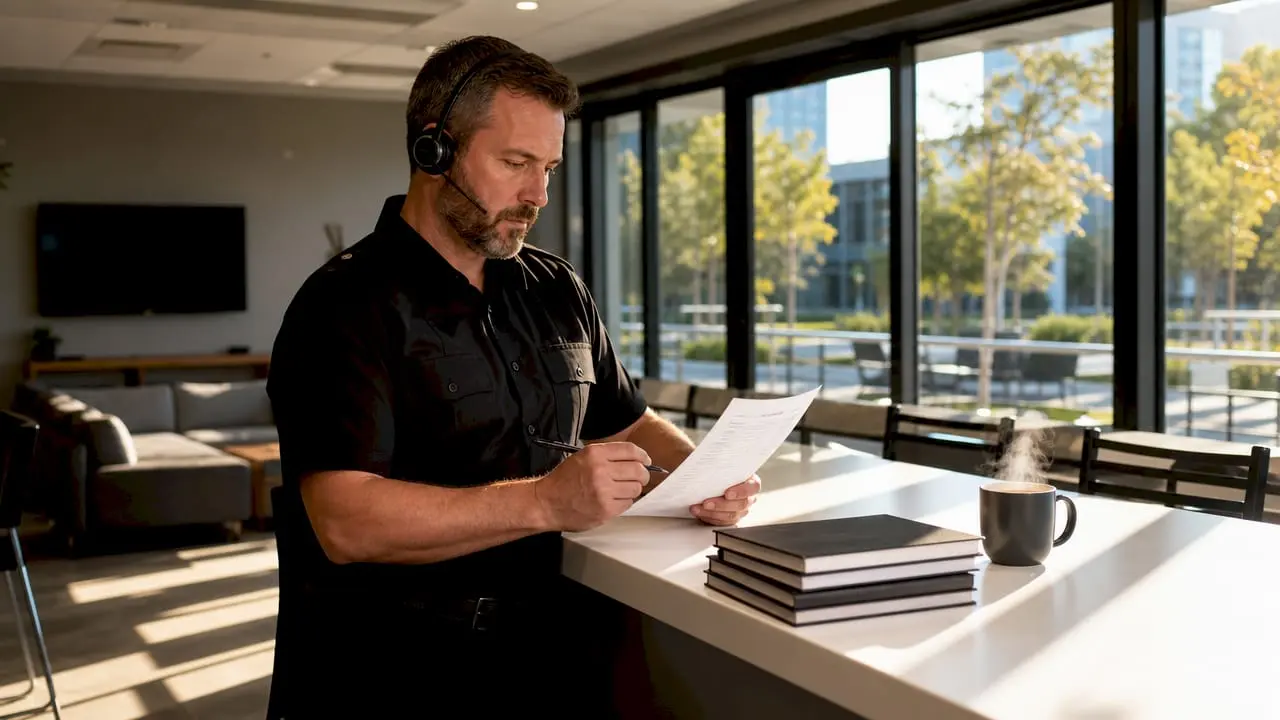
TL;DR:
- A security supervisor manages security teams, ensures site safety, and maintains regulatory compliance in the UK. They oversee operations, lead staff, and handle administrative tasks, including incident reporting and audits. Effective supervisors balance field responsibilities with administrative duties and develop strong leadership and communication skills.
A security supervisor is defined as the operational lead responsible for managing security personnel, overseeing site safety, and ensuring compliance with industry regulations. The duties of a security supervisor span three distinct areas: frontline operations, team leadership, and administrative compliance. Understanding these responsibilities is the foundation for anyone pursuing a supervisory role in the UK security sector. This guide breaks down each area in practical detail, so you know exactly what the job demands before you apply.
What are the key operational duties of a security supervisor?
The core operational duty of a security supervisor is managing 24/7 shift rotations and deploying personnel effectively across a site. Supervisors spend 1–2 hours daily on roll calls, briefings, and logbook checks. That daily rhythm sets the tone for every shift and directly affects how prepared the team is to respond to incidents.
Patrol management sits at the heart of daily operations. A supervisor does not simply assign patrols and walk away. They monitor patrol routes, verify that guards are covering designated areas, and adjust deployment when gaps appear. In a retail or logistics environment, this might mean redistributing personnel during peak footfall hours or after a reported theft.
Emergency response is another defining operational responsibility. Supervisors lead evacuations, coordinate with emergency services, and conduct regular drills to keep the team sharp. Proactive risk assessment reduces incidents before they escalate, which is why the best supervisors treat drills as genuine preparation rather than box-ticking exercises.
Technology use is now a standard part of the role. Supervisors monitor CCTV systems, manage alarm responses, and use digital patrol-logging tools. Familiarity with these systems is no longer optional. Candidates who arrive with hands-on experience of CCTV platforms or access control software hold a clear advantage.
Key operational duties at a glance:
- Managing shift schedules and personnel deployment across 24/7 operations
- Monitoring and adjusting patrol routes in real time
- Leading emergency response procedures and evacuation drills
- Overseeing CCTV, alarm systems, and digital patrol logs
- Conducting daily briefings and end-of-shift handovers
Pro Tip: Keep a personal log of every drill you lead and every incident you manage. This record becomes your strongest evidence of competence when applying for senior roles.
How does a security supervisor manage and lead their team?
Effective team leadership is the quality that separates a capable guard from a strong supervisor. Supervisors balance frontline monitoring with motivation, conflict resolution, and accountability to prevent complacency during long shifts. Complacency is the single biggest operational risk in security, and it is the supervisor’s job to counter it daily.
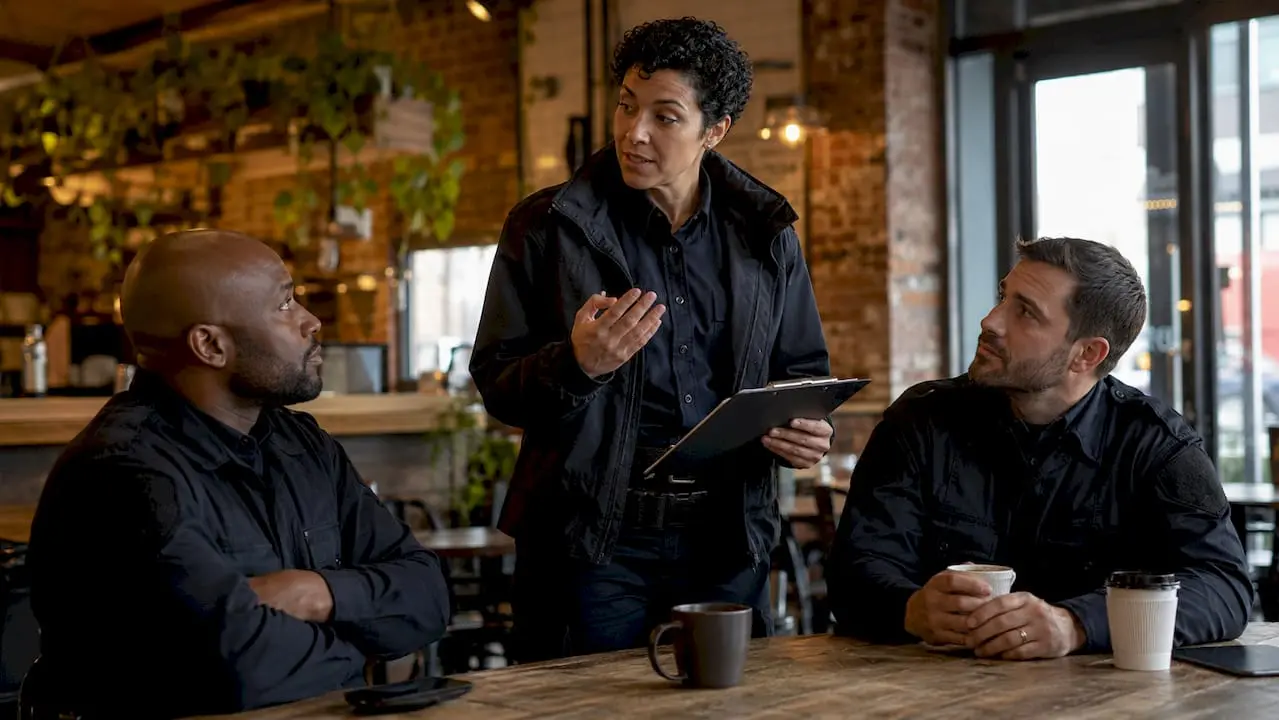
Training is a continuous responsibility, not a one-off induction task. Supervisors coach guards on protocols, conduct, and site-specific procedures. They also identify performance gaps and arrange targeted training. For practical guidance on structuring these sessions, security training frameworks offer a useful reference point for new supervisors building their approach.
Conflict management is one of the most demanding parts of the role. Handling conflicts requires balancing authority and diplomacy, whether the dispute is between two guards or between a guard and a member of the public. Supervisors who default to pure authority without diplomacy damage team morale. Those who avoid confrontation entirely lose credibility.
A structured approach to team management makes the difference between a reactive and a proactive supervisor:
- Hold daily briefings. Cover shift priorities, known risks, and any changes to deployment before the shift begins.
- Allocate duties fairly. Rotate assignments to prevent fatigue and reduce the risk of guards becoming too comfortable in one area.
- Address conduct issues promptly. Document every disciplinary conversation and follow your organisation’s formal procedures.
- Recognise good performance. Acknowledge guards who handle difficult situations well. Recognition costs nothing and builds loyalty.
- Conduct regular one-to-ones. Brief individual check-ins reveal problems before they become incidents.
Pro Tip: When a conflict arises between guards, speak to each person separately before bringing them together. This prevents defensiveness and gives you a clearer picture of the actual issue.
What administrative and compliance responsibilities does a security supervisor handle?
Administrative work accounts for a significant portion of a supervisor’s week. Modern supervisors spend 30–50% of their time on compliance audits, log reviews, and staff performance records. This surprises many new supervisors who expect the role to be primarily fieldwork. The paperwork is not a distraction from the job. It is part of the job.
Incident reporting is the most legally significant administrative task. Incident reports must detail who, what, when, where, and how with objective clarity, because they are frequently the sole legal evidence in insurance claims or court proceedings. Vague or incomplete reports create liability for both the supervisor and the employer. Supervisors who treat report writing as a formality put their organisation at serious risk.
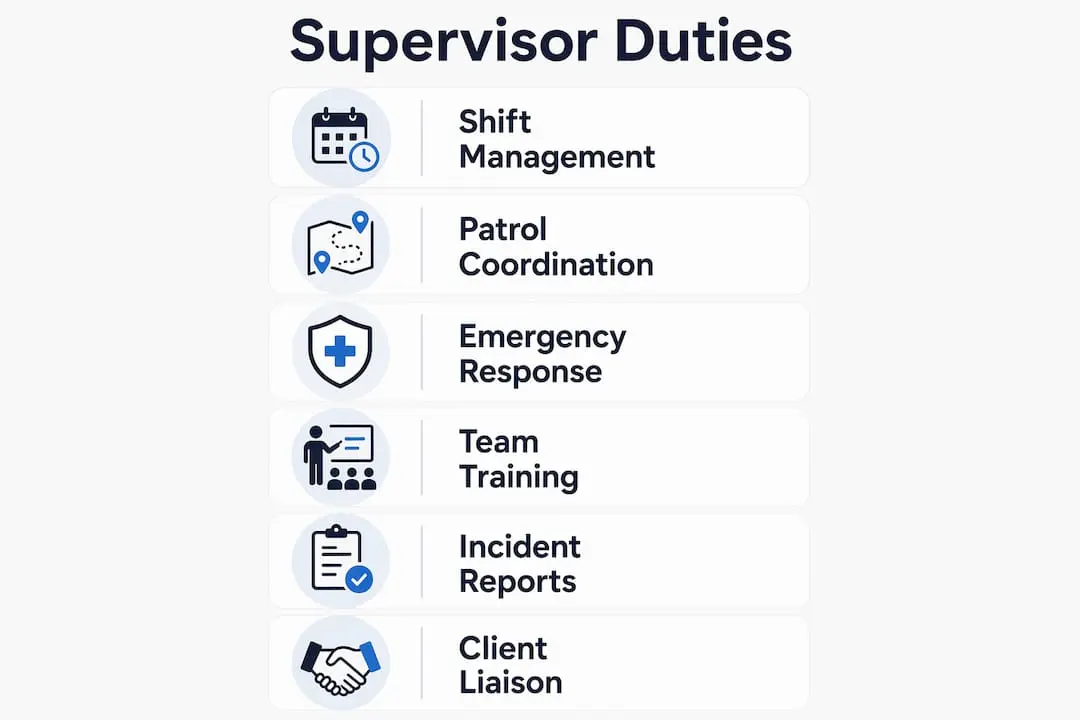
Compliance with the Security Industry Authority (SIA) licensing requirements, Standard Operating Procedures (SOPs), and health and safety legislation is non-negotiable. Supervisors dedicate 2–4 hours daily to regulatory compliance and SOP enforcement. Surprise audits and SOP checks are part of this routine. A supervisor who cannot demonstrate compliance during an audit exposes the company to significant penalties.
Client liaison is the third pillar of administrative responsibility. Security supervisors serve as the main contact for clients and property managers, handling incident communications and recommending security improvements. This client-facing dimension requires clear written and verbal communication skills, not just operational knowledge.
| Administrative area | Core responsibility |
|---|---|
| Incident reporting | Objective, detailed logs for legal and insurance use |
| SIA and SOP compliance | Daily enforcement and regular audit checks |
| Staff performance records | Documented appraisals and disciplinary records |
| Client communication | Incident updates and security improvement recommendations |
| Health and safety | Compliance with UK workplace safety legislation |
The importance of accurate incident reporting cannot be overstated. Supervisors who invest time in clear, factual documentation protect themselves, their team, and their employer.
What skills and qualities make an effective security supervisor?
Technical knowledge alone does not make a strong supervisor. The role demands a specific combination of leadership, communication, and organisational skills that take time and deliberate effort to develop.
Translating complex policies into clear instructions requires high emotional intelligence and communication ability. A supervisor who cannot explain a new SOP in plain language will find that guards either ignore it or apply it inconsistently. Both outcomes create risk.
The qualities that employers consistently seek in supervisory candidates include:
- Leadership and accountability. The ability to take ownership of team performance and outcomes, not just individual tasks.
- Communication skills. Clear verbal briefings, precise written reports, and professional client interactions.
- Conflict resolution. The capacity to de-escalate situations involving guards, clients, or members of the public without losing authority.
- Risk assessment. The habit of identifying vulnerabilities before incidents occur, rather than responding after the fact.
- Digital literacy. Confidence with CCTV platforms, access control systems, and digital reporting tools.
- Stress and time management. The ability to prioritise competing demands during high-pressure situations without losing focus.
For a detailed breakdown of what employers look for when hiring, the qualities employers seek in security staff guide provides a practical reference. Candidates who understand these expectations before applying are significantly better prepared for both the interview and the role itself.
Transitioning from guard to supervisor is a significant career milestone. It involves a fundamental shift from executing instructions to giving them, and from individual accountability to team accountability. The skills required for that shift are learnable, but they require conscious development rather than simply accumulating years of service.
Key takeaways
The duties of a security supervisor require equal competence in operational management, team leadership, and administrative compliance, and candidates who underestimate any one of these three areas will struggle in the role.
| Point | Details |
|---|---|
| Operational oversight | Supervisors manage shift scheduling, patrols, and emergency response across 24/7 operations. |
| Team leadership | Effective supervisors train, motivate, and manage conflict within their team daily. |
| Administrative compliance | Up to half of a supervisor’s time goes on reports, audits, and SOP enforcement. |
| Incident documentation | Reports must be objective and detailed, as they serve as legal evidence. |
| Skills development | Leadership, communication, and digital literacy are all required for career progression. |
What I have learned from watching supervisors succeed and fail
The biggest mistake I see from new supervisors is treating administration as secondary to fieldwork. They spend their energy on patrols and briefings, then rush through incident reports at the end of a shift. That approach catches up with them quickly, usually during an audit or a legal dispute where the documentation falls apart under scrutiny.
The supervisors who progress fastest are the ones who understand that paperwork is protection. A well-written incident report is not bureaucracy. It is the difference between a company defending a claim successfully and settling out of court.
The other pattern I have noticed is that new supervisors often struggle with the authority shift. They were well-liked as guards, and they do not want to damage those relationships by enforcing discipline. The result is inconsistency, which is far more damaging to team morale than firm, fair enforcement. Guards respect supervisors who apply the rules consistently. They lose respect for supervisors who apply them selectively.
The roles and responsibilities of a security supervisor are genuinely demanding. But the candidates who prepare thoroughly, who understand both the operational and administrative dimensions of the role, are the ones who make the transition look natural.
— Rob
Security supervisor roles available on Securityjobsboard
Securityjobsboard connects security professionals across the UK with employers who are actively hiring. If you are ready to move into a supervisory position, the platform makes it straightforward to find relevant vacancies, set up job alerts, and apply directly.

Candidates pursuing supervisory roles can browse security jobs in Northern Ireland and across the wider UK through Securityjobsboard. The platform is free to use, GDPR-compliant, and affiliated with the BSIA, which means the listings are from verified employers in the sector. Upload your CV, set your preferences, and let the right opportunity come to you.
FAQ
What are the main duties of a security supervisor?
A security supervisor manages shift scheduling, personnel deployment, patrol monitoring, incident response, and compliance with SIA licensing and SOPs. The role also includes team training, incident report writing, and client communication.
How many hours does a security supervisor spend on administration?
Supervisors typically spend 30–50% of their working time on administrative tasks including compliance audits, incident logs, and staff performance records.
What qualifications does a security supervisor need in the UK?
Most employers require an SIA Door Supervisor or Security Guard licence, at least one year of frontline security experience, and often a relevant supervisory qualification such as an NVQ Level 3 in Security Supervision.
Why is incident reporting so important for security supervisors?
Incident reports are frequently the sole legal evidence in insurance claims or court proceedings. Poorly written reports create liability for both the supervisor and the employer.
What is the difference between a security guard and a security supervisor?
A security guard executes assigned duties on site. A security supervisor manages the team, oversees operations, enforces compliance, and acts as the primary contact for clients and management.


