Importance of security checks: a UK guide for 2026

TL;DR:
- Security checks are proactive assessments of physical, digital, and personnel vulnerabilities necessary for UK compliance and safety. Regular, well-documented inspections improve risk management and regulatory adherence in high-risk industries. Cultivating a security culture emphasizes understanding over fault-finding, leading to genuine organizational improvement.
Security checks are proactive risk assessments designed to identify vulnerabilities before they cause harm, financial loss, or regulatory failure. For UK organisations, they sit at the heart of safety compliance, risk management, and responsible hiring. Whether you run a retail site in Manchester, manage a data centre in London, or recruit security personnel across the country, understanding why security checks matter is not optional. The Health and Safety at Work Act 1974 and subsequent UK regulations place a legal duty on employers to assess and control risk. Security checks are the practical mechanism through which that duty is fulfilled.
What is the importance of security checks across physical, digital, and personnel domains?
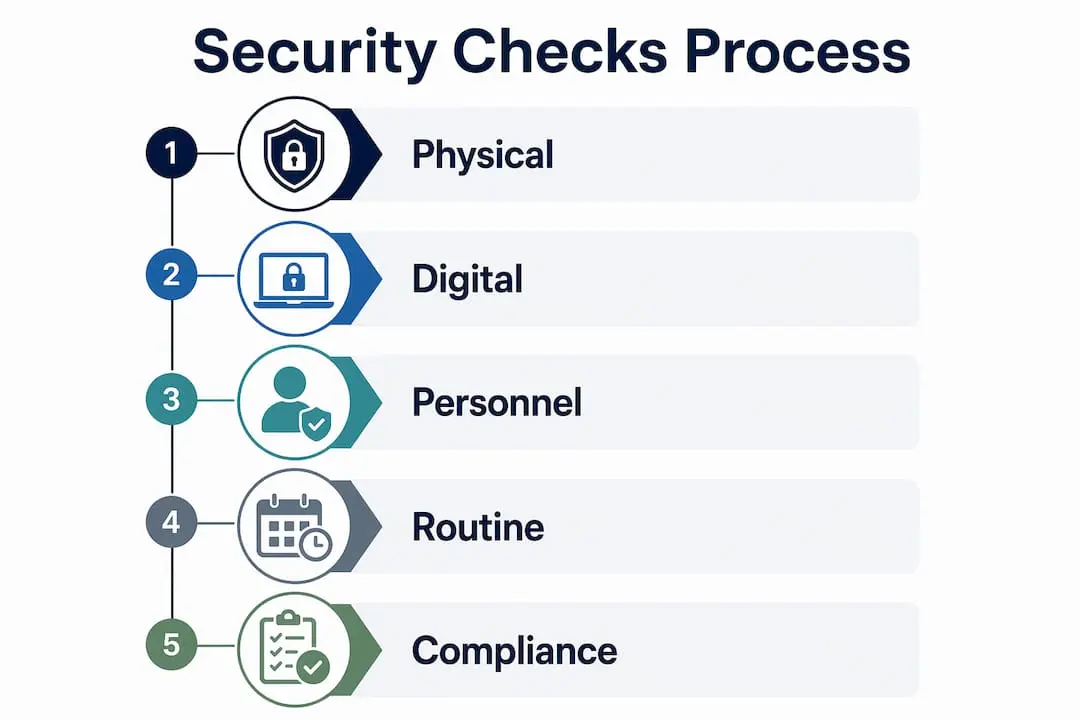
Security checks span three distinct domains: physical inspections, digital audits, and personnel vetting. Each targets a different category of risk, and each produces different evidence. Together, they form a layered defence that no single control can replicate alone.
Physical security inspections
Physical inspections assess hardware, access points, and site behaviours. A trained inspector will examine locks, CCTV coverage, lighting, perimeter fencing, and alarm systems. Critically, physical penetration tests must be authorised, scoped, and controlled to produce reliable, usable evidence. That means a documented scope, a named authorising officer, and a clear remediation brief. Without those controls, a physical test tells you very little about real-world effectiveness.
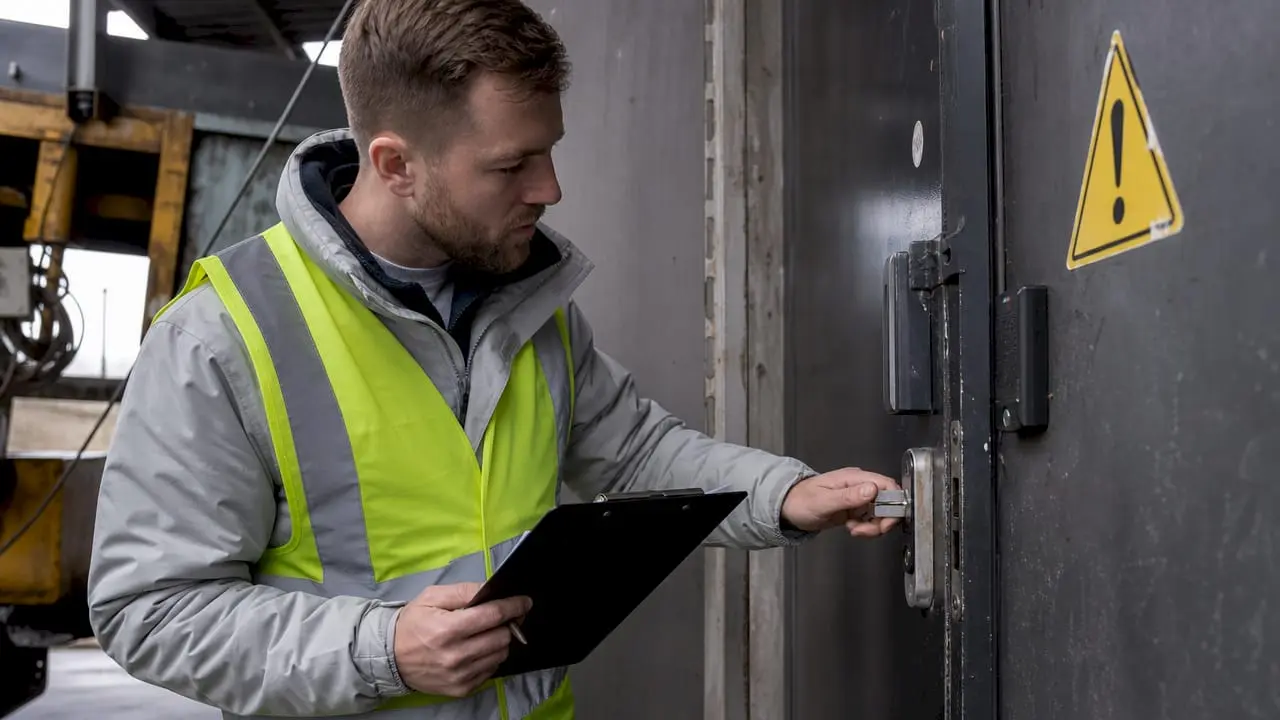
Access control management and visitor workflows represent the largest gap beyond physical hardware. Credential management failures, such as shared PIN codes or unescorted visitors, create vulnerabilities that no lock upgrade will fix. Physical inspections must therefore assess people and procedures alongside technology.
Digital security audits
A digital security audit examines your network configuration, software patch status, SSL/TLS certificates, and data access controls. Automated website security checkers can detect multiple critical sensitive file exposures in under 30 seconds. That speed matters because manual checks simply cannot match the scope of an automated scan across a live environment. Automated tools should complement, not replace, human review of findings.
Ongoing digital monitoring prevents browser warnings, blacklisting, and reduced search visibility caused by lapsed certificates or outdated trust signals. A “set and forget” approach to digital security is one of the most common and costly mistakes UK organisations make.
Personnel vetting and background checks
Personnel vetting confirms that the people you hire are who they claim to be. In the UK security sector, this typically includes a Disclosure and Barring Service (DBS) check, right-to-work verification, employment history confirmation, and reference checks. The security recruitment process should embed these checks at the offer stage, not as an afterthought. A single unvetted hire in a sensitive role can expose an organisation to liability that far outweighs the cost of thorough screening.
| Type | Focus area | Primary outcome |
|---|---|---|
| Physical inspection | Hardware, access points, site behaviour | Identifies physical vulnerabilities and procedural gaps |
| Digital security audit | Network, software, certificates, data access | Detects configuration flaws and exposure risks |
| Personnel vetting | Identity, history, credentials, references | Confirms trustworthiness and legal eligibility |
Pro Tip: Combine all three check types on a shared schedule. A physical inspection that reveals tailgating behaviour, for example, should trigger a review of your access credential management at the same time.
How do regular security checks improve safety and compliance?
The evidence for routine inspections is clear. Workplace inspections reduce injuries and improve regulatory compliance significantly in high-risk industries, according to a meta-analytic update combining six systematic reviews and 30 observational studies covering the period 2017–2024. That body of evidence spans manufacturing, logistics, healthcare, and security environments. The implication is direct: organisations that inspect regularly get hurt less and stay compliant longer.
UK regulatory frameworks reinforce this finding. The Management of Health and Safety at Work Regulations 1999 require employers to conduct suitable and sufficient risk assessments and to review them when circumstances change. Security checks are the operational expression of that requirement. They translate a legal obligation into a documented, repeatable process.
The compliance benefits of routine security checks include:
- Demonstrating due diligence to the Health and Safety Executive (HSE) during inspections or investigations
- Maintaining ISO 27001 alignment for information security management
- Meeting the requirements of the Security Industry Authority (SIA) licensing framework for security personnel
- Reducing insurance premiums by evidencing active risk management
- Protecting against data protection breaches under the UK GDPR
Each benefit compounds over time. An organisation with three years of documented inspection records is in a fundamentally stronger legal and reputational position than one that inspects only when prompted by an incident.
What common mistakes undermine the effectiveness of security checks?
The most damaging misconception about security inspections is that they are fault-finding exercises. Security inspections are understanding missions that proactively identify issues, not punitive reviews designed to catch staff out. When employees perceive inspections as blame-driven, they hide problems rather than report them. That cultural failure defeats the entire purpose of the process.
Security audits are most effective when treated as continuous rhythms rather than annual, static events. Experienced managers monitor real behaviours, not just paper policies, and they pay particular attention to periods of operational pressure. A product launch, a seasonal peak, or a staffing shortage are exactly the moments when security protocols get bypassed. Annual-only audits will never capture those moments.
Common pitfalls that reduce the value of security checks include:
- Conducting checks only after an incident rather than on a fixed schedule
- Relying on hardware controls such as cameras and locks without assessing the behaviours around them
- Failing to document findings and remediation actions in a format that can be reviewed later
- Treating digital certificates and access credentials as permanent rather than time-limited
- Excluding temporary staff, contractors, and visitors from the scope of personnel checks
Pro Tip: Schedule at least one unannounced inspection per quarter. Announced inspections reveal what your organisation looks like when it is prepared. Unannounced inspections reveal what it looks like the rest of the time.
How to conduct security checks effectively in 2026
Effective security checks follow a structured cycle, not a one-off event. The steps below apply whether you are running an internal review or commissioning an external consultant.
- Define the scope. Specify which sites, systems, and personnel categories the check will cover. A vague scope produces vague findings.
- Assign responsibility. Name the person or team accountable for each check type. Physical inspections, digital audits, and personnel vetting each require different skills.
- Run the inspection or audit. Use automated tools for digital scans and trained personnel for physical walkthroughs. Security training programmes should prepare your team to conduct inspections consistently and objectively.
- Document all findings. Record every issue, its severity, and its location. A finding without documentation does not exist in a legal or compliance context.
- Build a remediation plan. Small businesses benefit from a 90-day remediation cycle following an internal audit. That timeframe is long enough to address structural issues but short enough to maintain momentum.
- Verify remediation. Return to each finding and confirm the fix is in place. A closed finding without verification is an assumption, not a result.
- Schedule the next cycle. Set the date for the next inspection before you close the current one. Continuity is the difference between a security programme and a one-off exercise.
For digital checks, automated scanning tools can handle preliminary exposure detection rapidly. Human review of the output is still required to prioritise findings and plan fixes. For personnel checks, the security consulting process can help organisations design vetting frameworks that meet both regulatory requirements and operational needs.
Key takeaways
Security checks are the primary mechanism through which UK organisations meet their legal duty to assess risk, protect people, and maintain compliance across physical, digital, and personnel domains.
| Point | Details |
|---|---|
| Three check types matter | Physical inspections, digital audits, and personnel vetting each address distinct risks and must work together. |
| Evidence supports routine checks | Meta-analytic research confirms that regular workplace inspections reduce injuries and improve compliance in high-risk industries. |
| Culture determines effectiveness | Inspections framed as understanding missions, not fault-finding, produce honest findings and genuine improvement. |
| Continuous beats annual | Treating security audits as ongoing rhythms, especially during operational peaks, catches real behaviours that annual checks miss. |
| Document and remediate | Every finding needs a written record and a verified fix. A 90-day remediation cycle is a proven best-practice timeframe. |
Security checks need culture, not just calendars
I have spent years watching organisations invest in security hardware and then wonder why incidents still happen. The answer is almost always the same. The cameras were installed, the locks were upgraded, and the audit was filed. But nobody changed how people thought about security day to day.
The most effective security programmes I have seen treat checks as a form of organisational learning. When a physical inspection finds a propped-open fire door, the useful question is not “who did this?” but “why does this keep happening?” That shift in framing changes everything. Staff start reporting near-misses. Managers start noticing patterns. The inspection becomes a conversation rather than a compliance exercise.
The 2026 environment adds pressure that earlier frameworks did not anticipate. Hybrid working has blurred the perimeter. Contractor workforces have grown. Digital supply chains have multiplied the attack surface. None of those changes make security checks less important. They make the cultural commitment to continuous checking more important than ever. A quarterly inspection schedule with genuine follow-through will always outperform an annual audit that sits in a folder until the next incident.
— Rob
Security careers built on the skills that checks demand

The skills required to conduct, manage, and act on security checks are among the most valued in the UK security sector right now. Employers are actively seeking professionals who understand physical inspection methodology, digital audit processes, and personnel vetting frameworks. Securityjobsboard connects UK security professionals with employers who need exactly those skills, from site security roles in Northern Ireland to specialist audit positions across England, Scotland, and Wales. Whether you are looking to build a security career or find qualified candidates who understand compliance and risk, Securityjobsboard offers the focused platform the UK security sector needs. Browse security jobs in Northern Ireland and across the UK at Securityjobsboard.
FAQ
What are security checks in the UK context?
Security checks are structured assessments of physical sites, digital systems, and personnel that identify vulnerabilities and verify compliance with UK regulatory requirements. They include physical inspections, digital audits, and background vetting processes.
How often should organisations conduct security checks?
Organisations should treat security checks as continuous routines rather than annual events. A minimum of quarterly physical inspections, ongoing digital monitoring, and annual personnel re-vetting is considered best practice in 2026.
What does a security audit involve for a small business?
A small business security audit typically covers physical access controls, digital exposure, and staff vetting. Best practice recommends allocating around half a day to the audit itself, followed by a structured 90-day remediation plan.
Why do security checks matter for hiring in the security sector?
Personnel vetting confirms identity, employment history, and legal eligibility to work in security roles. In the UK, this includes DBS checks and SIA licence verification, both of which are legal requirements for many security positions.
What is the difference between a security inspection and a security audit?
A security inspection focuses on physical conditions and observable behaviours at a specific site. A security audit is broader, covering policies, procedures, digital systems, and documentation to assess overall security governance.


