Security Screening: Crucial Checks for UK Security Roles

Over 80 percent of British employers consider security screening a top priority when hiring for sensitive roles. With rising concerns about data breaches and insider threats, understanding what security screening truly means in the United Kingdom has never been more important. This guide breaks down the step-by-step process, highlights legal requirements, and uncovers how British standards help ensure both public safety and organizational integrity.
Table of Contents
- What Security Screening Means in the UK
- Different Types of Security Screening Checks
- Legal Standards and SIA Licensing Requirements
- Employer Duties and Confidentiality Practices
- Common Screening Mistakes and How to Avoid Them
Key Takeaways
| Point | Details |
|---|---|
| Comprehensive Security Screening | Security screening in the UK involves multiple layers of checks to ensure only trustworthy individuals are permitted in sensitive roles. This includes identity verification, criminal record checks, and legal eligibility confirmations. |
| Types of Security Checks | The UK employs three levels of screening—Counter-Terrorist Check (CTC), Security Check (SC), and Developed Vetting (DV)—varying in depth according to the security role’s requirements. |
| Legal Standards by SIA | The Security Industry Authority (SIA) oversees licensing, requiring rigorous background checks, mandatory training, and ongoing professional development for security professionals to maintain industry standards. |
| Employer Responsibilities | Security employers must ensure thorough licence verification, continuous training, and robust confidentiality practices to uphold public safety and operational integrity. |
What Security Screening Means in the UK
Security screening represents a comprehensive process of background verification specifically designed to assess an individual’s suitability for sensitive security roles within the United Kingdom. In practice, this involves multiple layers of checks that examine an applicant’s personal history, professional credentials, and legal eligibility to work in security positions. The primary objective is to protect organisations, assets, and critical infrastructure by ensuring only trustworthy individuals gain access to potentially sensitive environments.
In the UK, security screening typically encompasses several critical components. These comprehensive checks involve verifying an individual’s identity, conducting thorough criminal record investigations, and confirming their legal right to work. The Security Industry Authority (SIA) plays a pivotal role in regulating these processes, mandating specific licensing requirements for professional security personnel. Employers must adhere to stringent verification protocols that go beyond simple background checks, often requiring candidates to demonstrate continuous professional competence and personal integrity.
The depth of security screening varies significantly depending on the specific role and potential access level. National Security Vetting represents the most rigorous form of screening, particularly for positions involving classified information or high-risk environments. These advanced screening procedures evaluate an individual’s background through multiple lenses including:
- Personal history and residency verification
- Criminal record comprehensive review
- Professional credential authentication
- Reference and employment history validation
- Potential psychological and reliability assessments
For security professionals, understanding these screening requirements is not just a bureaucratic exercise but a fundamental aspect of maintaining the highest standards of professional integrity and national safety. Successful candidates must be prepared to demonstrate transparency, provide extensive documentation, and maintain an unblemished personal and professional record.
Different Types of Security Screening Checks
Security screening in the United Kingdom encompasses multiple distinct check types, each designed to assess an individual’s suitability for specific security roles and access levels. These screening processes range from basic verifications to highly sophisticated background investigations that provide comprehensive insights into an individual’s professional and personal history.
Security screening checks administered by the Security Industry Authority (SIA) typically involve several fundamental verification processes. These include rigorous identity confirmation, thorough criminal record assessments, legal work eligibility validation, and, where appropriate, professional qualification examinations. The depth and complexity of these checks directly correlate with the sensitivity and strategic importance of the prospective security role.
The UK government recognises three primary levels of security screening, each progressively more intricate and demanding:
- Counter-Terrorist Check (CTC)
- Entry-level screening
- Basic background investigation
- Suitable for lower-risk security positions
- Security Check (SC)
- More comprehensive investigation
- Deeper examination of personal and professional history
- Required for roles with increased access to sensitive information
- Developed Vetting (DV)
- Most extensive screening process
- Advanced background investigation involving detailed personal interviews
- Mandatory for roles with potential access to highly classified national security information
Successful navigation of these screening processes requires candidates to demonstrate transparency, provide comprehensive documentation, and maintain an impeccable personal and professional reputation. Security organisations seek individuals who not only meet technical criteria but also embody the highest standards of integrity and trustworthiness.
Legal Standards and SIA Licensing Requirements
The legal framework governing security professionals in the United Kingdom represents a comprehensive system designed to ensure public safety, professional competence, and industry integrity. The Private Security Industry Act 2001 established the foundational legal mandate requiring individuals performing specific security roles to obtain mandatory licensing, thereby creating a robust mechanism for maintaining high professional standards across the security sector.

The Security Industry Authority (SIA) serves as the primary regulatory body responsible for implementing and enforcing these critical licensing requirements. Potential security professionals must navigate a structured pathway that involves demonstrating specific qualifications, undergoing rigorous background checks, and completing mandatory training programmes. These requirements are not merely bureaucratic exercises but essential safeguards designed to protect both the public and the professional integrity of the security industry.
Key licensing requirements typically encompass several critical elements:
- Mandatory Training Certification
- Criminal record background checks
- Proof of legal right to work in the United Kingdom
- Specific role-based qualifications
- Continuous professional development
The comprehensive licensing criteria established by regulatory authorities ensure that security professionals possess not just technical skills, but also the ethical understanding and professional competence necessary to perform their duties effectively. Each security role category maintains distinct licensing standards, reflecting the nuanced responsibilities and potential risks associated with different security positions.
Navigation of these legal standards requires meticulous attention to detail, proactive professional development, and a commitment to maintaining the highest levels of personal and professional conduct. Security professionals must view licensing not as a bureaucratic hurdle, but as a fundamental commitment to public safety and professional excellence.
Employer Duties and Confidentiality Practices
Employers in the security sector bear significant legal and ethical responsibilities that extend far beyond standard employment practices. Comprehensive guidance for security service providers mandates that organisations must meticulously manage their personnel’s licensing, training, and professional conduct to ensure the highest standards of public safety and operational integrity.
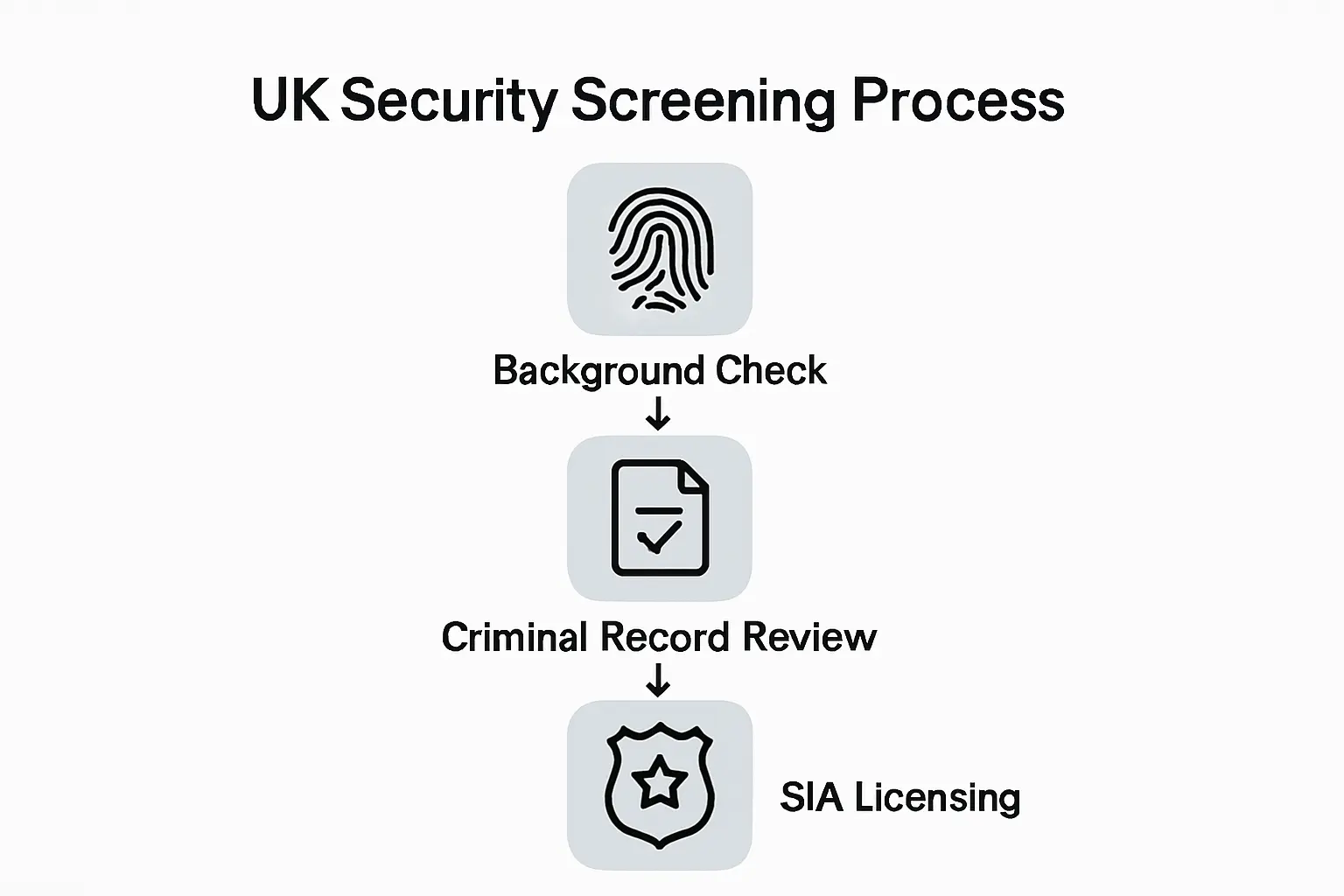
The fundamental obligations of security employers encompass multiple critical dimensions. These include verifying employee credentials, maintaining rigorous screening processes, implementing robust confidentiality protocols, and ensuring continuous professional development. Each security organisation must develop a systematic approach to personnel management that prioritises both organisational security and individual professional standards.
Key employer responsibilities include:
- Mandatory Licence Verification
- Background check implementation
- Regular skills assessment
- Ongoing professional training
- Data protection compliance
Risk-based screening approaches represent a sophisticated method of personnel management. These processes demand that employers conduct thorough assessments tailored to the specific security role, considering potential vulnerabilities and ensuring that each team member meets the precise requirements of their position. Confidentiality practices must be comprehensive, involving:
- Strict information handling protocols
- Secure document management
- Limited access to sensitive data
- Regular confidentiality training
- Robust digital security measures
Successful security organisations recognise that their duty extends beyond mere compliance. They must cultivate a culture of professional excellence, where confidentiality and ethical conduct are fundamental organisational values, not simply regulatory checkboxes.
Common Screening Mistakes and How to Avoid Them
Navigation through security screening processes requires meticulous attention to detail and a comprehensive understanding of potential pitfalls that can derail an otherwise promising application. SIA licensing procedures are particularly unforgiving of errors, with even minor mistakes potentially resulting in significant delays or outright application rejection.
The most frequent mistakes security professionals encounter during screening processes typically stem from inadequate preparation and incomplete documentation. Applicants often underestimate the complexity of the verification process, failing to compile comprehensive evidence of their professional credentials, personal history, and legal eligibility. These oversights can create substantial barriers to securing the necessary licensing and professional certifications required in the security sector.
Critical screening mistakes to avoid include:
- Incomplete Documentation
- Missing supporting evidence
- Outdated or incorrect personal information
- Inadequate proof of qualifications
- Residency Requirement Errors
- Failing to meet continuous residency periods
- Incomplete address history
- Insufficient documentation of international movements
- Background Check Complications
- Unresolved criminal records
- Gaps in employment history
- Inconsistent personal references
Successful candidates approach security screening as a strategic process, anticipating potential challenges and proactively addressing them. This means maintaining meticulous records, understanding precise documentation requirements, and presenting a transparent, comprehensive personal and professional profile that demonstrates reliability, integrity, and compliance with regulatory standards.
Secure Your Path in UK Security with Trusted Job Connections
Navigating the complex world of UK security screening requires not only understanding the detailed checks such as the Security Check (SC) or Developed Vetting (DV) but also finding the right opportunities where your credentials and integrity are valued. If you are seeking security roles that demand high professional standards and compliance with rigorous licensing like the Security Industry Authority requirements, then stepping into the market prepared is essential.

Take control of your security career today by connecting with employers who prioritise thorough vetting and professional excellence. At the Security Jobs Board, you can create your profile, upload your CV, and apply directly to vacancies that match your qualifications and screening level. Employers use this specialised platform to find trustworthy candidates who meet legal standards and demonstrate impeccable professionalism. Do not wait—visit https://www.securityjobsboard.co.uk/ now and position yourself for success with verified, quality job matches that respect the importance of UK security screening.
Frequently Asked Questions
What is security screening in the UK?
Security screening is a comprehensive process that assesses an individual’s suitability for security roles by examining their personal history, professional credentials, and legal eligibility to work in sensitive positions. Its objective is to protect organisations by ensuring trustworthy individuals have access to sensitive environments.
What types of security screening checks are conducted?
The primary types of security screening checks in the UK include Counter-Terrorist Checks (CTC), Security Checks (SC), and Developed Vetting (DV), each progressively more rigorous based on the sensitivity of the role.
What are the licensing requirements for security professionals?
Licensing requirements typically include mandatory training certification, criminal record background checks, proof of legal right to work, role-based qualifications, and ongoing professional development to ensure compliance with industry standards.
What common mistakes should applicants avoid during security screening?
Common mistakes include submitting incomplete documentation, failing to meet residency requirements, and not resolving background check complications. Applicants should maintain meticulous records and ensure full compliance with documentation standards.
Recommended
- What Is Security Screening? Complete Overview UK | Brainiac Media
- Security Checks Explained: Essential Guide for UK Industry|BM
- What Is Security Vetting? Complete UK Overview | Brainiac Media
- Why Choose Security Jobs: Complete Guide UK | Brainiac Media
- 7-Step High-Security Lock Checklist for Business Safety - A To Z Locksmith Inc
- Understanding the Importance of Payment Security - Omnichannel payments at the Point Of Sale | Sensepass


