How security checks work: a UK guide for 2026
TL;DR:
- Security checks verify identities, assess credentials, and detect risks across employment, travel, and events. They require layered technologies, consistent reviews, and emphasis on human factors to maintain effective security. Treating checks as ongoing processes rather than one-off events is essential for organizational safety and compliance.
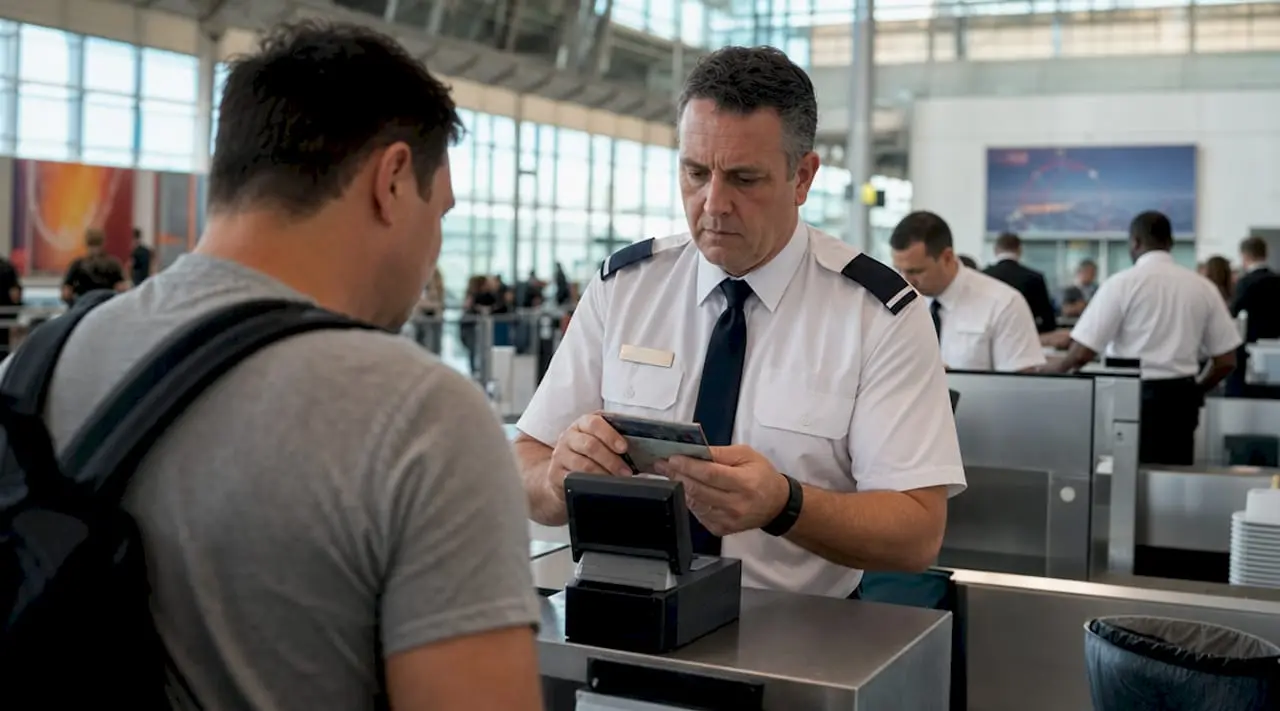
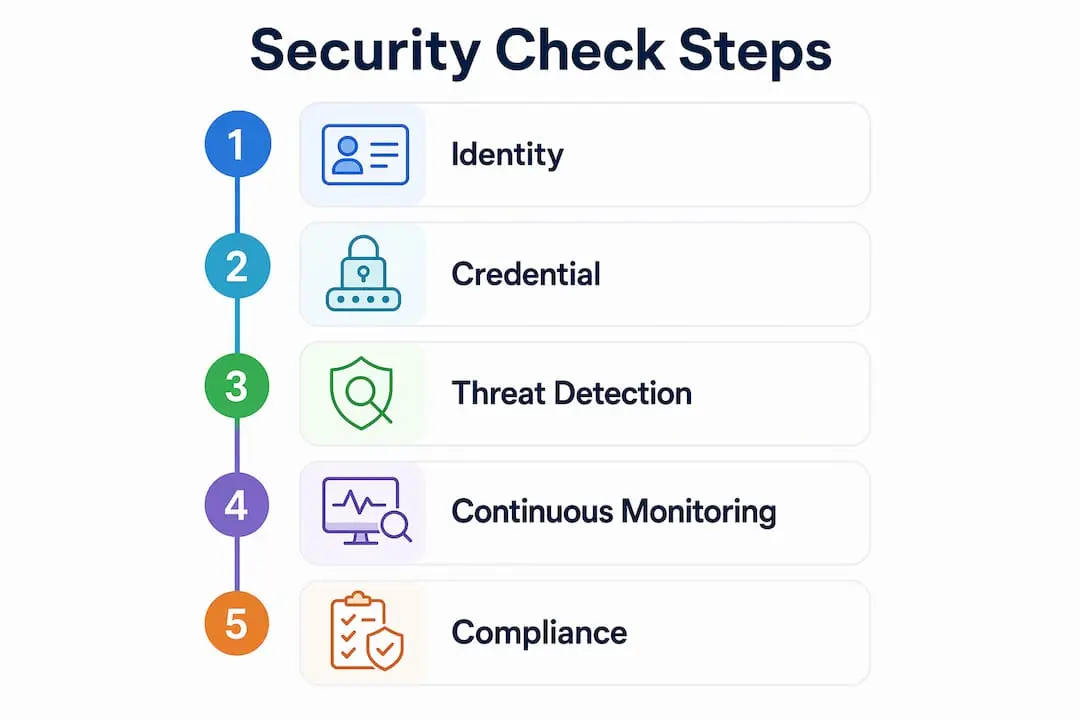
Security checks are defined as systematic processes used to verify identity, assess credentials, and identify potential risks before granting access, clearance, or employment. Whether you are applying for a security role, passing through an airport, or attending a large public event, these processes follow structured protocols designed to prevent unauthorised entry and protect people. Understanding how they function across different settings gives individuals and organisations a clear advantage, whether for compliance, career development, or operational planning.
How security checks work in employment settings
Employment security checks, formally known as pre-employment screening, are the most common form of vetting that UK workers encounter. They exist to confirm that a candidate is who they claim to be, that their history is consistent with their application, and that they pose no unacceptable risk to the employer or the public.
The process typically involves several distinct stages:
- Criminal record checks: In the UK, these are conducted through the Disclosure and Barring Service (DBS). Roles in security, healthcare, and education often require an Enhanced DBS check, which reveals spent and unspent convictions, cautions, and relevant police intelligence.
- Right-to-work verification: Employers are legally required to confirm that every candidate has the right to work in the UK before employment begins. This involves checking original documents such as a passport or biometric residence permit.
- Employment history verification: Recruiters contact previous employers to confirm job titles, dates of employment, and reasons for leaving. Gaps in employment history are flagged for further explanation.
- Reference checks: Personal and professional references provide a qualitative view of a candidate’s character and reliability.
- Identity verification: Photo ID, proof of address, and sometimes biometric data are cross-referenced against official records.
Automated platforms now handle much of the initial screening, but human review remains critical for interpreting context. A DBS result showing a minor offence from fifteen years ago, for example, requires a judgement call that no algorithm can reliably make. For a detailed walkthrough of the employment screening process, Securityjobsboard’s background check checklist covers the seven key steps UK employers and candidates should follow.
Pro Tip: If you are applying for a security role, request your own DBS check in advance. It gives you time to address any discrepancies before a prospective employer sees them.
Compliance with the UK General Data Protection Regulation (UK GDPR) governs how candidate data is collected, stored, and used throughout this process. Employers must obtain explicit consent before running checks and must store results securely. For further guidance on meeting these obligations, the compliance auditing guide published by Securityjobsboard is a practical starting point.
What happens during airport security screening?
Airport security screening is one of the most visible and technically advanced forms of the security checking process. It is designed to detect threats quickly while processing thousands of passengers per hour, which requires a precise combination of technology and trained personnel.
The process follows a clear sequence:
- Document verification: Passengers present their passport and boarding pass at the security lane. Staff or automated e-gates cross-reference the document against airline manifests and, in some cases, watch lists maintained by the National Crime Agency or Border Force.
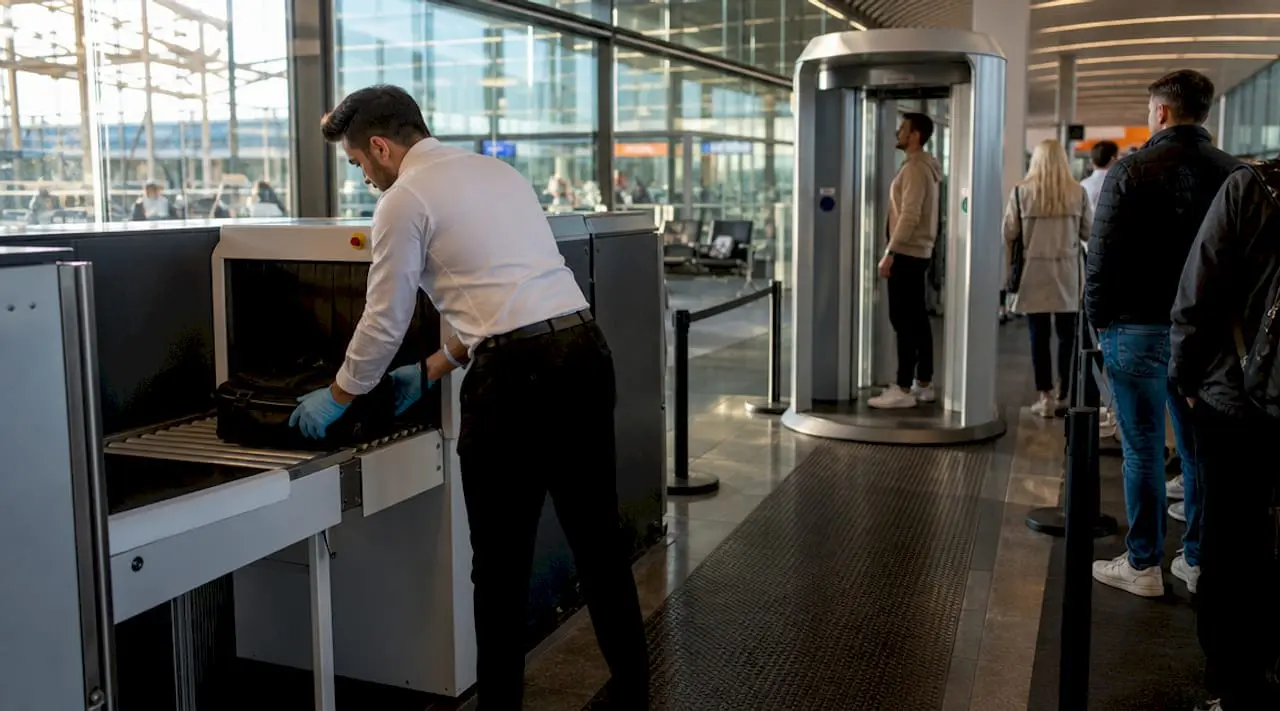
- Baggage X-ray screening: All carry-on luggage passes through X-ray machines. Operators are trained to identify the density signatures of prohibited items, including weapons, explosives, and restricted electronics.
- Liquids check: The 3-1-1 liquids rule requires that liquids be carried in containers of 100ml or less, placed in a single transparent bag, and presented separately for inspection. This protocol speeds throughput without compromising detection.
- Physical screening: Passengers walk through metal detection arches. If an alarm triggers, a secondary check using a handheld wand or pat-down search follows.
- Body scanner screening: Body scanners complete a scan in approximately three seconds and detect both metallic and non-metallic threats, including ceramic blades and plastic explosives that metal detectors miss entirely. This capability represents a significant advance over older single-technology screening.
- Secondary inspection: Passengers flagged by any stage of the process are directed to a secondary screening area for a more thorough manual search and interview.
The multi-layered approach is deliberate. No single technology catches every threat, so each layer compensates for the limitations of the one before it. Major UK airports including Heathrow, Gatwick, and Manchester have invested heavily in computed tomography (CT) baggage scanners, which produce three-dimensional images and reduce the need for manual bag searches by around 30%.
Security checks at events and controlled access venues
Event security checks operate on similar principles to airport screening but are adapted for faster throughput and varied venue types. A stadium hosting 80,000 people requires a fundamentally different approach to a private corporate function with 200 attendees, yet both rely on the same core mechanisms.
| Check type | Method used | Technology involved |
|---|---|---|
| Ticket verification | Barcode or QR scan at entry | Handheld scanners, turnstiles |
| ID verification | Visual check against ticket name | Manual review, sometimes digital ID apps |
| Personal search | Pat-down or wand scan | Handheld metal detectors |
| Credential check | Badge or lanyard verification | RFID access cards, visual inspection |
| Baggage check | Visual or X-ray inspection | X-ray machines at larger venues |
Ticket and ID verification is the first line of defence. At major events such as Premier League fixtures or music festivals, stewards use handheld scanners to validate barcodes in real time, with the system flagging duplicates instantly. This prevents ticket fraud and controls crowd numbers simultaneously.
Personal searches at events are governed by the Security Industry Authority (SIA) licensing framework. Licensed door supervisors and event stewards are trained to conduct searches in a manner that is proportionate, respectful, and legally compliant. Venues with a higher threat profile, such as those hosting politically sensitive gatherings, may deploy walk-through metal detection arches at every entry point.
Risk assessment underpins the entire event security plan. Organisers are required to conduct a formal assessment before any public event, identifying potential threats, crowd flow bottlenecks, and emergency evacuation routes. The balance between thoroughness and speed is a constant operational challenge. Overly slow entry processes create dangerous crowd build-up outside the venue, which itself becomes a security risk.
Why regular and multi-layered security checks matter for organisations
The importance of security checks extends well beyond the single moment of entry or hiring. For organisations, security is an ongoing management discipline rather than a one-time gate.
Annual security checks are insufficient because IT environments, staff rosters, and threat profiles change constantly. A system that was secure in January may be exposed by March following a software update, a new hire, or a change in supplier access. Monthly vulnerability assessments are becoming the practical standard for organisations that want to maintain genuine visibility of their risk posture.
Vulnerability scanning is automated and continuous, while penetration testing is manual and typically conducted annually or before major system releases. The two methods serve different purposes. Automated scans identify known vulnerabilities at scale and speed. Manual penetration testing, conducted by skilled specialists, simulates real-world attack scenarios that automated tools cannot replicate. Combining both is the only way to achieve a complete picture.
Human factors contribute to approximately 68% of security breaches, which means that technical controls alone are never sufficient. This figure underscores why social engineering assessments, phishing simulations, and staff awareness training must sit alongside technical checks in any credible security programme. An employee who clicks a malicious link bypasses every firewall and scanner in the organisation.
Effective security assessments combine automated scanning, manual expert review, and human element evaluations to verify real-world risks and prioritise remediation. This is not a one-size-fits-all approach. A retail business faces different threats to a financial institution, and the checks must reflect that difference.
Pro Tip: Treat your security check programme as a menu rather than a checklist. Select the combination of automated scans, manual tests, and human assessments that matches your specific threat profile and review that selection every quarter.
“Security assessments should be viewed as a menu, not a yearly checklist, combining multiple types for comprehensive security management.” (Security testing fundamentals)
Cyber security audits that combine automated scans with manual penetration testing also verify compliance with regulations including UK GDPR and, for organisations operating internationally, HIPAA. Compliance is not the goal of a security check programme, but it is a reliable by-product of a well-run one.
Key takeaways
Security checks work by layering identity verification, credential assessment, and threat detection across multiple methods, and no single check type is sufficient on its own.
| Point | Details |
|---|---|
| Employment checks follow a structured sequence | DBS checks, right-to-work verification, and reference checks each serve a distinct purpose in UK hiring. |
| Airport screening uses multiple technologies | Body scanners, X-ray machines, and document verification work together because no single method catches every threat. |
| Event security scales to venue risk | The SIA licensing framework governs personal searches, and risk assessments determine the appropriate level of screening. |
| Annual checks leave organisations exposed | Monthly vulnerability assessments are the emerging standard because IT environments change faster than yearly reviews can track. |
| Human factors drive most breaches | With 68% of breaches linked to human behaviour, staff awareness training is as critical as any technical control. |
The shift I think most organisations are still getting wrong
I have spent years working alongside security professionals across employment, physical, and cyber domains, and the pattern I see most often is organisations treating security checks as events rather than processes. They run a DBS check at hiring and never revisit it. They conduct an annual penetration test and file the report. They install a body scanner at the venue entrance and assume the job is done.
The reality is that security checks are increasingly continuous management processes rather than one-off events. The threat environment does not pause between your annual reviews, and neither should your checks. What surprises me is how often organisations invest heavily in technology and then underinvest in the human layer. A sophisticated access control system means very little if staff prop doors open for convenience, or if a contractor with outdated credentials still has badge access six months after their contract ended.
The organisations that get this right share one characteristic: they treat security as a living programme with regular reviews, not a compliance box to tick. If you are entering the security sector or hiring within it, understanding this distinction separates candidates and employers who genuinely understand the field from those who simply know the procedures. The career advice section at Securityjobsboard is worth exploring if you want to develop that deeper understanding.
— Rob
Start your security career with Securityjobsboard

Understanding how security checks function is the foundation of a credible career in the UK security sector. Whether you are a jobseeker looking to move into physical security, event management, or corporate screening roles, or an employer seeking vetted candidates who already understand the screening process, Securityjobsboard connects you to the right opportunities. The platform is affiliated with the BSIA and lists roles across the UK, including security positions in Northern Ireland. Employers can advertise vacancies directly to a qualified, security-focused audience. Candidates can set up job alerts, upload their CV, and apply at no cost. Visit Securityjobsboard to get started today.
FAQ
What are security checks used for?
Security checks are used to verify identity, assess credentials, and identify potential risks before granting access, employment, or clearance. They are applied across employment screening, airport travel, and event access in the UK.
How long does an employment security check take in the UK?
A standard DBS check typically takes between two and eight weeks, depending on the level of check and whether the applicant has lived abroad. Enhanced DBS checks take longer due to additional police intelligence searches.
What technology is used in airport security screening?
Airport security uses X-ray baggage scanners, body scanners capable of detecting non-metallic threats, and document verification systems. Body scanners complete a full scan in approximately three seconds.
How often should organisations conduct security checks?
Quarterly assessments are the recommended minimum for organisations, with more frequent checks following significant changes or incidents. Annual checks alone are insufficient given how rapidly IT environments and personnel change.
Do event security checks require a licence in the UK?
Door supervisors and security operatives conducting personal searches at events must hold a valid SIA licence. Stewards performing non-search duties at sports grounds operate under a separate regulatory framework governed by the Safety of Sports Grounds Act.


