What Is SIA Badge? Key To UK Security Careers
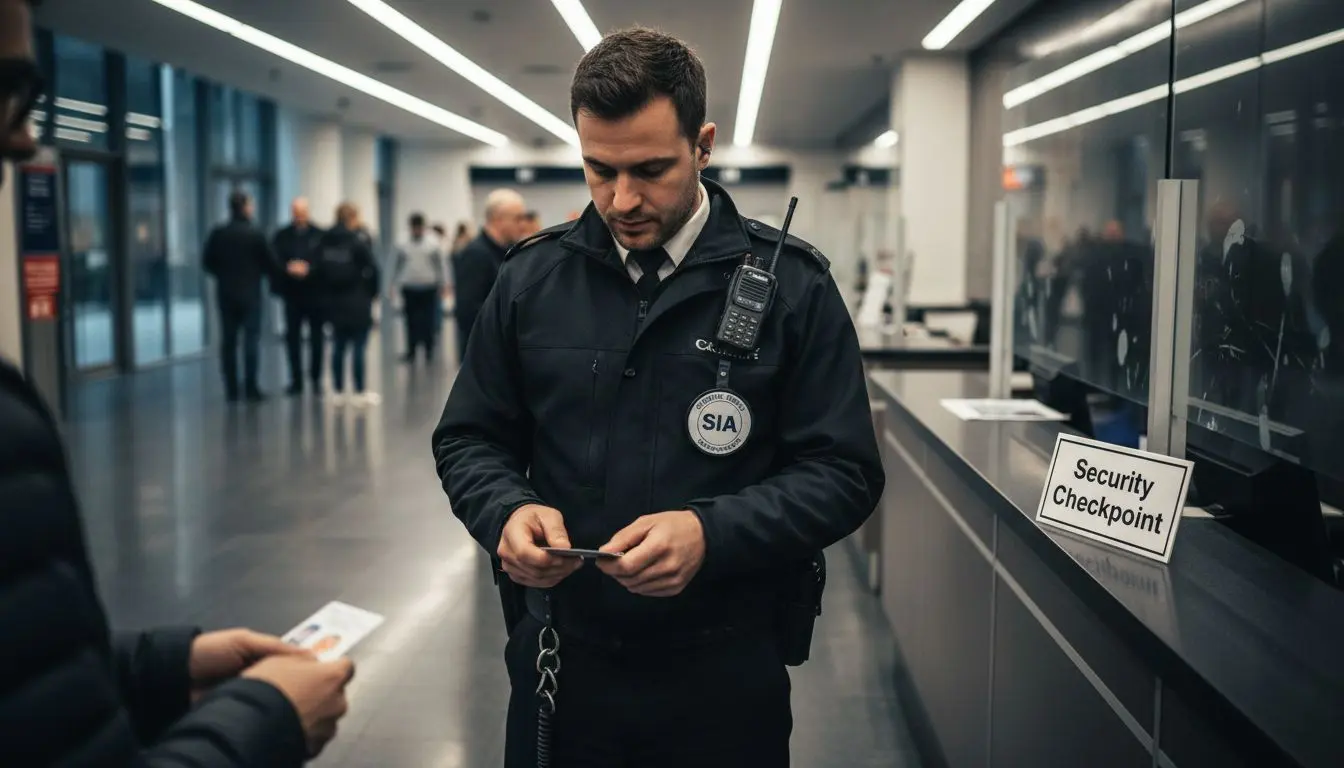
Stepping into the security industry in the United Kingdom means facing the challenge of proving you are both trustworthy and properly trained. For jobseekers aiming to secure reliable work or change careers, the SIA badge is far more than a formality. It stands as visible proof that you have met strict government requirements, demonstrating professionalism and legal compliance across a range of roles from security guards to CCTV operators. Here, you will find clear information on what the badge covers and why getting it right is crucial for your future employability.
Table of Contents
- SIA Badge Explained And Common Misconceptions
- Different Types Of SIA Licences In The UK
- How The SIA Badge Works In The Security Industry
- Eligibility, Training And Application Process
- Legal Responsibilities And On-The-Job Implications
Key Takeaways
| Point | Details |
|---|---|
| SIA Badge Importance | The SIA badge is a mandatory legal requirement for most security roles in the United Kingdom, ensuring professional competence and public safety. |
| Licence Types | There are two main categories of SIA licences: Front-Line and Non-Front Line, each with specific responsibilities and display requirements. |
| Eligibility and Training | Candidates must meet certain eligibility criteria and complete approved training to obtain an SIA licence, followed by ongoing professional development. |
| Legal Obligations | SIA licence holders must adhere strictly to legal standards and responsibilities, with serious consequences for non-compliance including potential prosecution and licence revocation. |
SIA Badge Explained And Common Misconceptions
The Security Industry Authority (SIA) badge represents a critical professional credential for anyone pursuing a career in private security within the United Kingdom. This official licensing document is far more than a simple identification card - it’s a legal requirement that demonstrates a security professional’s competence, training, and suitability for critical safety roles.
The SIA badge covers multiple security roles beyond the common misconception of just nightclub or venue security. Specific security licensing regulations actually encompass a wide range of professional responsibilities, including:
- Security guards
- Door supervisors
- CCTV operators
- Key holding personnel
- Event security staff
- Public space protection officers
To obtain an SIA badge, candidates must complete rigorous requirements that go well beyond simple paperwork. These include:
- Completing approved training courses
- Passing background criminal record checks
- Demonstrating professional conduct standards
- Paying the required licensing fees
- Maintaining ongoing professional development
The SIA badge isn’t just a credential - it’s a legal requirement that ensures public safety and professional standards in the security industry.
Many professionals mistakenly believe the SIA badge is optional or only relevant for specific security roles. In reality, government licensing rules mandate this certification for most paid security positions, making it an essential qualification for career progression.
Pro tip: Always verify the specific SIA licensing requirements for your intended security role, as different positions may have unique training and certification standards.
Different Types Of SIA Licences In The UK
The Security Industry Authority (SIA) offers a comprehensive range of licensing options designed to cover various roles and responsibilities within the security sector. Licensing categories encompass different professional requirements and are strategically structured to ensure industry-wide standards and professional competence.
Primary SIA licence types can be categorised into two main groups:
Front-Line Licences:
- Door Supervisor
- Security Guard
- Public Space Surveillance (CCTV) Operator
- Key Holding
- Event Security Staff
Non-Front Line Licences:
- Security Management
- Close Protection
- Vehicle Immobilisation
- Security Consultancy
Each licence type has specific requirements and professional standards. Front-line licences mandate wearing a visible credit card-style badge, while non-front line licences typically involve administrative or supervisory roles with different documentation standards.
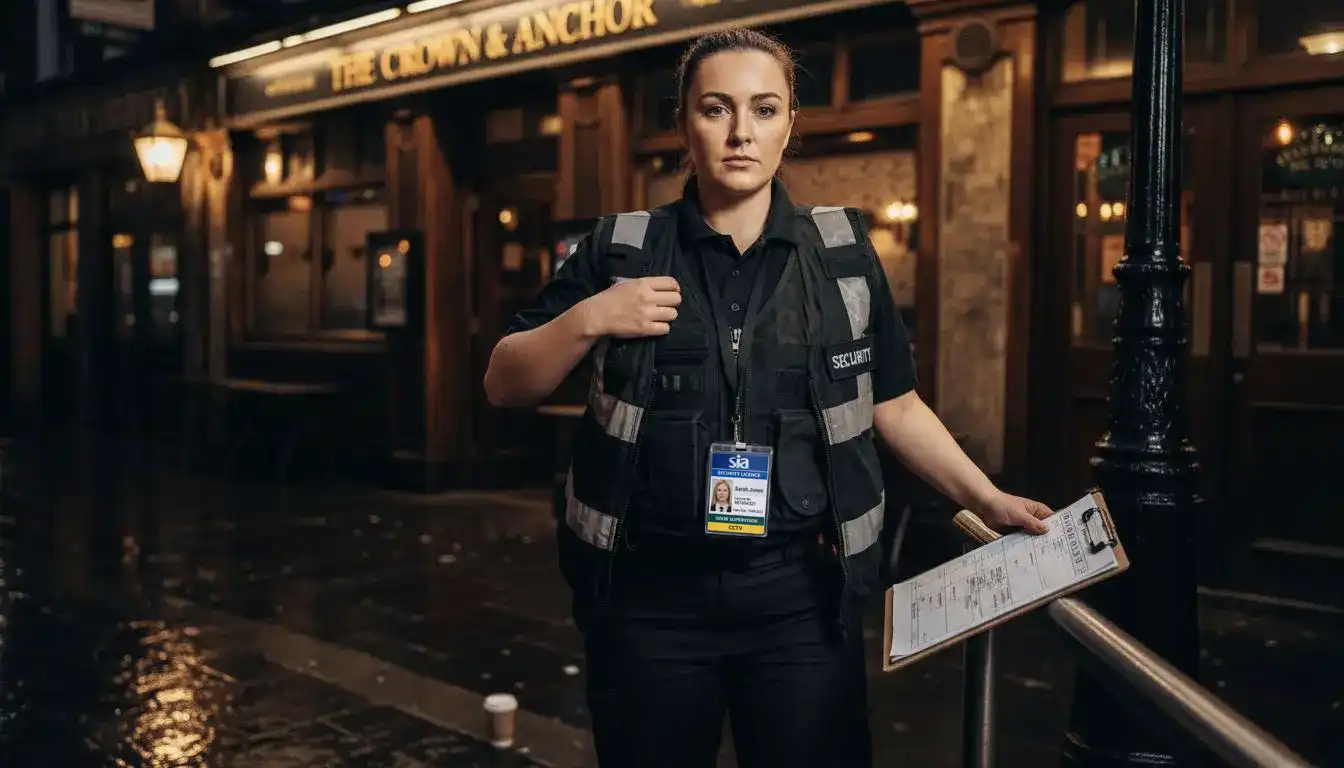
Below is a summary distinguishing key SIA licence types and their typical responsibilities:
| Licence Category | Main Responsibilities | Badge Display Requirement |
|---|---|---|
| Front-Line | Direct security services to the public | Must be visible at all times |
| Non-Front Line | Supervisory and management tasks | Internal use, not always visible |
| Close Protection | Personal/bodyguard assignments | Flexible, situational display |
| Security Consultancy | Advising on security practices | Documentation rather than badge |
Professional licensing ensures that security personnel meet rigorous standards of competence, conduct, and legal compliance.
To obtain an SIA licence, candidates must typically complete:
- Approved training courses specific to their chosen security role
- Criminal background checks
- Professional conduct assessments
- Mandatory qualification examinations
- Periodic licence renewals and continued professional development
Interested professionals can explore security sector opportunities that align with their specific skill set and career aspirations.
Pro tip: Always verify the precise training and qualification requirements for your specific intended security licence, as each role has unique professional standards.
How The SIA Badge Works In The Security Industry
The SIA badge functions as a critical regulatory mechanism within the United Kingdom’s security sector, serving as an official certification of professional competence and legal authorisation. Industry compliance depends on proper badge display and adherence to strict professional standards.
Key operational characteristics of the SIA badge include:
- Mandatory identification for frontline security personnel
- Legal requirement for most security roles
- Visible proof of professional training and vetting
- Unique identification number for each licensed professional
- Renewable credential with periodic reassessment
The badge’s legal framework requires specific operational protocols:
- Must be visibly displayed during security duties
- Demonstrates completion of mandatory training
- Indicates successful background criminal checks
- Confirms professional conduct standards
- Enables employer and client verification
The SIA badge represents more than documentation - it’s a trust mechanism ensuring public safety and professional integrity.
Different licence categories have nuanced display requirements. Front-line roles typically mandate continuous badge visibility, while certain specialized positions like close protection officers might have more flexible display regulations.
Industry accreditation standards emphasize the badge as a fundamental tool for maintaining professional standards and public confidence in security services.
Pro tip: Always carry your original SIA documentation alongside the badge, as employers and clients may request additional verification during assignments.
Eligibility, Training And Application Process
Navigating the SIA licence application requires understanding comprehensive eligibility criteria and professional standards. Security licence application standards are designed to ensure only qualified professionals enter the security sector.
Fundamental Eligibility Requirements:
- Minimum age of 18 years
- Right to work in the United Kingdom
- Clear criminal background
- Physical and mental fitness for security roles
- English language proficiency
- Ability to pass enhanced background checks
Training Pathway Components:
- Accredited security training courses
- Role-specific qualification programmes
- Practical skills assessment
- Theory and practical examinations
- Continuous professional development
The application process typically involves several critical stages:
- Select appropriate security licence category
- Complete mandatory training course
- Obtain qualification certification
- Submit online application
- Pass criminal record verification
- Pay required licensing fees
- Receive official SIA badge
Successful SIA licensing represents a commitment to professional standards and public safety.
Applicants must be prepared for rigorous screening, which includes detailed criminal record checks, verification of qualifications, and assessment of personal conduct. Mental health and criminal history are carefully evaluated to determine an individual’s suitability for security work.

Explore security career preparation to understand the comprehensive requirements for entering this dynamic profession.
Pro tip: Maintain meticulous documentation of your training, qualifications, and personal records throughout the application process to ensure smooth verification.
Legal Responsibilities And On-The-Job Implications
SIA licence holders operate within a stringent legal framework that demands professional accountability and strict adherence to national security regulations. Compliance requirements are comprehensive and legally binding, ensuring that security professionals maintain the highest standards of conduct and public safety.
Key Legal Obligations:
- Adhering to Private Security Industry Act 2001
- Displaying licence during authorised duties
- Operating strictly within licenced activity boundaries
- Maintaining professional conduct standards
- Reporting potential security breaches
- Protecting public and client confidentiality
Potential Legal Consequences of Non-Compliance:
- Criminal prosecution
- Substantial financial penalties
- Licence suspension or revocation
- Professional reputation damage
- Potential employment disqualification
- Civil liability risks
On-the-job implications involve more than simply performing security duties. Licence holders must:
- Continuously demonstrate professional competence
- Understand legal limitations of their role
- Maintain accurate personal documentation
- Respond appropriately to challenging situations
- Prioritise public safety and legal compliance
Professional conduct is not optional - it’s a fundamental requirement of security work.
The SIA badge serves as both an authorisation and a continuous reminder of professional responsibilities. Frontline security legislation emphasises that licence holders are legally accountable for their actions during security assignments.
The table below contrasts legal obligations and consequences for security professionals:
| Legal Duty | Importance | Consequence if Ignored |
|---|---|---|
| Display SIA licence | Legal verification | Fines, possible prosecution |
| Act within licensed boundaries | Ensures lawful work | Licence revocation |
| Maintain professional conduct | Public trust and integrity | Reputation and job loss |
| Protect client confidentiality | Data protection compliance | Civil liability, loss of licence |
| Report security breaches | Public and client safety | Legal action and fines |
Pro tip: Always document interactions, maintain professional boundaries, and seek immediate guidance if encountering legally complex situations during your security duties.
Unlock Your Security Career with the Essential SIA Badge
Navigating the path to secure your SIA badge can feel overwhelming given its strict legal requirements and rigorous training standards. Whether you are aiming for front-line security roles such as door supervisor or CCTV operator, or exploring specialised positions like security management, understanding and obtaining the right licence is your key to success. The article highlights common challenges including meeting eligibility criteria, maintaining professional conduct, and the critical importance of displaying your SIA badge correctly to safeguard your career.

Take control of your security career today by connecting with real UK employers on the Security Jobs Board. Our platform is designed to help you upload your CV, apply quickly to relevant roles, and receive personalised job alerts—all tailored to your licensing qualifications and career goals. Explore how your SIA licence can open doors to rewarding opportunities and make your professional journey smoother by visiting Security Sector Jobs UK Guide and How to Get Your SIA Licence. Don’t wait for opportunities to find you—join thousands of security professionals using Security Jobs Board and advance your career with confidence and compliance.
Frequently Asked Questions
What is the SIA badge?
The SIA badge is an official licensing document required for security professionals in the UK. It verifies an individual’s training, competence, and suitability for various security roles.
What are the different types of SIA licences?
SIA licences are categorised into front-line and non-front line licences. Front-line includes roles such as Door Supervisor and Security Guard, while non-front line includes Security Management and Consultancy roles.
How can I obtain an SIA badge?
To obtain an SIA badge, candidates must complete approved training courses, pass background checks, and demonstrate professional conduct before applying and paying the licensing fees.
What are the legal responsibilities of SIA licence holders?
SIA licence holders must adhere to the Private Security Industry Act 2001, display their licence during duties, operate within licensed boundaries, maintain professional conduct, and protect client confidentiality.
Recommended
- Industry Accreditation in Security – Why It Matters|BM
- How to Get Your SIA Licence in 2025: Step-by-Step Guide|BM
- 7 Essential Tips for Success in Security Jobs UK | Brainiac Media
- Role of Professional Bodies in UK Security Careers|BM
- Best Pouches and Accessories Security Officers Must Have - Ace Link Armor


