Door Supervision: Key Role and Legal Duties in the UK
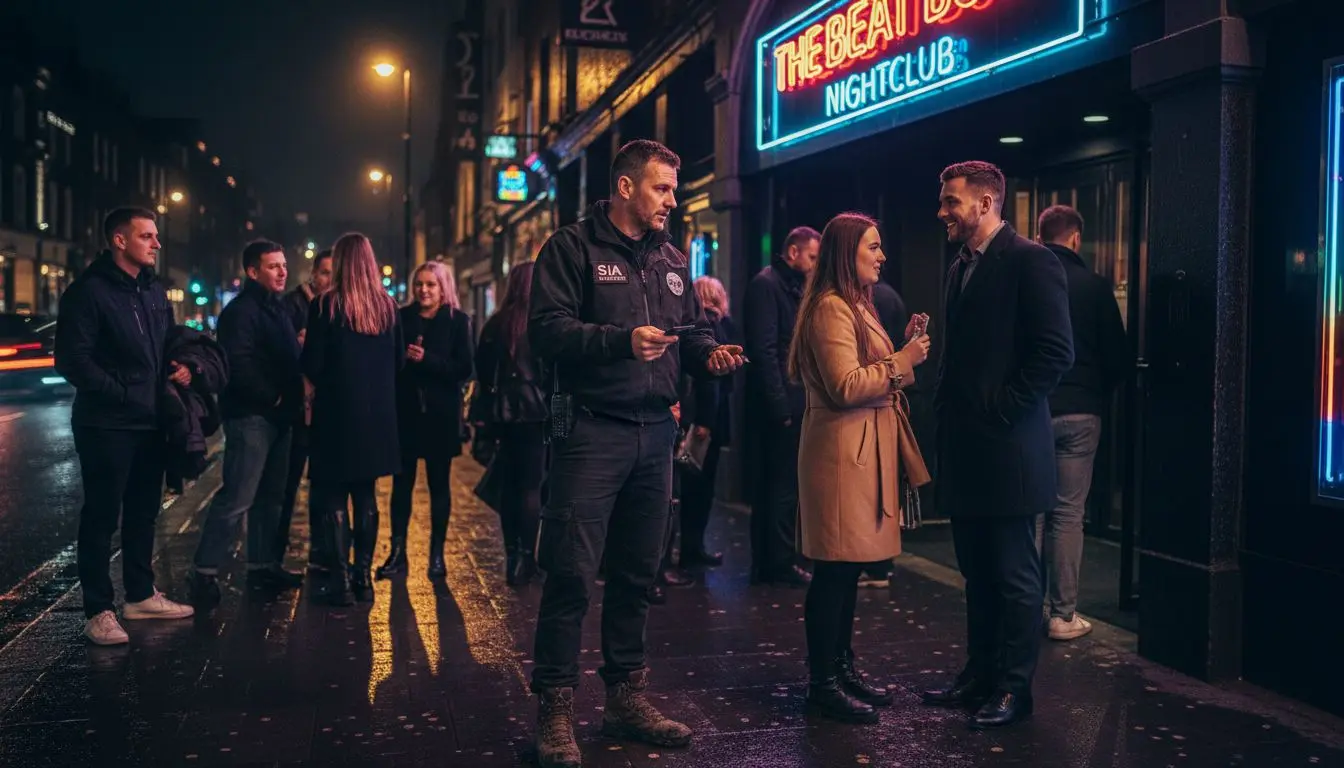
Every british venue that welcomes the public relies on skilled door supervision to keep crowds safe and maintain order. With more than 330,000 Security Industry Authority licence holders active across the United Kingdom, the demand for qualified door supervisors remains consistently high. Understanding the daily challenges and legal expectations of this role not only helps applicants stand out but also builds a foundation for a successful career in the security industry.
Table of Contents
- Door Supervision Defined And Key Functions
- Pathways: Types Of Door Supervisor Roles
- SIA Licensing And Legal Requirements Explained
- Core Duties And Professional Responsibilities
- Risks, Liabilities, And Career Progression
Key Takeaways
| Point | Details |
|---|---|
| Role of Door Supervisors | Door supervisors manage entry, ensure patron safety, and control crowd dynamics in various environments. |
| SIA Licensing Requirements | Obtaining an SIA licence is essential; it necessitates completing training and passing background checks. |
| Core Responsibilities | Key duties include preventing crime, ensuring public safety, and maintaining professional conduct. |
| Career Progression Opportunities | Professionals can advance from entry-level roles to specialised positions, emphasising continuous development and certification. |
Door Supervision Defined and Key Functions
Door supervision represents a critical security role within the United Kingdom’s hospitality and entertainment sectors, involving the professional management of entry points and crowd safety. Security Industry Authority licensing defines this position as a specialised security function requiring specific skills, legal authorisation, and professional conduct.
A door supervisor serves multiple essential functions, acting as both a gatekeeper and safety professional. Their core responsibilities include managing venue entry, controlling crowd dynamics, preventing potential conflicts, and ensuring patron safety. According to official security guidelines, these professionals operate on behalf of venue owners and management, applying legal authority to maintain order and compliance.
Key functions of door supervision encompass several critical tasks:
- Screening individuals for entry
- Managing queue behaviour
- Checking identification documents
- Preventing inappropriate or dangerous conduct
- Responding to potential security threats
- Cooperating with local law enforcement
Successful door supervisors must possess a combination of physical presence, communication skills, and legal knowledge. They need to remain calm under pressure, interpret complex social situations rapidly, and make decisive judgments that protect both venue property and patron safety.
Pro tip: Always maintain professional situational awareness and document any significant incidents using clear, objective language for potential future reference.
Pathways: Types of Door Supervisor Roles
Door supervision offers diverse career opportunities across multiple sectors, with roles ranging from event safety to nightclub security. National career pathways reveal multiple entry points and progression routes for aspiring security professionals, each requiring specific skills and certifications.
Typical door supervisor roles include:
Below is a comparison of typical door supervisor roles across various sectors:
| Role Type | Main Environment | Primary Focus | Example Venue |
|---|---|---|---|
| Event Safety Steward | Festivals and concerts | Crowd flow and emergency care | Outdoor festival |
| Nightclub Door Supervisor | Nightclubs and bars | Entry control and conflict management | Urban nightclub |
| Retail Security Personnel | Shops and commercial centres | Theft prevention and monitoring | Large department store |
| Stadium Security | Large sports venues | Mass safety and access control | Football stadium |
- Event Safety Steward: Managing crowd flow at concerts, festivals, and sporting events
- Nightclub Door Supervisor: Controlling entry and maintaining order in entertainment venues
- Private Venue Security: Protecting corporate and private event spaces
- Retail Security Personnel: Monitoring and protecting commercial establishments
- Stadium and Arena Security: Ensuring patron safety during large public gatherings
Progression in this field typically follows a structured pathway. Professionals often begin as entry-level stewards, gaining essential experience before pursuing SIA licensing to become fully qualified door supervisors. Advanced practitioners may transition into specialised roles such as security management, training, or consultancy.
Successful door supervisors develop a comprehensive skill set that combines physical presence, communication expertise, and legal knowledge. Career advancement depends on continuous professional development, maintaining a clean record, and demonstrating exceptional situational management skills.

The following table summarises career progression stages within door supervision:
| Stage | Common Requirements | Example Position | Next Step |
|---|---|---|---|
| Entry-level Steward | Basic training, customer service | Event safety steward | SIA licence and additional training |
| Licensed Supervisor | SIA licence, experience | Nightclub door supervisor | Management or specialist security roles |
| Advanced Practitioner | Special courses, leadership | Security team leader | Security trainer or consultant |
Pro tip: Invest in ongoing training and networking within the security industry to maximise your career progression opportunities.
SIA Licensing and Legal Requirements Explained
The Security Industry Authority (SIA) serves as the critical regulatory body governing door supervision in the United Kingdom. Statutory licensing requirements mandate that all door supervisors must obtain an official licence to work legally in the security industry, making compliance a fundamental professional obligation.
To secure an SIA door supervisor licence, candidates must fulfil several key requirements:
- Complete an approved training programme
- Pass a comprehensive criminal record background check
- Demonstrate physical and mental fitness for security work
- Provide proof of identity and right to work in the United Kingdom
- Obtain an emergency first aid qualification
Recent regulatory updates introduce mandatory training changes effective from April 2025. These modifications include mandatory refresher qualifications and enhanced emergency response training, ensuring that door supervisors maintain current skills and legal knowledge throughout their careers.
Licence holders must understand that working without a valid SIA licence constitutes a criminal offence, with potential legal penalties including substantial fines and potential imprisonment. The licensing process is designed to maintain high professional standards, protect public safety, and ensure that only qualified individuals can perform security roles.
Pro tip: Always keep your SIA licence documentation current and readily accessible, and schedule your renewal well in advance of expiration to maintain continuous legal working status.
Core Duties and Professional Responsibilities
Door supervisors carry critical legal and ethical responsibilities that extend far beyond basic security functions. Comprehensive professional guidelines outline a comprehensive framework of duties designed to maintain public safety, prevent disorder, and protect both venue and patron interests.
The core duties of a door supervisor encompass several fundamental responsibilities:
- Preventing crime and disorder
- Ensuring public safety
- Protecting vulnerable individuals
- Managing venue entry and exit points
- Monitoring patron behaviour
- Resolving potential conflicts peacefully
- Cooperating with law enforcement
Professional responsibilities in security require maintaining a delicate balance between firmness and approachability. Door supervisors must communicate effectively, demonstrate exceptional situational awareness, and make rapid, judicious decisions that prioritise safety while respecting individual rights. This demands a nuanced understanding of legal boundaries, conflict de-escalation techniques, and professional conduct.

Understanding the legal and ethical dimensions of door supervision is paramount. Supervisors must use reasonable force only as an absolute last resort, document incidents accurately, and always prioritise prevention over intervention. Their role involves proactively managing potential risks while maintaining a calm, professional demeanour that reassures patrons and prevents escalation of tensions.
Pro tip: Develop a comprehensive incident reporting system and always document interactions objectively to protect yourself and maintain professional accountability.
Risks, Liabilities, and Career Progression
Door supervisors operate in high-risk environments that demand comprehensive understanding of potential professional hazards. Professional risk management strategies are essential for navigating the complex landscape of security work, encompassing physical, legal, and personal safety considerations.
Key occupational risks include:
- Physical confrontations with aggressive individuals
- Managing large, unpredictable crowd dynamics
- Potential legal liability for use of force
- Personal safety threats during conflict resolution
- Complex emotional and psychological stress
- Potential workplace injury scenarios
- Risk of misinterpreting situational escalations
Career progression pathways offer substantial opportunities for ambitious professionals. Typical advancement routes include transitioning from entry-level steward positions to licensed door supervisors, with experienced practitioners potentially moving into supervisory roles, training positions, security management, or specialised consultancy positions. Success depends on continuous professional development, maintaining an impeccable professional record, and acquiring additional security-related qualifications.
Legal liabilities represent a critical consideration for door supervisors. Professionals must understand precise boundaries regarding reasonable force, maintain meticulous documentation of incidents, and consistently adhere to health and safety regulations. Understanding these legal parameters is crucial for protecting both personal and professional interests while maintaining public safety.
Pro tip: Invest in comprehensive personal liability insurance and maintain detailed professional records to protect yourself from potential legal complications.
Secure Your Future in Door Supervision with Expert Support
The role of a door supervisor is demanding and requires not only legal compliance but also continuous professional development and situational awareness. If you are navigating the complexities of obtaining your SIA licence, managing high-pressure environments, or seeking to advance your career in security, finding the right opportunities is crucial. Door supervision demands a balance of authority, communication skills, and legal knowledge, and your next career step should reflect those priorities.

Discover tailored job listings and career resources specifically designed for security professionals at the Security Jobs Board. Whether you are an entry-level steward or a licensed supervisor aiming for advanced roles, our platform connects you with employers who value your expertise. Start now to access a user-friendly site where you can upload your CV, set job alerts, and apply directly to positions that match your skills and goals. Don’t wait to take control of your career path in the UK’s security industry. Visit Security Jobs Board and step confidently toward your future today.
Frequently Asked Questions
What are the main responsibilities of a door supervisor?
Door supervisors primarily manage venue entry, control crowd behaviour, check identification documents, prevent inappropriate conduct, respond to security threats, and cooperate with local law enforcement to ensure patron safety.
How do I obtain a SIA licence for door supervision?
To obtain a Security Industry Authority (SIA) licence, candidates must complete an approved training programme, pass a criminal record background check, demonstrate fitness for security work, provide identity proof, and obtain an emergency first aid qualification.
What types of door supervisor roles are available?
There are various door supervisor roles including event safety steward, nightclub door supervisor, private venue security, retail security personnel, and stadium security, each focusing on different environments and responsibilities.
What are the legal duties of a door supervisor?
Legal duties include preventing crime and disorder, ensuring public safety, protecting vulnerable individuals, managing entry and exit points, monitoring behaviour, resolving conflicts, and cooperating with law enforcement while adhering to health and safety regulations.
Recommended
- What Is Security Patrol and Why It Matters UK | Brainiac Media
- Understanding the Role of Security Guards in the UK|BM
- Manned Guarding Explained: Key Roles In UK Security|BM
- Behind the Uniform: Understanding the Role of Security Guards Across the UK|BM
- Responsabilità Del Responsabile Sicurezza: Guida Completa - Sikuro


