Behind the Uniform: Understanding the Role of Security Guards Across the UK
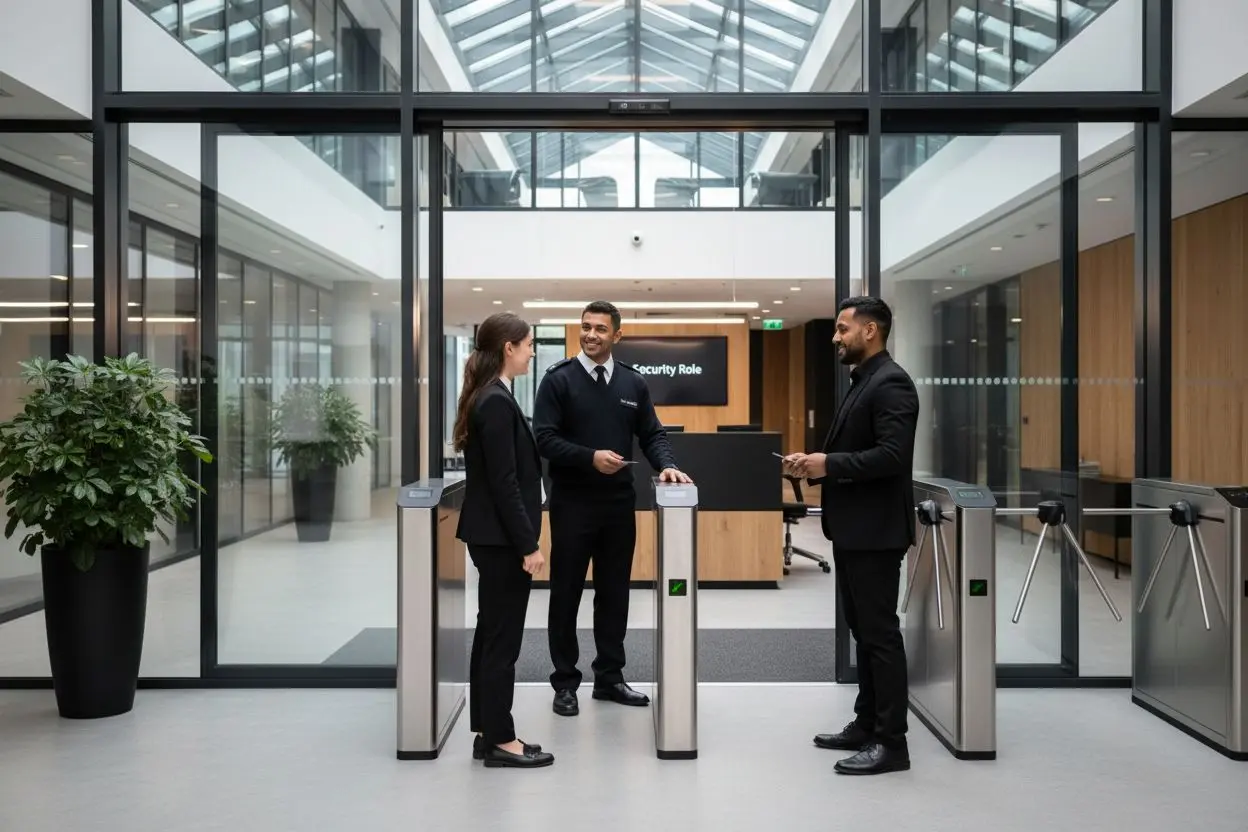
Security guards are everywhere, quietly shaping the safety of our everyday lives. Most people imagine them standing silently by doors or patrolling shopping centres, but not many realise security professionals help prevent over £6.5 billion in losses for the UK economy each year. Their role goes far beyond keeping an eye out for trouble and instead forms the backbone of community protection and public trust.
Table of Contents
- What Is The Role Of Security Guards?
- Why Security Guards Matter In Society
- How Security Guards Operate In Various Contexts
- Key Responsibilities And Skills Of Security Guards
- The Future Landscape Of Security Guard Roles
Quick Summary
| Takeaway | Explanation |
|---|---|
| Security guards are vital for safety. | They protect people and assets through vigilance and response to threats. |
| Legal requirements ensure guard professionalism. | Security personnel in the UK must be licensed and meet training standards to operate legally. |
| Guards enhance economic stability. | Their presence reduces risks, helping businesses thrive and communities feel safe. |
| Operational strategies vary by context. | Guards adapt their methods based on the specific risks and needs of their environment. |
| Technological skills are essential in security. | Future roles require guards to manage advanced security systems and digital intelligence tools. |
What is the Role of Security Guards?
Security guards represent a critical frontline defence mechanism within public and private spaces, responsible for protecting people, property, and assets from potential threats and risks. Their professional responsibilities extend far beyond simply standing and watching, encompassing a comprehensive range of protective and preventative functions that ensure safety and security in various environments.
Core Protective Responsibilities
The role of security guards involves multiple strategic tasks designed to mitigate risks and maintain order. These professionals are trained to observe and monitor premises, detect suspicious activities, and respond swiftly to potential security breaches. Their primary objective is preventing incidents before they escalate, which requires constant vigilance, excellent situational awareness, and quick decision making.
Key protective responsibilities include:
- Conducting regular physical patrols of assigned areas
- Monitoring surveillance equipment and security systems
- Controlling access points and verifying individual credentials
- Reporting suspicious activities to appropriate authorities
- Maintaining detailed logs and incident reports
Legal and Regulatory Context
Security guards operate within a strict legal framework in the UK, which mandates specific standards and qualifications. According to the Security Industry Authority, all professional security personnel must be licensed, ensuring they meet rigorous training and background check requirements. These regulations guarantee that security guards possess the necessary skills, knowledge, and ethical standards to perform their critical roles effectively.
Moreover, security guards must understand and comply with various legislative requirements, including health and safety regulations, data protection laws, and specific industry-specific guidelines. Their role often involves collaborating with local law enforcement and emergency services, making communication and procedural knowledge crucial.
For professionals interested in understanding more about security job classifications, our comprehensive guide on security job roles provides deeper insights into the diverse opportunities within this dynamic sector.
Why Security Guards Matter in Society
Security guards serve as essential guardians of public safety, playing a pivotal role in maintaining social order, protecting vulnerable populations, and preventing potential criminal activities across diverse environments. Their significance extends far beyond traditional perceptions of security personnel as mere observers, representing a critical social infrastructure that supports community well being and economic stability.
Preventive Social Protection
The societal impact of security guards is profound and multifaceted. These professionals act as deterrents to criminal behaviour, significantly reducing the likelihood of theft, vandalism, and personal violence. By maintaining a visible and authoritative presence, security guards create psychological barriers that discourage potential offenders from engaging in unlawful activities.
Key societal protective functions include:
- Protecting public and private spaces from potential security threats
- Providing immediate response during emergencies
- Offering a sense of safety and reassurance to vulnerable community members
- Supporting local law enforcement through proactive monitoring
- Creating safe environments for businesses, educational institutions, and public spaces
Economic and Community Stability
Beyond physical protection, security guards contribute substantially to economic resilience and community confidence. Their presence helps businesses operate with reduced risk, protects valuable assets, and creates environments where economic activities can flourish without constant fear of disruption.
INFOGRAPHIC:infographic_content] [Research from the Security Industry Authority indicates that professional security personnel contribute approximately £6.5 billion annually to the UK economy through risk mitigation and protection services.
Moreover, security guards often serve as critical community interfaces, providing assistance, guidance, and immediate support during critical incidents. Their role extends to crowd management, emergency evacuation, first aid administration, and maintaining public order during large gatherings or potentially volatile situations.
For employers seeking to understand the broader implications of security personnel, explore our comprehensive employer resources to gain deeper insights into the strategic value of professional security services.
How Security Guards Operate in Various Contexts
Security guards demonstrate remarkable versatility in their professional approach, adapting their operational strategies to meet the unique demands of different environments. Their ability to respond effectively across diverse settings highlights the complexity and nuanced nature of security work, requiring exceptional situational awareness, adaptability, and specialised skill sets.
To clarify the unique requirements and operational focus in key security sectors, the following table compares the core approaches taken by security guards in different environments in the UK.
| Sector | Primary Focus | Key Challenges |
|---|---|---|
| Retail/Commercial | Theft prevention, crowd management | Balancing customer service and security |
| Healthcare | Patient safety, emergency response | Sensitive environments, confidentiality |
| Government/Critical Infrastructure | Stringent access control, threat assessment | High security requirements, potential targeted risks |
| Public Spaces | Public order, incident response | Large crowds, unpredictable situations |
| Educational Institutions | Student safety, monitoring access | Young/vulnerable populations, open campuses |
Contextual Operational Strategies
Professional security personnel develop context specific protocols that align with the particular characteristics and risk profiles of their assigned environments. This requires a sophisticated understanding of spatial dynamics, potential threat scenarios, and the specific protective requirements of different sectors.
Key operational adaptation strategies include:
- Assessing unique environmental risk factors
- Developing tailored response protocols
- Understanding sector specific security challenges
- Implementing flexible monitoring techniques
- Maintaining comprehensive situational awareness
Sector Specific Security Approaches
Different sectors demand distinct security approaches. In commercial settings like shopping centres and business parks, security guards focus on crowd management, theft prevention, and maintaining smooth operational flow. According to research from the British Security Industry Association, retail environments require guards to balance customer service with proactive security monitoring.
In healthcare facilities, security personnel must navigate complex environments requiring sensitivity, discretion, and rapid emergency response capabilities. Their roles involve managing visitor access, protecting patient confidentiality, and supporting medical staff during potentially volatile situations.
Government and critical infrastructure sites demand the highest levels of security, with guards implementing stringent access control, conducting comprehensive threat assessments, and maintaining constant vigilance against potential security breaches.
For professionals looking to understand the intricacies of security credit allocation and management, explore our detailed employer credits guide to gain deeper insights into operational resource management.
Key Responsibilities and Skills of Security Guards
Security guards require a sophisticated blend of technical proficiency, interpersonal skills, and professional acumen to effectively execute their critical protective responsibilities. Their professional toolkit encompasses a comprehensive range of competencies that enable them to navigate complex security environments with precision, adaptability, and strategic awareness.
Core Professional Responsibilities
Security professionals are tasked with multifaceted protective duties that extend far beyond traditional perceptions of monitoring and observation. Their responsibilities involve proactive risk management, detailed documentation, and immediate incident response. These professionals serve as the first line of defence in protecting people, property, and organisational assets.
Key professional responsibilities include:
- Conducting systematic and thorough site inspections
- Monitoring surveillance systems and access points
- Documenting and reporting potential security incidents
- Implementing emergency response protocols
- Maintaining comprehensive security logs and records
Essential Professional Skills
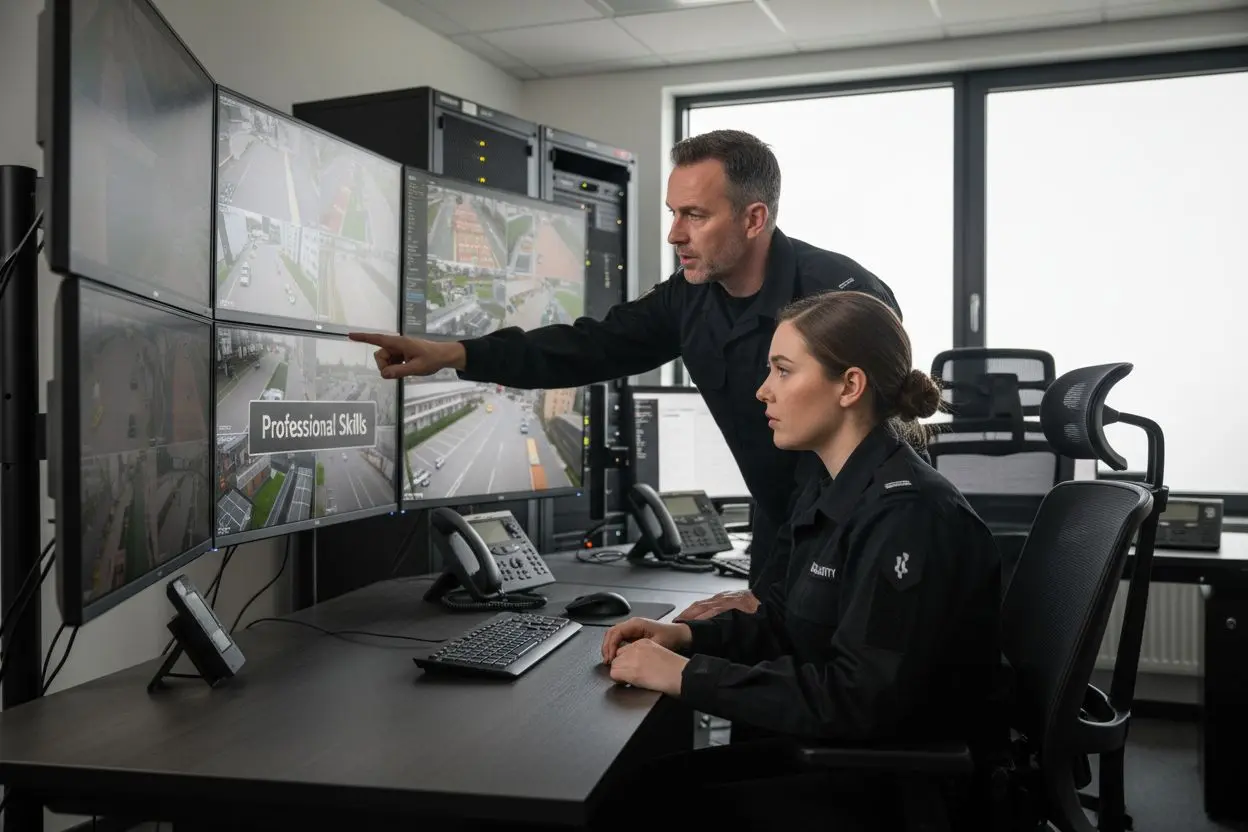
Successful security guards possess a nuanced skill set that combines physical readiness, psychological awareness, and technical competence. According to National Careers Service guidance, these professionals must demonstrate exceptional observational capabilities, strong communication skills, and the ability to remain calm under pressure.
Critical skills encompass:
- Advanced situational awareness
- Conflict resolution and de escalation techniques
- Physical fitness and defensive capabilities
- Clear and concise communication
- Technological proficiency with security systems
The role demands continuous professional development, with security guards required to stay updated on emerging security technologies, legislative changes, and evolving threat landscapes. Their effectiveness depends not just on reactive capabilities, but on proactive risk assessment and strategic intervention.
This table summarises the essential skills and professional responsibilities required of security guards in the UK, highlighting the blend of technical, interpersonal, and practical competencies discussed throughout the article.
| Responsibility/Skill | Description |
|---|---|
| Site Inspections | Systematic checks of premises and potential risk points |
| Surveillance Monitoring | Operation and assessment of CCTV and security systems |
| Incident Documentation | Accurate logging and reporting of security events |
| Emergency Response | Implementation of protocols during crises or threats |
| Situational Awareness | Maintaining vigilance and assessing changing environments |
| Conflict Resolution | De-escalating potential disputes or incidents |
| Communication | Clear interaction with public, staff, and authorities |
| Technological Proficiency | Use of modern security technology and analytical tools |
For professionals seeking to enhance their career prospects in this dynamic field, explore our comprehensive employer resources to understand the latest industry standards and skill development opportunities.
The Future Landscape of Security Guard Roles
The security profession is undergoing transformative changes, driven by technological advancements, evolving threat landscapes, and increasingly complex societal challenges. Security guards are no longer passive observers but are becoming sophisticated professionals who integrate cutting edge technologies, advanced analytical skills, and strategic risk management capabilities into their core operational framework.
Technological Integration and Skill Evolution
Future security roles will demand unprecedented technological proficiency, requiring guards to become adept at managing complex digital security ecosystems. This technological transformation encompasses advanced surveillance systems, artificial intelligence powered threat detection, drone monitoring, and sophisticated cybersecurity integration. Security professionals must develop a hybrid skill set that combines traditional physical security approaches with digital intelligence gathering and analytical capabilities.
Key technological adaptation areas include:
- Mastering artificial intelligence threat detection systems
- Understanding cybersecurity principles
- Operating advanced surveillance technologies
- Integrating digital and physical security protocols
- Developing data analysis and reporting skills
Emerging Professional Specialisations
The security industry is witnessing the emergence of increasingly specialised professional roles that require targeted expertise. According to research from the Security Industry Authority, future security professionals will need to develop niche competencies across various sectors, including digital security, critical infrastructure protection, and specialised risk management.
Emergent security specialisations will likely focus on:
- Cybersecurity and digital threat management
- Critical infrastructure protection
- Advanced risk assessment and strategic planning
- Technological integration specialist roles
- Cross sector security consultancy
Professionals seeking to understand the diverse opportunities in this evolving landscape can explore our comprehensive guide on security job roles to gain deeper insights into the expanding career possibilities within the security sector.
Secure Your Next Step in the UK Security Industry Now
Are you facing uncertainty about how to take the knowledge from understanding the role of security guards and turn it into real career progress? The article highlights how modern security professionals need to balance advanced observation skills, legal compliance and adaptability. Yet finding the right opportunity or qualified candidates often feels challenging in such a dynamic sector.

It is time to put your expertise into action. The Security Jobs Board gives you the tools to do just that. Whether you are a jobseeker ready to apply your skills or an employer needing verified talent, our platform is tailored for the unique requirements of the UK security sector. Set up personalised alerts, upload your CV, or post your next job opening with full confidence. Benefit from a trusted, BSIA-affiliated environment and a seamless job matching process. Do not wait for the next opportunity to pass you by. Visit The Security Jobs Board today to connect, apply, or hire within the UK’s leading security community. For more insights into how security roles are evolving, discover our guide on security job classifications or check out detailed resources for employers. The next stage in your security journey starts now.
Frequently Asked Questions
What are the key responsibilities of security guards in the UK?
Security guards in the UK are responsible for protecting people, property, and assets through various tasks such as patrolling, monitoring surveillance equipment, and controlling access points. To understand these duties better, you can observe a local security team in action or speak to an industry professional to learn about their daily operations.
How do security guards in the UK contribute to public safety?
Security guards play a vital role in public safety by acting as deterrents to crime, providing immediate response during emergencies, and creating a secure environment for communities. Engage with security professionals to see how their presence can make a difference in reducing crime rates in your area.
What qualifications are required to become a security guard in the UK?
To become a security guard in the UK, individuals must be licensed and meet specific training requirements set by the relevant authorities. Consider enrolling in approved training courses to ensure you comply with these regulations and increase your job readiness in approximately 4-6 weeks.
How should security guards adapt their approach in different sectors?
Security guards must tailor their operational strategies based on the unique needs of various environments, such as retail, healthcare, or government facilities. To develop these skills, seek sector-specific training and gain experience through internships or volunteer opportunities within those fields.
What skills are essential for a successful security guard in the UK?
Essential skills for security guards include strong observational capabilities, excellent communication, conflict resolution, and physical readiness. Focus on enhancing these skills through practice and training workshops to improve your effectiveness, aiming for noticeable progress in about 30-60 days.
How is technology changing the role of security guards?
Technology is significantly transforming security roles, with emerging tools like AI-powered surveillance systems and digital threat detection becoming essential. Stay informed about these advancements and take courses that cover new technologies to prepare for the shifts in the industry.


