Manned Guarding Explained: Key Roles In UK Security
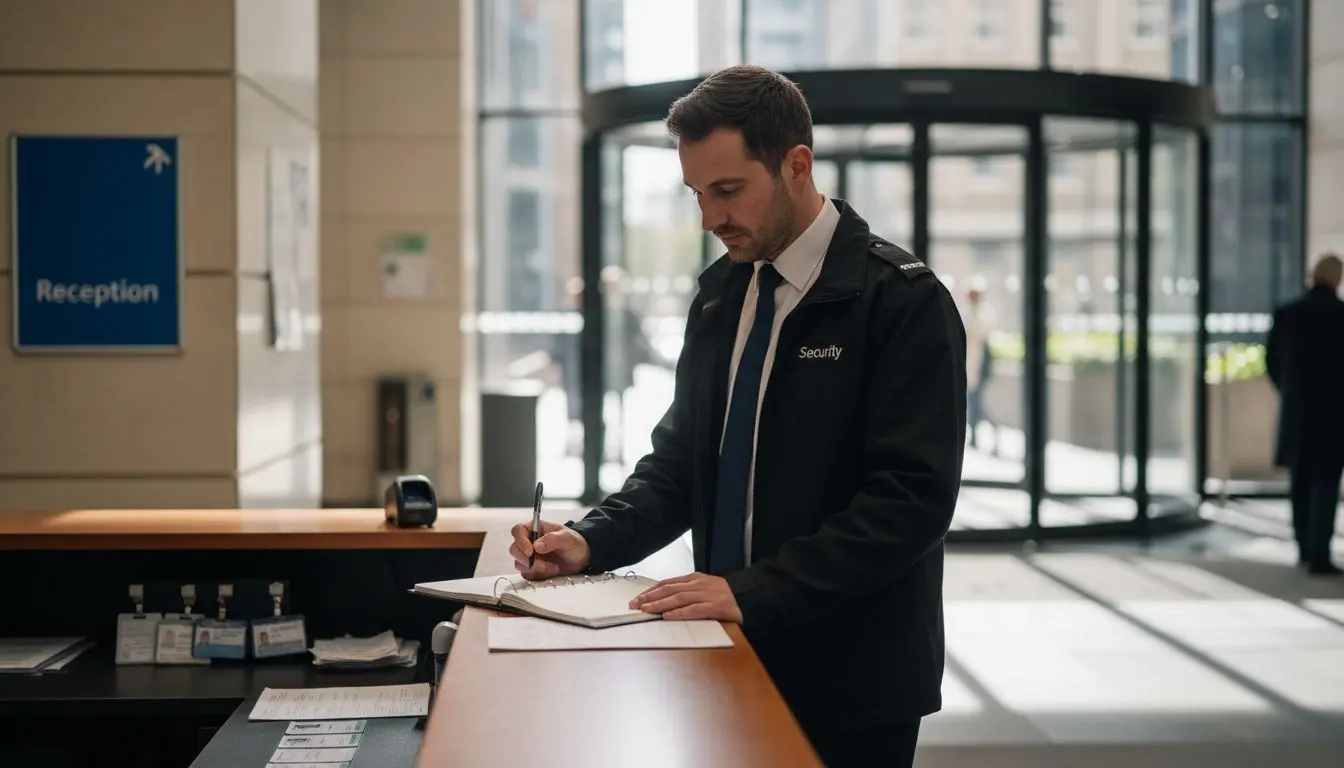
More than 300,000 people work as manned guards across the British security industry, making it one of the most accessible routes for newcomers seeking steady careers. For many entry-level applicants, understanding what manned guarding involves can open doors to respected jobs with real responsibility and public trust. This overview reveals how trained professionals protect workplaces and communities while showing you the first steps to becoming part of this growing British sector.
Table of Contents
- What Manned Guarding Is In UK Security
- Types Of Manned Guarding Roles And Sites
- Core Duties And Day-To-Day Responsibilities
- SIA Licensing And Legal Job Requirements
- Risks, Challenges, And Professional Conduct
Key Takeaways
| Point | Details |
|---|---|
| Manned Guarding Importance | Manned guarding is essential for physical security in the UK, combining human oversight with technology for effective asset protection. |
| Diverse Roles | Security guards fulfil varied roles across sectors, requiring specific skills and knowledge tailored to distinct environments. |
| SIA Licensing | Compliance with SIA licensing is mandatory, ensuring security personnel meet professional standards for public safety. |
| Ethical Conduct | Maintaining ethical standards and situational awareness is critical for professional integrity and effective security operations. |
What Manned Guarding Is In UK Security
Manned Guarding represents a critical component of physical security infrastructure in the United Kingdom, encompassing trained personnel who provide direct protective services across various settings. These security professionals are responsible for safeguarding assets, property, and people through active monitoring and preventative measures.
At its core, manned guarding involves deploying trained individuals to specific locations where their visible presence serves as both a deterrent and active security mechanism. Security guards integrate human judgment with technological systems like CCTV and alarm networks, offering a comprehensive approach to protection that automated systems cannot match. Security guards protect assets through enforced preventative measures, ensuring immediate response capabilities that combine professional training with real-time decision-making.
The roles of manned guards are diverse and context-specific. In defence establishments like the Ministry of Defence Guard Service, guards might handle tasks ranging from access control and patrols to sophisticated responsibilities such as helicopter marshalling and first aid support. Their duties extend beyond simple surveillance, requiring a nuanced understanding of security protocols, emergency response techniques, and situational awareness.
Professional Tip: Always verify a security guard’s credentials and training certification before engaging their services, as professional qualifications significantly impact the quality of protection provided.
Types Of Manned Guarding Roles And Sites
The United Kingdom’s security industry encompasses a diverse range of manned guarding roles designed to address specific organisational and sector-specific security requirements. Security guard services are strategically tailored to meet varied site needs and environmental challenges, ensuring comprehensive protection across multiple settings.
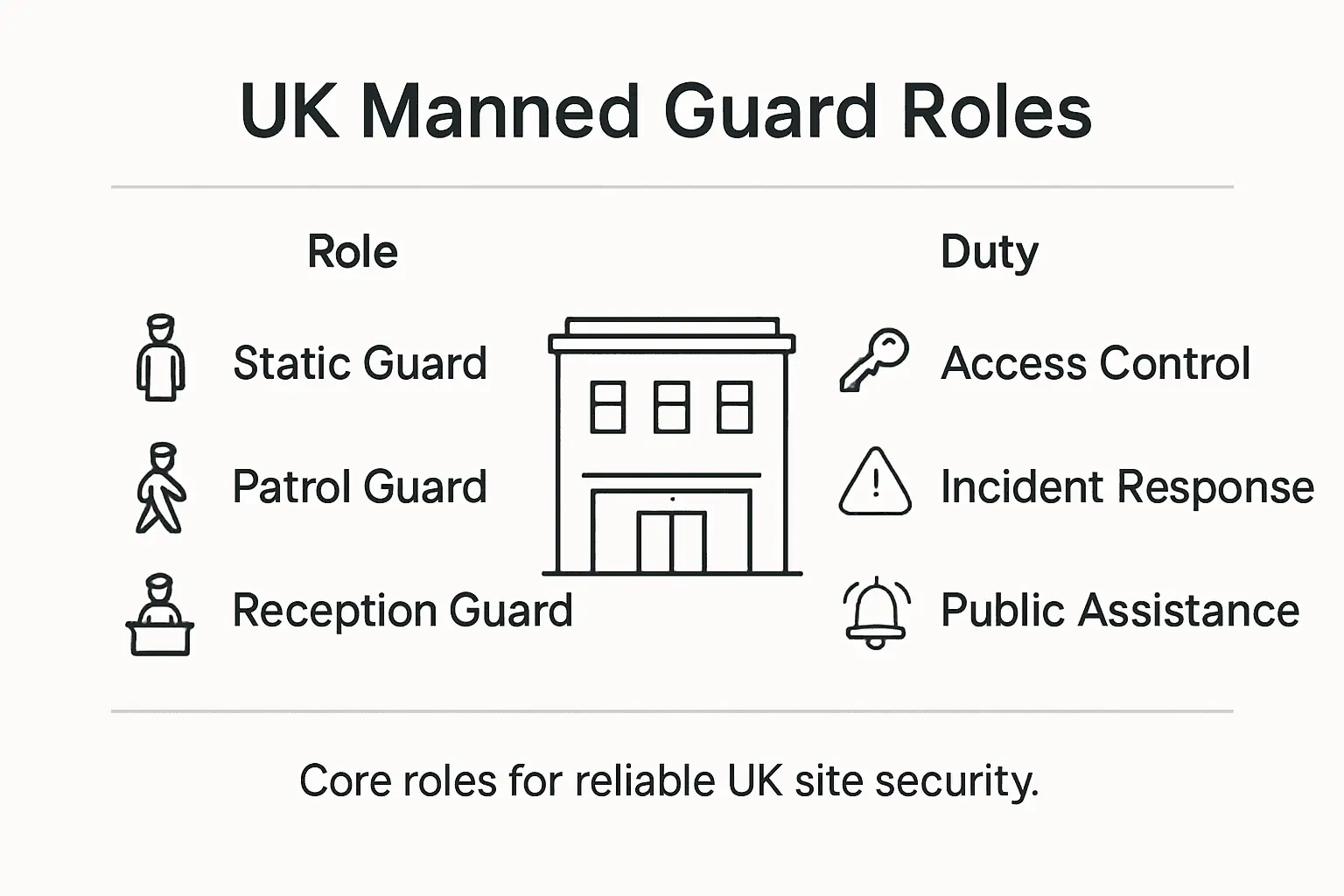
These roles can be broadly categorised into several key types. Static security guards maintain fixed positions at entrances, reception areas, and critical infrastructure points, providing continuous surveillance and access control. Mobile patrol guards offer dynamic protection by moving between multiple locations, making them ideal for large industrial estates, residential complexes, and expansive property portfolios. Other specialised roles include front-of-house security, CCTV monitoring, and sector-specific security personnel trained for unique environments.
Sector-Specific Manned Guarding spans multiple industries, including corporate offices, healthcare facilities, educational institutions, retail spaces, transportation hubs, banking environments, and public sector organisations. Each sector requires guards with distinct skill sets and risk management approaches, ensuring targeted protection strategies that address specific operational challenges and potential security threats.
Here is a summary of key manned guarding roles and their common deployment sites in the UK:
| Guarding Role | Main Responsibilities | Typical Site Deployment |
|---|---|---|
| Static Security Guard | Access control, surveillance | Offices, entrances, banks |
| Mobile Patrol Guard | Patrol multiple locations | Industrial estates, complexes |
| Front-of-House Guard | Visitor management, reception | Corporate lobbies, hotels |
| CCTV Operator | Remote visual monitoring | Control rooms, retail parks |
| Sector Specialist | Tailored risk management | Hospitals, schools, airports |
Professional Tip: When selecting manned guarding services, carefully assess the specific security requirements of your site and seek providers offering guards with relevant sector-specific training and experience.
Core Duties And Day-To-Day Responsibilities
Manned security guards play a critical role in maintaining safety and security across various UK environments, with a comprehensive set of day-to-day responsibilities that extend far beyond simple surveillance. Guards are trained to provide a visible security presence that deters crime and responds swiftly to potential incidents, ensuring proactive protection for people and assets.
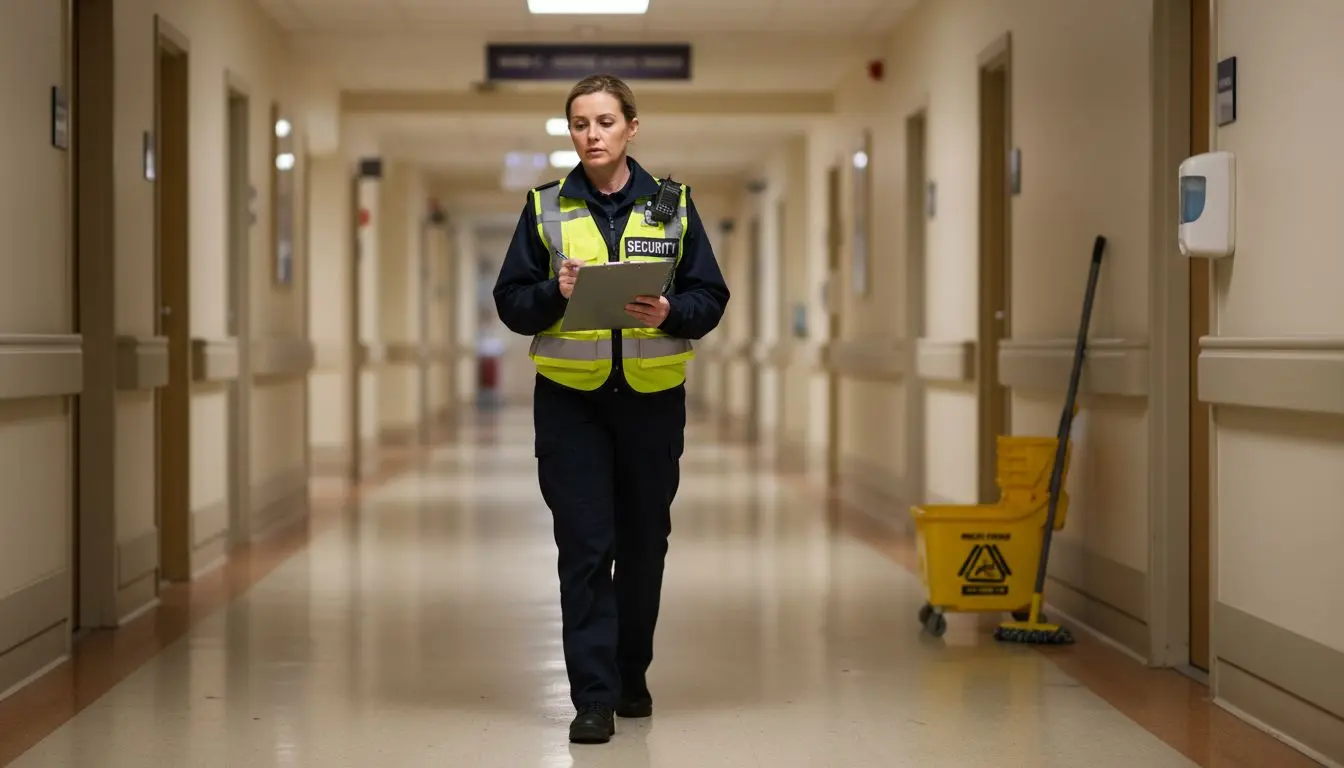
Their core duties typically involve multiple interconnected responsibilities. Manned guards are responsible for controlling access, monitoring premises, managing alarm systems, documenting incidents, and responding to emergencies, which requires a sophisticated blend of skills. This includes conducting regular patrols, maintaining vigilant observation of premises, checking identification, managing entry and exit points, and ensuring that all security protocols are consistently followed.
Beyond physical security, these professionals also serve crucial customer service and communication functions. They often act as first points of contact, providing assistance to visitors, managing potential conflicts, coordinating emergency procedures, and maintaining detailed incident reports. Their role demands exceptional situational awareness, clear communication skills, and the ability to remain calm and professional under potentially challenging circumstances.
Professional Tip: Always maintain a detailed log of your daily activities and any unusual occurrences, as this documentation can be crucial for future security assessments and potential investigations.
SIA Licensing And Legal Job Requirements
Security Industry Authority (SIA) licensing represents a critical legal requirement for professionals seeking to work in manned guarding roles across the United Kingdom. The SIA serves as the statutory regulator for the private security industry, mandating compulsory licensing for security personnel performing designated activities, ensuring that only qualified and certified individuals can legally operate in security positions.
The licensing process covers multiple security roles including security guarding, door supervision, CCTV operation, close protection, and cash transport. Operating without a valid SIA licence is considered a criminal offence, with significant legal penalties for non-compliance. Professionals must complete specific training programmes and meet rigorous standards that demonstrate their capability to provide professional security services and protect public safety.
The following table outlines differences between SIA-licensed and unlicensed security roles:
| Aspect | SIA-Licensed Guard | Unlicensed Security Role |
|---|---|---|
| Legal Work Status | Fully legal and compliant | Unlawful, risk of prosecution |
| Training Standard | Professionally accredited | Informal or unverified |
| Public Trust Level | High, regulated by authority | Low, lacks formal oversight |
| Career Development | Access to renewals, upskilling | Limited, no formal progression |
As of April 2025, the SIA licence renewal process will incorporate mandatory refresher training focused on updated security practices and emergency first aid qualifications. These enhanced requirements ensure that security professionals remain current with evolving technological and security landscape challenges. Door supervisors and security guards must now additionally prove Emergency First Aid at Work (EFAW) certification, reflecting the industry’s commitment to maintaining high professional standards and public trust.
Professional Tip: Always keep your SIA licence documentation current and complete mandatory refresher training well before your renewal date to avoid potential legal complications in your security career.
Risks, Challenges, And Professional Conduct
Professional conduct in manned guarding is a complex landscape that requires exceptional situational awareness and ethical decision-making. Risk mitigation encompasses identifying potential security challenges and implementing strategic controls to reduce likelihood and impact, demanding a comprehensive approach to security management.
The deployment of security personnel involves multiple nuanced challenges, particularly when considering scenarios involving potential confrontation or high-risk environments. Armed security deployments require careful risk assessment to ensure only qualified, trained personnel are integrated into security strategies, with significant legal and reputational considerations at stake. Professional guards must navigate these complex situations while maintaining composure, adhering to strict protocols, and prioritising public safety.
Ethical conduct forms the cornerstone of effective security operations. This means maintaining strict professional standards, demonstrating impartiality, protecting individual rights, and responding to situations with proportionate and measured actions. Guards must consistently balance their protective responsibilities with legal and moral obligations, understanding that their role extends beyond physical security to include maintaining public trust and representing their organisation with integrity.
Professional Tip: Develop a personal code of conduct that goes beyond mandatory training, focusing on continuous professional development and maintaining the highest standards of ethical behaviour in all security interactions.
Unlock Your Career In Manned Guarding With The Security Jobs Board
Understanding the vital roles and strict legal requirements involved in Manned Guarding highlights the importance of working with professional, SIA-licensed employers who value skill and conduct. If you are aiming to find security roles tailored to your expertise—whether as a static guard, mobile patrol, or sector specialist—the challenge often lies in connecting with the right employers who recognise your qualifications and dedication to professional standards.

Take control of your security career today by exploring tailored job opportunities on the Security Jobs Board. Create your profile, upload your CV, and gain access to trusted security employers who prioritise SIA compliance and ongoing training. Don’t miss out on roles that match your unique skill set and commitment to excellence—visit Security Jobs Board now and start applying to vacancies that elevate your professional journey in UK security.
Frequently Asked Questions
What is manned guarding in UK security?
Manned guarding involves deploying trained security personnel to provide protective services and safeguard assets and people through active monitoring and preventative measures.
What are the main responsibilities of a static security guard?
Static security guards are responsible for access control, surveillance, and monitoring specific locations such as entrances, reception areas, and critical infrastructure points.
How does the SIA licensing affect a security guard’s role?
SIA licensing is a legal requirement for security personnel in the UK, ensuring that only qualified individuals can operate in manned guarding roles. Licensed guards must complete specific training and adhere to professional standards.
What types of sites typically use manned guarding services?
Manned guarding services are commonly deployed in various settings including corporate offices, healthcare facilities, educational institutions, retail spaces, and transport hubs, addressing specific security needs and challenges.


