Entry-level security jobs in the UK: your complete guide
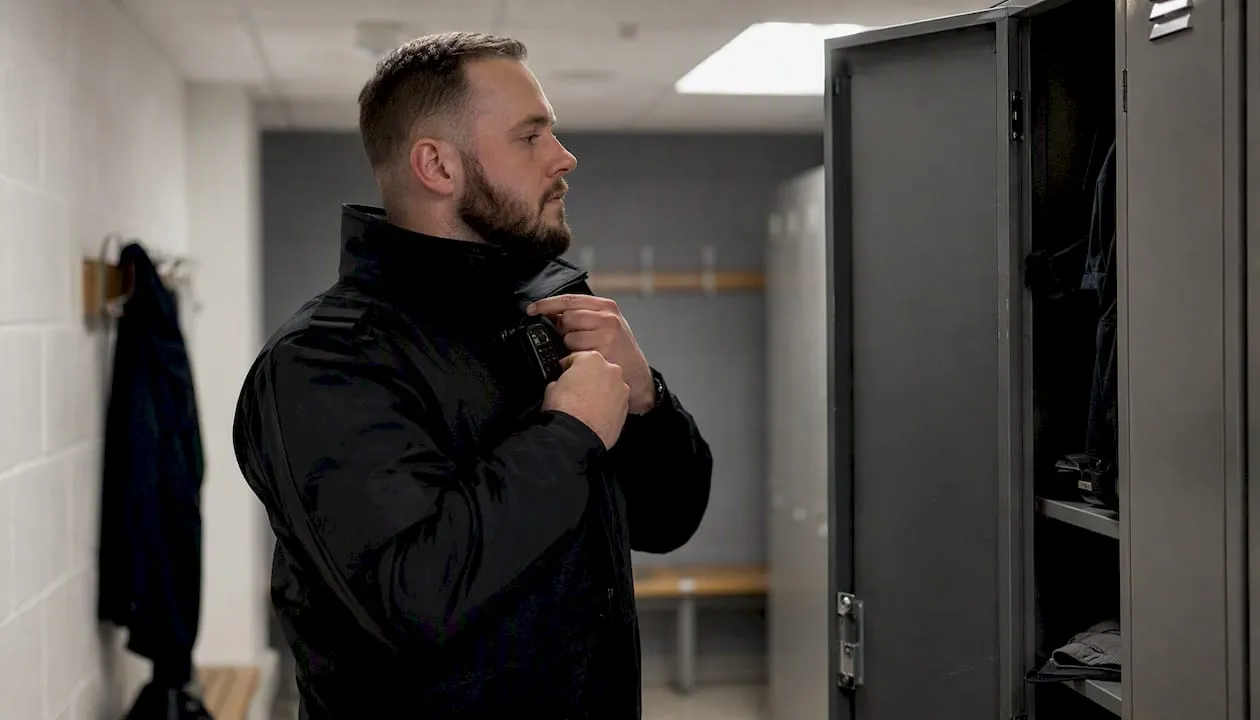
An entry-level physical security job is frontline work as a security guard, door supervisor, event steward, or CCTV operator. Most contracted roles require you to hold a valid SIA front-line licence before you start paid work, and you must be at least 18 years old. Two things to do right now: check whether your target role needs an SIA licence on GOV.UK, and confirm your first aid certificate has at least 12 months’ validity before you book any training.
Key takeaways
Entry-level physical security roles in the UK require an SIA front-line licence for most contracted positions, a valid first aid certificate before training, and a completed enhanced background check before work begins.
| Point | Details |
|---|---|
| SIA licence is mandatory | Most contracted frontline roles require the correct SIA licence before you accept paid work. |
| First aid comes first | You need a valid first aid certificate with at least 12 months remaining before starting licence-linked training. |
| Licence type determines scope | A Door Supervisor licence covers most SG roles; a Security Guarding licence cannot be used at licensed premises. |
| Apprenticeships remove upfront cost | The Professional Security Operative Level 2 apprenticeship typically takes 12–24 months and employers usually fund training. |
| Securityjobsboard | Free for candidates, BSIA-affiliated, and specialist-focused — search and apply at https://www.securityjobsboard.co.uk. |
Table of Contents
- Which entry-level security roles are there, and what do they involve?
- Do you need an SIA licence to work in security?
- How do you get qualified and apply for an SIA licence?
- What skills and experience do employers look for?
- What can you expect to earn, and where does the career go?
- Where do you find vacancies, and how do you apply correctly?
- Common myths and red flags to watch out for
- A recruiter’s view: what actually gets candidates hired
- Securityjobsboard: where candidates and employers connect faster
- Sources
- FAQ
Which entry-level security roles are there, and what do they involve?
Physical security covers several distinct roles, each with its own setting and daily rhythm. Knowing the difference helps you pick the one that suits you.
- Security guard/officer: Patrols premises, controls access, writes incident reports and monitors alarm systems. Common in retail, corporate offices, hospitals and industrial sites.
- Door supervisor: Manages entry to licensed venues (pubs, clubs, concert halls), conducts searches, handles conflict and checks ID. Requires a Door Supervisor (DS) licence, which also covers most security guard work.
- Event steward: Directs crowds, manages emergency evacuations and assists the public at sports grounds, festivals and exhibitions. Stewarding roles at smaller events may not require an SIA licence, but larger contracted roles often do.
- CCTV operator/control-room operative: Monitors camera feeds, logs incidents, communicates with on-site teams and liaises with police. Works in retail back offices, transport hubs and local authority control rooms.
- Key-holding operative: Responds to alarm activations out of hours, secures premises and coordinates with emergency services. Usually combined with a security guard role.
Quieter, structured environments such as corporate reception or hospital security suit candidates who prefer routine and customer interaction. Nightlife and events work is faster-paced, often physical, and demands strong conflict management skills.
Do you need an SIA licence to work in security?
For most contracted frontline roles, yes. The Security Industry Authority (SIA) requires operatives to hold the correct front-line licence before accepting paid work. The minimum age is 18.
The three main entry-level licence types differ significantly in what they permit:
| Licence | Permitted work | Key restriction |
|---|---|---|
| Door Supervisor (DS) | Licensed premises, most SG roles, physical intervention | Requires additional physical intervention training |
| Security Guarding (SG) | Manned guarding, access control, patrols | Cannot work at licensed premises (pubs, clubs) |
| Public Space Surveillance (CCTV) | Video surveillance, control-room monitoring | Does not cover physical guarding duties |
The SIA’s licence category guidance makes this distinction clear: a DS licence is the more flexible option because it covers most SG work, whereas an SG licence cannot be used at licensed venues. Many candidates choose DS from the outset for that reason.
The SIA application process follows a fixed sequence: complete an approved licence-linked qualification, pass enhanced identity and background checks, and pay the application fee. Your qualification must be recent — the SIA sets recency rules for frontline licences, so a course completed several years ago may not qualify.
How do you get qualified and apply for an SIA licence?
The route from zero to legally employable has clear steps. Follow them in order to avoid delays.
- Get a valid first aid certificate. You must hold an emergency first aid qualification with at least 12 months’ validity remaining before you can start licence-linked training. This catches many candidates off guard.
- Complete an SIA-approved licence-linked qualification. Check the SIA security guarding specification to understand what approved training must cover: roles and responsibilities, access control, personal safety, patrolling, drugs awareness and more.
- Verify your qualification appears in your SIA online account. The Gov is clear: confirm the qualification shows in your account before submitting your application. Missing this step delays everything.
- Submit your SIA application and pay the fee. Applications go through the SIA online account. Some employers who are SIA Approved Contractors will apply on your behalf or cover the fee — always ask before paying yourself.
- Pass enhanced background and identity checks. The SIA runs these automatically as part of the application.
Apprenticeship route: The Professional Security Operative Level 2 intermediate apprenticeship typically takes 12–24 months and combines on-the-job learning with the licence-linked qualification. Employers usually fund training, which removes the upfront cost. The trade-off is that you are tied to one employer during the programme, whereas paying privately gives you more flexibility.
Pro Tip: Before spending money on any training course, use the SIA criminal record indicator on GOV.UK to check whether your record is likely to affect your application. A past conviction does not automatically bar you, but knowing your position first saves significant time and expense.
For a full step-by-step walkthrough, the SIA licence application guide on Securityjobsboard covers documentation and common pitfalls.
What skills and experience do employers look for?
Security employers are not primarily looking for physical size. The qualities that get candidates hired are more straightforward.
Core attributes that appear consistently across job adverts and career guidance sources: calm conflict management, strong observation skills, customer service ability, basic IT literacy (for logging systems and CCTV software), reliability and teamwork.
Transferable experience translates well. Retail and hospitality work demonstrates customer interaction and staying composed under pressure. Manual roles show physical reliability. Armed forces or emergency services backgrounds carry obvious weight. The key is framing these on your CV in terms an employer recognises.
Strong CV bullet examples:
- “Managed customer complaints calmly during busy retail shifts, de-escalating situations without management intervention.”
- “Completed daily opening and closing checks for a 12-unit retail site, logging discrepancies and reporting to the duty manager.”
At interview, expect questions about how you have handled a difficult person, what you would do if you witnessed a colleague acting improperly, and how you manage long periods of alertness on a quiet shift. Prepare specific examples rather than general answers.
Bring to any screening: right-to-work documents, proof of address, your first aid certificate, any training certificates and two references. If you have a conviction to disclose, be straightforward. Use the SIA’s own guidance on criminal records to frame your position accurately.
What can you expect to earn, and where does the career go?
Entry-level security guard roles in the UK typically pay in the region of £11–£13 per hour, with London and large-city roles often sitting at the higher end. Door supervision at licensed venues and events work generally commands a premium, sometimes £14–£16 per hour or above, reflecting the additional licence requirement and unsociable hours.
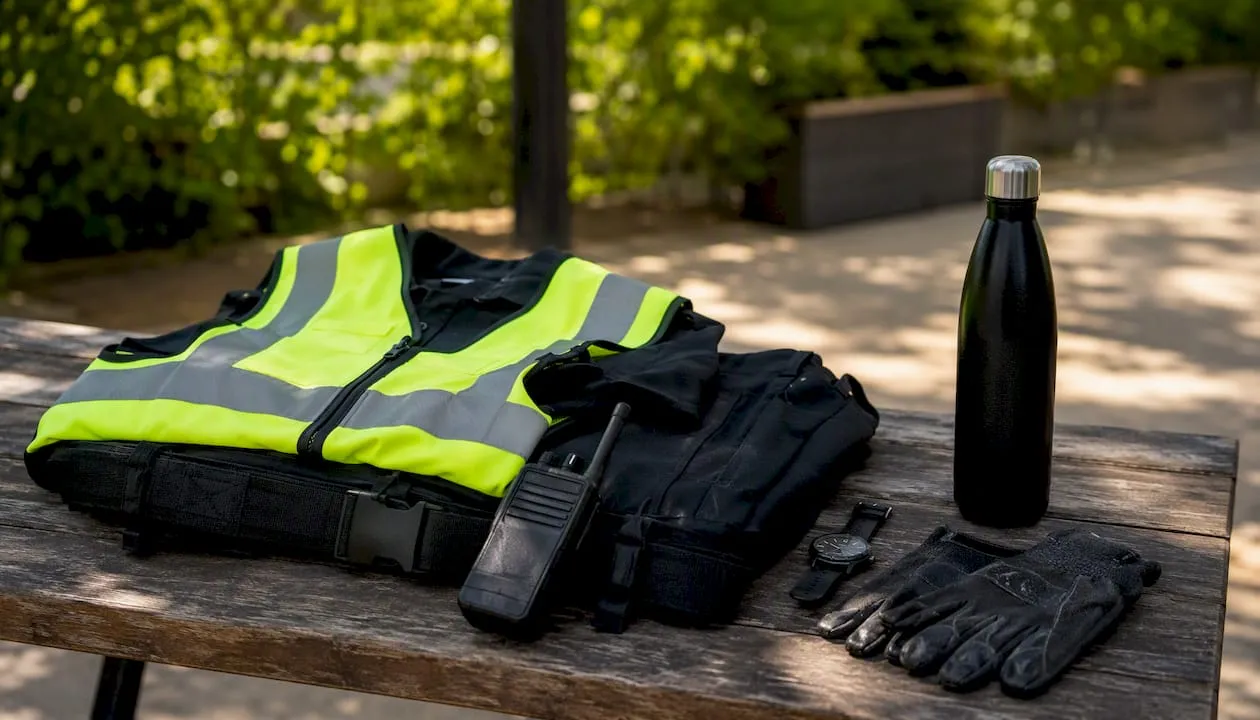
Shift patterns are worth understanding before you apply. Static daytime roles offer the most predictable schedule. Night shifts, weekend event work and on-call key-holding roles pay more but affect work-life balance significantly. Many entry-level operatives start on mixed rosters.
Career progression is straightforward once you are licensed. The typical path runs: operative to supervisor, then first-line manager, then specialist roles such as CCTV control-room manager, close protection, or cash-in-transit. Each step usually requires additional qualifications or a different SIA licence category. The SIA licence progression guide on Securityjobsboard maps these routes clearly.
Factor in upfront costs if your employer does not cover them: a licence-linked qualification, first aid course and SIA application fee together can run to several hundred pounds. Apprenticeships sidestep this entirely.
Where do you find vacancies, and how do you apply correctly?
Effective channels for entry-level security roles include specialist job boards, direct employer websites, recruitment agencies that focus on security, apprenticeship portals and event staffing platforms. Generalist boards list security roles but specialist platforms surface better-matched vacancies faster.
Use this checklist before submitting any application:
- CV tailored to the role with security-relevant bullet points.
- Right-to-work documents ready (passport or share code).
- Confirmation that your SIA qualification appears in your SIA online account.
- Valid first aid certificate with at least 12 months remaining.
- Two references (names and contact details).
- Proof of address and photo ID.
- Any additional certificates (first aid, training completions).
When reading a job advert, check three things: whether the role requires a specific SIA front-line licence, whether the employer pays for training or the SIA application, and whether the post is a contract for services (self-employed) or direct employment. These details affect your costs and your rights.
Securityjobsboard lists vacancies across all entry-level categories. Use the step-by-step job search guide for tactics on filtering and applying efficiently.
Common myths and red flags to watch out for
Myth: you can start paid security work while your licence application is pending. Fact: you must hold the correct front-line licence before accepting paid contracted work. Working without it risks fines and can affect future licence applications.
Myth: a criminal record means you cannot get licensed. Fact: the SIA assesses each case individually. Use the SIA criminal record indicator before spending money on training.
Red flags in training adverts: courses that promise a “guaranteed job” without background checks, providers who cannot confirm SIA approval, and adverts that ask for large upfront fees before any contract is signed. Always verify a training provider is SIA-approved before paying.
Red flags in job adverts: roles that describe frontline security duties but do not mention an SIA licence requirement, employers who are vague about who pays for training, and adverts that list no shift details or pay range.
Confirm any training provider’s approval status directly with the SIA. The SIA regulation overview on Securityjobsboard explains how to do this.
A recruiter’s view: what actually gets candidates hired
Applications that stand out share a few consistent qualities: certificates are current and clearly listed, the CV is specific rather than vague, and the candidate has already checked their SIA eligibility before applying. Employers lose time when candidates arrive at interview without right-to-work documents or with a lapsed first aid certificate.
For jobseekers: be honest about any convictions upfront. Employers in this sector have seen it all, and a candidate who addresses their record clearly and confidently is far easier to place than one who leaves it ambiguous.
For employers posting vacancies: state the licence requirement, who covers training costs, the shift pattern and the essential skills in the advert itself. Adverts that answer these questions attract candidates who are genuinely ready, which cuts dropout during onboarding. The security staff onboarding checklist on Securityjobsboard gives employers a practical framework for this.
Using a specialist board speeds the process on both sides. Candidates are already filtered by sector relevance, and employers reach an audience that understands SIA requirements rather than needing them explained from scratch.
Securityjobsboard: where candidates and employers connect faster
Finding the right entry-level security role should not mean trawling through generalist boards full of irrelevant listings. Securityjobsboard is a specialist UK platform affiliated with the British Security Industry Association (BSIA), built specifically for the security sector.

Candidates get free access to create a profile, upload a CV, set job alerts and apply directly to vacancies across all entry-level categories. Employers get a CV database of sector-relevant candidates, flexible posting plans and human support rather than an automated queue. The platform is GDPR-compliant and fully mobile-responsive.
Whether you are a candidate ready to apply or an employer looking to fill a door supervision or CCTV role quickly, visit Securityjobsboard to get started. Employers can post vacancies and browse candidates directly via the employers page. Candidates based in Northern Ireland can browse security jobs in Northern Ireland for locally relevant listings.
Sources
FAQ
Do I need an SIA licence for every security job?
Most contracted frontline roles require an SIA front-line licence. Stewarding at smaller events may be an exception, but any role involving manned guarding, door supervision or CCTV surveillance at a contracted site will almost certainly require one.
How long does it take to get an SIA licence?
The process typically takes several weeks from completing your licence-linked qualification to receiving your licence, depending on how quickly enhanced background checks are processed. Ensuring your qualification appears in your SIA online account before applying avoids the most common delay.
Can I get an SIA licence if I have a criminal record?
A criminal record does not automatically disqualify you. The SIA assesses applications individually. Use the SIA criminal record indicator on GOV.UK before paying for training to understand your likely position.
What is the difference between a Door Supervisor and a Security Guard licence?
A Door Supervisor licence permits work at licensed premises (pubs, clubs) and covers most security guard duties. A Security Guarding licence is limited to manned guarding roles and cannot be used at licensed venues.
Where is the best place to find entry-level security jobs in the UK?
Specialist platforms such as Securityjobsboard list vacancies across all entry-level categories and are filtered specifically for the security sector, which means less time spent filtering out irrelevant results compared with generalist boards.


