What Appears on a DBS Check for UK Security Jobs: police notes

A Basic DBS check shows only unspent convictions, a Standard check adds certain spent convictions and cautions, and an Enhanced check includes everything on a Standard plus relevant local police information and, where applicable, a barred list check. What actually lands on the certificate depends on filtering rules and, for Enhanced checks, police judgement. Before applying, confirm which level your role is eligible for and whether the DBS Update Service could save time later.
TL;DR:
- Different DBS check levels disclose varying amounts of criminal record information, with filtering rules applying to exclude older or minor convictions from Standard and Enhanced checks.
- Local police intelligence added to Enhanced checks depends on police relevance assessments and only provides information about the individual, not a general sweep of their life.
- The cost for a Basic DBS check is £21.50, usually processed within three days, but filtering rules are complex and must be checked directly to ensure accuracy.
- Only Standard and Enhanced certificates can be registered with the DBS Update Service, which allows for ongoing status checks with the applicant’s permission.
- Employers interpret DBS results based on role sensitivity, and minor or filtered convictions should not automatically disqualify candidates without considering context.
Table of Contents
- The four DBS check levels and what each discloses
- Spent versus unspent convictions and how filtering changes disclosure
- Why local police information can appear on an Enhanced check
- How to apply: ID, addresses and likely timings
- The DBS Update Service: status checks, permissions and limits
- How employers use DBS results and what that means for applicants
- If something is wrong: disputes, lost certificates and PNC errors
- Why clarity on DBS results matters for fair hiring
- How we support DBS-aware hiring for security roles
- FAQ
- Sources
The four DBS check levels and what each discloses
Each level of DBS check reveals a different slice of someone’s criminal record history, and knowing the difference helps you work out what a certificate will actually tell you.
- Basic check: shows unspent convictions and conditional cautions only, available for any purpose and often requested for roles with no specific legal requirement.
- Standard check: shows spent and unspent convictions, cautions, reprimands and warnings, minus anything removed under filtering rules.
- Enhanced check: includes everything a Standard check shows, plus any relevant information held by local police forces.
- Enhanced with barred list check: adds a check against the Disclosure and Barring Service’s children’s and/or adults’ barred lists, reserved for roles involving close, often unsupervised, contact with vulnerable people.
In security recruitment, the level requested tends to track the sensitivity of the role, similar to how medical courier services require higher-level checks due to the nature of their responsibilities. A retail security officer patrolling a shopping centre might only need a Basic or Standard check, while a close protection operative working near children at events, or a security guard based inside a school or care setting, would typically need an Enhanced check, sometimes with a barred list search attached. Door supervisors licensed by the SIA already go through a criminality check as part of licensing, but employers frequently still request a DBS check for additional assurance. Our guide to DBS checks for UK security jobs breaks this down further by role type.
Spent versus unspent convictions and how filtering changes disclosure
Under the Rehabilitation of Offenders Act 1974, most convictions become “spent” after a set period, meaning the person is treated as rehabilitated for most everyday purposes. A conviction being spent does not automatically mean it disappears from a DBS certificate though. Whether it shows depends on filtering.
- Filtering can remove certain old or minor convictions and cautions from Standard and Enhanced certificates once set time periods have passed.
- Specified serious offences, including those resulting in a custodial sentence, are never filtered and will always appear.
- A single conviction for a minor, non-violent offence committed many years ago, with no further offending since, is far more likely to be filtered than a recent or repeat offence.
A Basic DBS check costs £21.50 when applied for directly through GOV.UK and often completes in around 3 days, though processing times vary by case, according to GOV.UK’s guide to basic DBS checks. That figure matters for applicants weighing up the cost and speed of self-checking their own record before a job application.
If you’re unsure whether an old caution or conviction would be filtered, the safest approach is to check the current filtering rules directly rather than relying on general assumptions, since the criteria changed in November 2020 and have been refined since.
Why local police information can appear on an Enhanced check
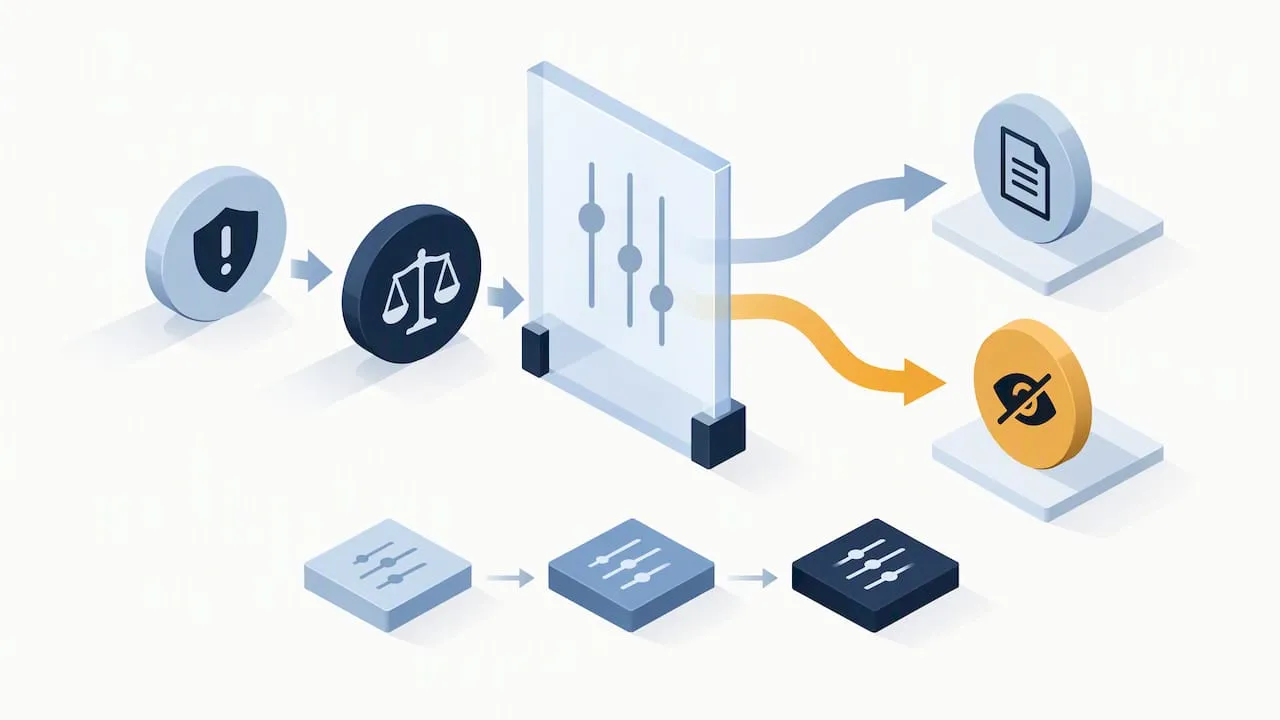
An Enhanced check draws on two distinct sources. The first is the Police National Computer, which returns convictions and cautions automatically as a matter of record. The second is local, force-held intelligence that an individual police force decides to disclose, and this is a judgement call rather than an automatic process.
Forces apply a “relevance to the workforce” test, assessing whether information is reasonably believed to be relevant to the specific role and ought to be disclosed, following an agreed national framework described in GOV.UK’s guidance on the police role in DBS checks. This might include an allegation that did not lead to a charge but is considered relevant to safeguarding, for example in a role working with vulnerable adults.
- PNC information is returned automatically as part of the certificate.
- Local intelligence is only added after an individual relevance assessment by the police force concerned.
Pro Tip: An Enhanced check is not a general sweep of someone’s life; police guidance limits relevance assessments to information about the applicant, with very narrow exceptions for roles such as foster carers.
How to apply: ID, addresses and likely timings
Your employer, or a responsible organisation acting on their behalf, will normally arrange the DBS application rather than you applying alone, using either an online or paper route.
- Gather proof of identity: a passport, driving licence and National Insurance number are the most commonly accepted documents.
- List every address you’ve lived at over the last five years, including exact dates, since gaps or mismatches are a leading cause of delay.
- Complete all declaration fields accurately, particularly the section covering convictions and cautions that would not be filtered, since the DBS application form guide notes that inaccurate answers here can hold up processing.
- Expect Basic checks to move fastest, with Standard and Enhanced checks taking longer when police forces need to carry out additional checks, as explained in GOV.UK’s application process guidance.
The DBS Update Service: status checks, permissions and limits
Standard and Enhanced certificates, though not Basic ones, can be registered with the DBS Update Service, which lets employers check whether a certificate is still current rather than requiring a brand new application every time.
- Only Standard and Enhanced certificates are eligible; Basic checks cannot be added.
- Employers must see the applicant’s original certificate, confirm identity and have explicit permission before running a status check.
- A status change flagged through the service means new information has appeared since the certificate was issued, and the applicant should request a fresh certificate to see exactly what changed.
- Subscribing costs a small annual fee and can save considerable time for anyone moving between security roles frequently, though it’s worth weighing against how often you expect to need fresh checks.
How employers use DBS results and what that means for applicants
A DBS certificate only reports what the law allows it to show. Deciding whether someone is suitable for a role remains entirely the employer’s responsibility, not something the certificate decides for them.
- Employers should ask for context before ruling someone out, since a single old conviction rarely tells the whole story.
- Relevance to the specific role matters more than the existence of a record alone.
- Treating filtered or protected information as if it were disclosable is not lawful, and employers must handle any DBS data under data-protection obligations covering storage, access and retention.
Pro Tip: If a check reveals something you weren’t expecting to discuss, offering context, references or evidence of rehabilitation upfront tends to go further with a reasonable employer than staying silent.
Our guide to pre-employment checks for UK employers covers how DBS results fit alongside other screening steps.
If something is wrong: disputes, lost certificates and PNC errors
- If a certificate shows something unexpected, contact the employer and the DBS promptly rather than letting the application stall.
- A lost certificate cannot be reissued, so you’ll need to apply for a brand new check through the same route as the original application.
- If you believe PNC information is inaccurate, you can request a correction directly through the police force that holds the record, though this can take several weeks to resolve.
Why clarity on DBS results matters for fair hiring
Working across security recruitment, we’ve seen how often a DBS certificate is misread, whether that’s an employer assuming a filtered caution should count against someone, or a candidate panicking over wording they don’t understand. Clearer interpretation on both sides means fewer unfair rejections and faster, fairer hiring decisions.
— Rob
How we support DBS-aware hiring for security roles

Running DBS-aware hiring well starts with reaching the right candidates in the first place. At Security Jobs Board, we focus entirely on the UK security sector, which means employers reach candidates who already understand the screening expectations of the industry. We offer job posting, standard listings, featured ads and multi-role campaign packages for employers who want to reach qualified candidates faster, alongside CV database access to help with shortlisting before a full check.
Candidates can create a profile, upload a CV and set job alerts at no cost, enabling application to roles appropriate to the DBS level held. None of this replaces proper legal advice on screening decisions, but it gives both sides a faster route to the right match. Visit the Security Jobs Board employer page to post a vacancy or browse CV access options today.
FAQ
What happens if I lost my DBS certificate?
A lost certificate cannot be reissued or reprinted by the DBS, so you’ll need to apply for a completely new check through the same employer or responsible organisation route used originally. Keeping a digital copy of any future certificate avoids this problem.
How can I check my criminal record in the UK?
You can apply for a Basic DBS check yourself directly through GOV.UK, which costs £21.50 and typically takes around 3 days, though processing can occasionally take longer. This shows your own unspent convictions and cautions.
What is involved in DBS check?
A DBS check involves submitting identity documents, five years of address history and a declaration form, which is then checked against the Police National Computer and, for Enhanced checks, local police intelligence. The application process is usually arranged by your employer rather than applied for independently.
Does a DBS check show employment history?
No, a DBS check only discloses criminal record information such as convictions, cautions and, where relevant, police intelligence or barred list status. Employment history is verified separately through references and other pre-employment checks, such as those covered in our guide to pre-employment checks.


