Physical Surveillance Explained: Key Skills for UK Security

Every british security professional starting their career quickly discovers how vital physical surveillance skills are to success. With industries reporting that over 65 percent of all security incidents involve direct observation, new entrants need practical knowledge to stand out. Understanding the core concepts, types, and legal boundaries of physical surveillance will help you operate confidently within the United Kingdom’s demanding security sector and lay a strong foundation for advancement.
Table of Contents
- Defining Physical Surveillance And Key Concepts
- Main Types Of Physical Surveillance Techniques
- Legal Standards Governing UK Surveillance
- Essential Skills And Training Requirements
- Common Risks And Professional Boundaries
Key Takeaways
| Point | Details |
|---|---|
| Understanding Physical Surveillance | Involves systematic observation of individuals and activities, requiring skills in documentation and strategic positioning. |
| Types of Surveillance Techniques | Key techniques include static, mobile, and covert observation, each necessitating distinct skill sets and environments. |
| Legal Compliance | Operatives must adhere to UK laws like RIPA and the Data Protection Act, ensuring surveillance is justified, proportionate, and documented. |
| Essential Skills | Professionals should cultivate technical competence, emotional intelligence, and effective communication for successful surveillance operations. |
Defining Physical Surveillance and Key Concepts
Physical surveillance represents a systematic approach security professionals use to observe and monitor individuals, locations, or activities within specific spatial boundaries. At its core, physical surveillance involves direct human observation and strategic positioning to gather intelligence and assess potential risks. Understanding surveillance theories reveals that this practice extends beyond mere watching, encompassing sophisticated techniques of spatial monitoring and information gathering.
The fundamental components of physical surveillance include strategic positioning, detailed documentation, and methodical tracking of subjects’ movements and interactions. Security professionals must develop keen observational skills, remain undetected, and maintain comprehensive records of their observations. Key techniques involve maintaining appropriate distances, using concealment strategies, and understanding environmental dynamics that might impact surveillance effectiveness.
Physical surveillance operates through several distinct methodological approaches. Static surveillance involves monitoring a specific location from a fixed point, allowing operatives to document activities without moving. Mobile surveillance requires tracking subjects across different geographical areas, demanding high levels of adaptability and situational awareness. Each approach requires unique skill sets and technical competencies, with professionals needing to understand the legal and ethical boundaries of their observations.
Pro tip: Always maintain a professional logbook documenting times, locations, and observable events during physical surveillance assignments to ensure accurate and defensible reporting.
Main Types of Physical Surveillance Techniques
Physical surveillance encompasses multiple sophisticated techniques designed to gather critical intelligence while maintaining operational discretion. Counterintelligence surveillance methods reveal a range of strategic approaches that security professionals can deploy depending on specific operational requirements and environmental contexts.
The primary types of physical surveillance include static surveillance, mobile surveillance, and covert observation. Static surveillance involves positioning operatives at fixed locations to monitor specific areas or targets without movement. This technique is particularly effective in environments like building perimeters, entry points, or controlled zones where consistent observation provides comprehensive intelligence. Mobile surveillance, by contrast, requires tracking subjects across multiple locations, demanding high mobility, adaptability, and advanced tracking skills from the surveillance team.
Covert observation represents a more nuanced approach, where professionals blend into the environment to minimise detection while gathering intelligence. This technique requires exceptional situational awareness, precise disguise capabilities, and the ability to document observations without arousing suspicion. Professionals must master techniques such as indirect observation, using reflective surfaces, strategic positioning, and maintaining natural behavioural patterns that prevent targets from recognising surveillance activity.
Pro tip: Always develop multiple observation points and rotation strategies to prevent potential detection and maintain surveillance effectiveness during extended monitoring missions.
The following table compares key physical surveillance techniques and their unique requirements:
| Technique | Typical Environment | Required Skill Set | Discretion Level |
|---|---|---|---|
| Static Surveillance | Fixed sites, entryways | Detailed observation, patience | Moderate |
| Mobile Surveillance | Public spaces, outdoors | Adaptability, rapid movement | Variable |
| Covert Observation | Crowds, sensitive areas | Disguise, blending, indirect viewing | High |
Legal Standards Governing UK Surveillance
Legal frameworks in the United Kingdom establish rigorous standards governing physical surveillance, balancing the need for security with individual privacy rights. Security screening practices are fundamentally regulated by key legislative instruments that define the boundaries of acceptable surveillance conduct. These legal standards primarily derive from the Regulation of Investigatory Powers Act (RIPA), the Data Protection Act, and the Human Rights Act, which collectively provide a comprehensive framework for lawful monitoring.
Under UK law, physical surveillance must meet several critical legal criteria to be considered legitimate. Operatives must obtain appropriate authorisation, demonstrate proportionality in their approach, and ensure that any information gathering is strictly necessary for a legitimate purpose such as preventing crime, protecting national security, or maintaining public safety. This means surveillance activities cannot be arbitrary or invasive without substantial justification. Organisations must maintain detailed documentation demonstrating the legal basis for their surveillance, including precise records of authorisation, scope, and potential privacy implications.
The legal landscape surrounding surveillance is complex and dynamic, with ongoing tensions between security requirements and individual privacy protections. Professional security practitioners must navigate these nuanced regulations carefully, understanding that inappropriate or excessive surveillance can result in significant legal consequences. This includes potential civil litigation, regulatory penalties, and professional disciplinary actions. Modern surveillance professionals are expected to develop a sophisticated understanding of legal boundaries, combining technical skills with robust ethical and legal knowledge.
Pro tip: Always consult legal counsel and maintain comprehensive documentation to ensure your surveillance activities remain fully compliant with current UK regulatory standards.
To clarify the legal dimensions, here is a summary table of UK surveillance regulations:
| Legislation | Primary Purpose | Impact on Surveillance | Penalties for Breach |
|---|---|---|---|
| RIPA | Regulation of investigations | Defines lawful surveillance | Fines, criminal charges |
| Data Protection Act | Information privacy | Limits data gathering methods | Enforcement notices, fines |
| Human Rights Act | Protects individual rights | Restricts excessive intrusion | Civil litigation, injunctions |
Essential Skills and Training Requirements
Professional physical surveillance requires a comprehensive skill set that combines technical proficiency, psychological acuity, and legal understanding. Security screening practices demand a multifaceted approach to training that goes beyond traditional observational techniques. Aspiring surveillance professionals must develop a sophisticated blend of hard and soft skills that enable effective intelligence gathering while maintaining strict ethical and legal standards.
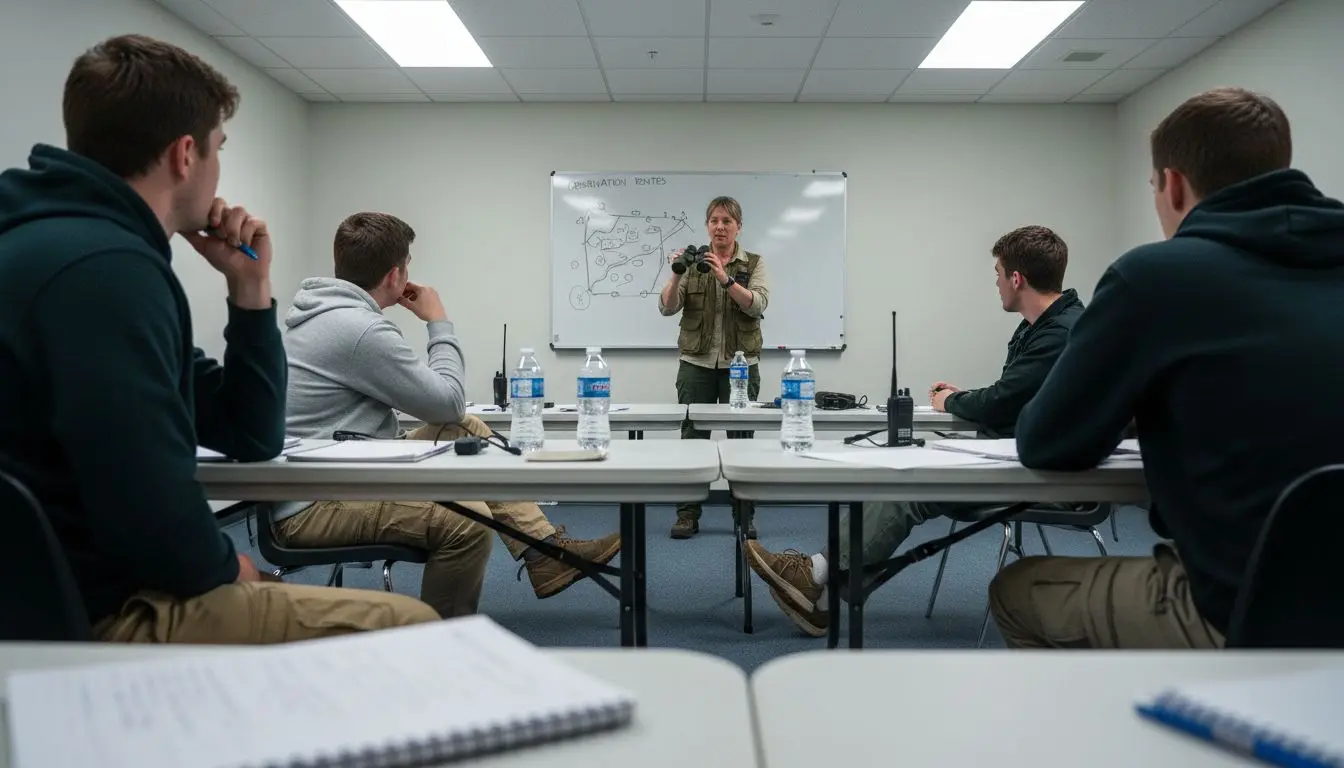
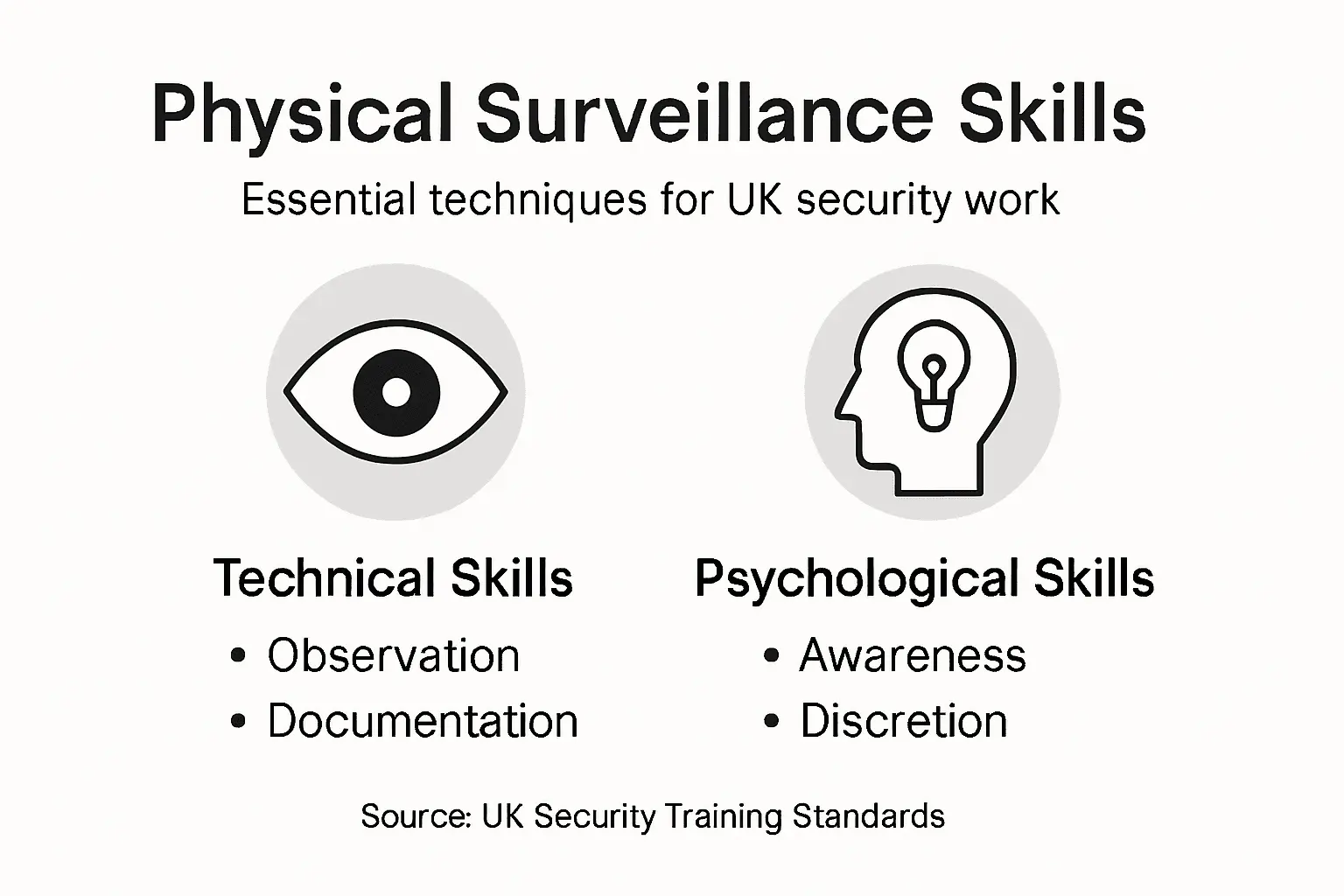
The core technical skills for surveillance operatives include advanced observation techniques, situational awareness, detailed documentation, and technological competence. Professionals must master skills such as discreet movement, environmental blending, photographic and video documentation, and proficient use of surveillance equipment. Physical fitness and mental resilience are equally critical, as surveillance work often involves extended periods of stationary observation, rapid situational adaptation, and psychological stress management. Training programmes typically incorporate practical scenarios that simulate real-world surveillance challenges, allowing candidates to develop muscle memory and intuitive decision-making capabilities.
Psychological skills represent another crucial dimension of surveillance expertise. Operatives must develop exceptional emotional intelligence, enabling them to read body language, anticipate subject movements, and maintain composure under pressure. Communication skills are paramount, with professionals needing to compile precise reports, interact professionally when required, and maintain operational secrecy. Many advanced training programmes now include modules on human psychology, communication strategies, and ethical decision-making to ensure operatives can navigate complex interpersonal and professional landscapes effectively.
Pro tip: Continuously update your skills through professional development courses and maintain a diverse portfolio of practical experiences to remain competitive in the surveillance industry.
Common Risks and Professional Boundaries
Physical surveillance professionals operate within a complex landscape of legal and ethical challenges that require meticulous attention to professional boundaries. Legal risks in surveillance practices encompass a range of potential pitfalls that can compromise both operational effectiveness and legal compliance. Understanding these risks is crucial for maintaining the integrity of surveillance operations and protecting both the subject’s rights and the organisation’s reputation.
Key risks in physical surveillance include potential privacy violations, unlawful information gathering, and inappropriate personal intrusion. Surveillance operatives must maintain strict professional boundaries, ensuring that their monitoring activities remain proportionate, necessary, and legally justified. This requires a nuanced understanding of legal frameworks, including precise knowledge of what constitutes acceptable observation versus invasive tracking. Professionals must constantly evaluate the legitimacy of their actions, considering factors such as consent, public versus private spaces, and the specific purpose of their surveillance mission.
Psychological and ethical risks represent another critical dimension of surveillance work. Operatives can experience significant professional stress from prolonged observation, potential moral dilemmas, and the psychological burden of maintaining operational secrecy. There are inherent risks of becoming over-invested in surveillance targets, breaching personal boundaries, or misusing gathered information. Maintaining professional detachment, adhering to strict ethical guidelines, and regular psychological support are essential strategies for managing these complex psychological challenges and preventing potential misconduct.
Pro tip: Develop a personal ethical code that goes beyond legal requirements, regularly review your operational boundaries, and seek professional supervision to maintain psychological and professional integrity.
Elevate Your Career in Physical Surveillance with Expert Support
Physical surveillance demands a unique combination of skills, legal understanding, and ethical awareness to succeed in the UK security sector. If you are ready to apply your expertise in static, mobile, or covert surveillance techniques and navigate complex legal standards confidently, it is crucial to connect with employers who value your specialised talent. On The Security Jobs Board, you will find tailored opportunities that match your qualifications while helping you stay compliant with UK regulations.

Take control of your professional journey now. Create your profile, upload your CV, and set personalised job alerts on The Security Jobs Board homepage to access exclusive security sector roles designed for skilled surveillance professionals. Don’t miss your chance to join a trusted platform affiliated with the BSIA, where your career growth and legal compliance matters. Visit The Security Jobs Board today and make your move towards a secure and rewarding future.
Frequently Asked Questions
What are the key techniques used in physical surveillance?
The primary techniques in physical surveillance include static surveillance, mobile surveillance, and covert observation, each requiring specific skill sets and adaptability to gather intelligence effectively.
What skills are essential for a professional in physical surveillance?
Essential skills include advanced observation techniques, situational awareness, detailed documentation, emotional intelligence, and proficiency in using surveillance equipment while adhering to ethical standards.
How does UK law regulate physical surveillance activities?
UK law regulates physical surveillance through frameworks like the Regulation of Investigatory Powers Act, the Data Protection Act, and the Human Rights Act, requiring proper authorisation and protection of individual privacy rights.
What are the common risks associated with physical surveillance?
Common risks include potential privacy violations, unlawful information gathering, and psychological stress, which necessitate maintaining professional boundaries and adhering to legal and ethical guidelines.
Recommended
- Why Choose Security Jobs: Complete Guide UK | Brainiac Media
- What Is Security Patrol and Why It Matters UK | Brainiac Media
- The Essential Guide to Choosing the Security Industry|BM
- 7 Steps to a Complete Security Job Description Checklist|BM
- Essential Tourist Safety Tips Oxford: Stay Secure on Tour - Walking tours of oxford


