What Is Close Protection and Why It Matters

Thriving in a british security career often means adapting to new challenges and roles. With the United Kingdom’s close protection sector seeing steady growth and increasing demand for licensed professionals, many experienced security specialists are exploring career shifts into this dynamic field. For those ready to sharpen their expertise, understanding close protection job requirements and mastering industry best practices opens the door to higher standards of responsibility and professional recognition.
Table of Contents
- Defining Close Protection In The UK
- Types Of Close Protection Roles And Tasks
- Essential Qualifications And Legal Requirements
- Day-To-Day Duties And Professional Standards
- Risks, Liabilities And Common Pitfalls
Key Takeaways
| Point | Details |
|---|---|
| Close Protection Definition | Close Protection in the UK focuses on ensuring personal safety against physical threats through trained security professionals. |
| Role Specialisation | Close Protection Officers perform various roles, including bodyguarding, secure transportation, and emergency medical response. |
| Legal Compliance | To operate legally, professionals must comply with the Security Industry Authority regulations, including obtaining the SIA Licence through recognised training. |
| Risk Awareness | Close Protection Operatives must be vigilant about potential risks, utilising sound judgement and ongoing training to navigate complex security scenarios effectively. |
Defining Close Protection in the UK
Close Protection in the United Kingdom represents a specialised security discipline focused on safeguarding individuals from potential physical threats. At its core, Close Protection involves providing comprehensive personal security services designed to protect clients against risks such as assault, kidnapping, or targeted criminal activities. The Security Industry Authority regulates close protection operatives under strict professional standards established by the Private Security Act 2001.
Professional Close Protection Officers are trained to conduct detailed risk assessments and implement strategic protective measures across diverse environments. Their responsibilities extend far beyond simple physical guarding, encompassing comprehensive threat analysis, advanced situational awareness, and proactive security management. These professionals must anticipate potential dangers, develop rapid response strategies, and maintain constant vigilance to ensure their principal’s safety in both static and mobile scenarios.
The role requires exceptional skills including advanced threat detection, precise risk profiling, and the ability to make rapid, calculated decisions under pressure. Close Protection Operatives must possess not only physical capabilities but also strong communication skills, cultural sensitivity, and discretion. Government security frameworks emphasise comprehensive threat prevention that goes well beyond traditional security paradigms.
Pro tip: When considering a career in close protection, invest in continuous professional development and obtain recognised certifications from reputable security training institutions to enhance your credibility and employability.
Types of Close Protection Roles and Tasks
Close Protection Officers (CPOs) specialise in multiple strategic roles that go beyond traditional security work. Security professionals execute diverse protection strategies including bodyguarding, security chauffeuring, and tactical first aid services. These roles require professionals to adapt quickly to different client needs, threat environments, and potential risk scenarios.
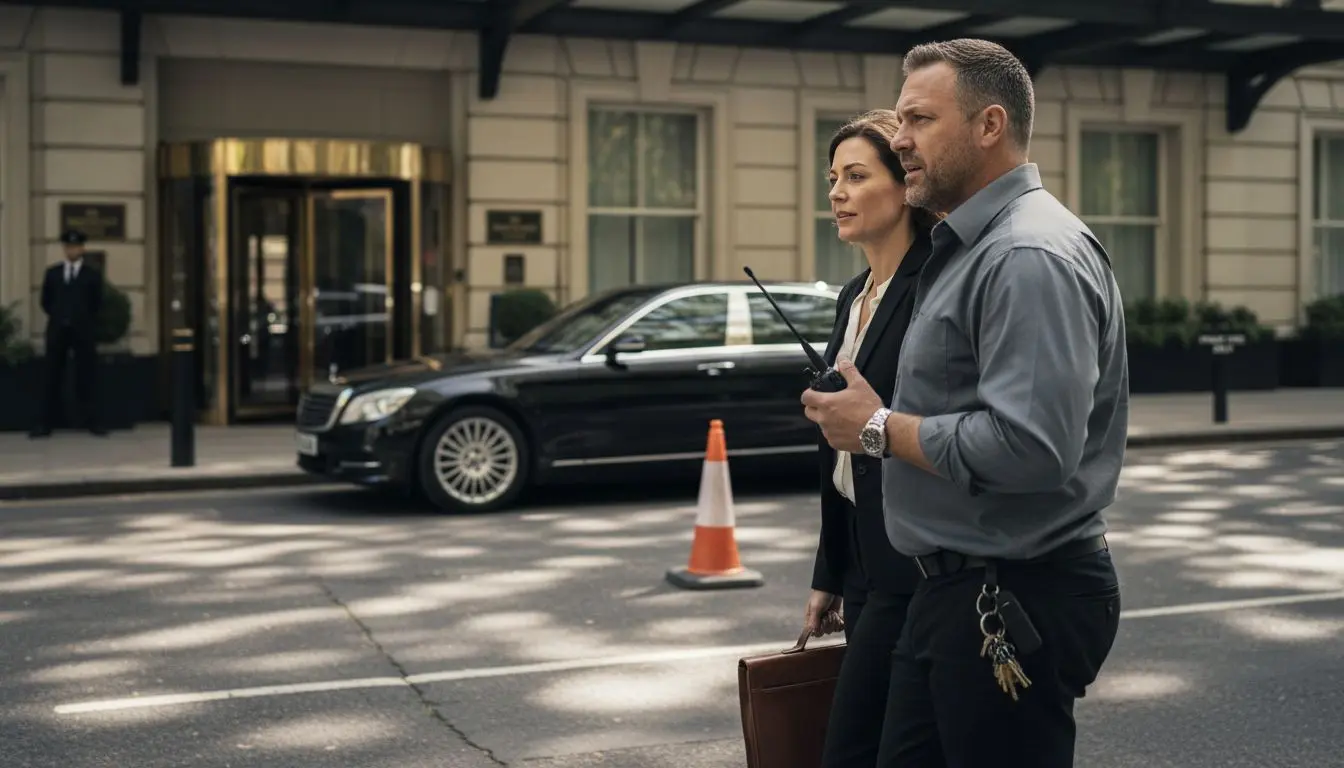
The primary roles within close protection can be categorised into several specialised functions. Bodyguards focus on direct physical protection, managing crowd interactions, and maintaining constant proximity to their principal. Security Chauffeurs provide secure transportation, utilising advanced driving techniques and route planning to minimise potential risks during client movement. Tactical First Aid Operatives are trained to provide immediate medical intervention, ensuring rapid response capabilities in emergency situations.
Here is a summary comparing key roles within UK Close Protection:
| Role Type | Core Focus | Typical Skill Requirement | Environment |
|---|---|---|---|
| Bodyguard | Direct physical protection | Threat detection, crowd management | Public/private |
| Security Chauffeur | Secure transport | Advanced driving, route planning | Mobile |
| Tactical First Aid | Emergency response | Medical training, quick decision | Dynamic/emergency |
Security frameworks define comprehensive protection responsibilities that extend across multiple operational domains. Close Protection Officers might work individually or as part of coordinated teams, depending on threat assessments and client requirements. Their tasks include conducting detailed risk analyses, developing secure movement protocols, managing communication systems, and implementing proactive threat mitigation strategies.

Pro tip: Develop a comprehensive skill set that combines physical fitness, advanced communication abilities, and tactical awareness to increase your effectiveness as a close protection professional.
Essential Qualifications and Legal Requirements
To work legally as a Close Protection Operative in the United Kingdom, professionals must navigate a comprehensive regulatory framework established by the Security Industry Authority (SIA). Mandatory licensing standards govern close protection work through rigorous training and certification processes. The SIA requires individuals to complete recognised training courses, demonstrating both theoretical knowledge and practical competence in personal protection strategies.
The licensing process involves several critical components. Aspiring Close Protection Operatives must successfully complete a nationally recognised qualification that covers essential areas including threat assessment, risk management, legal responsibilities, and practical intervention techniques. The SIA Licence is typically valid for three years and requires renewal, ensuring that professionals maintain current skills and knowledge. Key qualification requirements include:
- Completing an approved Close Protection training course
- Passing both theoretical and practical assessments
- Obtaining a criminal record background check
- Demonstrating physical and mental fitness for the role
- Proving right to work in the United Kingdom
Security screening processes verify professional competence through comprehensive evaluation of an operative’s capabilities. The legal framework established by the Private Security Industry Act 2001 mandates continuous professional development, ensuring that Close Protection Operatives maintain the highest standards of professional practice throughout their careers.
Pro tip: Invest in continuous professional training and maintain impeccable personal records to enhance your credibility and employability in the competitive close protection industry.
Day-to-Day Duties and Professional Standards
Professional standards define the critical responsibilities of Close Protection Operatives across diverse operational environments. These professionals must maintain exceptional situational awareness, anticipate potential threats, and execute precise protective strategies. Their daily responsibilities extend far beyond simple physical guarding, encompassing comprehensive risk management and strategic client protection.
The core duties of a Close Protection Operative typically involve multiple interconnected responsibilities:
- Conducting comprehensive advance risk assessments
- Developing detailed security protocols for client movements
- Maintaining constant situational awareness
- Managing secure transportation logistics
- Implementing immediate threat response strategies
- Preserving absolute client confidentiality
Close Protection Officers uphold rigorous professional standards that demand exceptional ethical conduct and continuous skill development. The role requires professionals to balance physical readiness with sophisticated communication skills, legal knowledge, and strategic thinking. Operational discretion remains paramount, with operatives expected to manage potentially complex and high-pressure scenarios with precision and professionalism.
Pro tip: Develop a comprehensive approach to professional development by maintaining a detailed portfolio of your skills, training certifications, and operational experiences to demonstrate your commitment to excellence in close protection.
Risks, Liabilities and Common Pitfalls
Professional risks in close protection encompass complex challenges that demand exceptional mental and physical preparedness. Close Protection Operatives face an inherently high-stakes environment where split-second decisions can determine client safety. These professionals navigate potential threats ranging from physical confrontations to sophisticated security breaches, requiring constant vigilance and strategic thinking.
The primary risks and liabilities in close protection work include:
- Potential legal consequences of inappropriate use of force
- Personal physical vulnerability during threat interventions
- Complex liability issues arising from security incidents
- Psychological stress from maintaining constant alertness
- Financial and professional repercussions of operational errors
- Potential criminal prosecution for procedural mistakes
Common professional pitfalls often emerge from inadequate training, overconfidence, or insufficient situational awareness. Professional judgment becomes critical, with operatives required to balance assertive intervention against potential legal and ethical constraints. Successful close protection professionals must continuously develop their skills, maintain exceptional physical and mental fitness, and cultivate a comprehensive understanding of legal and operational boundaries.
Below is a reference table illustrating common risks versus professional safeguards in close protection:
| Main Risk | Business/Legal Impact | Professional Safeguard |
|---|---|---|
| Use of excessive force | Legal liability, prosecution | Adherence to legal procedures |
| Security incident | Financial loss, client lawsuits | Comprehensive protocol training |
| Psychological stress | Decreased performance | Ongoing mental resilience development |
Pro tip: Invest in regular professional supervision, psychological resilience training, and comprehensive legal awareness to mitigate potential operational risks and enhance your professional effectiveness.
Take the Next Step in Your Close Protection Career Today
Understanding the demanding skills and qualifications required for close protection roles is just the beginning. Whether you are an experienced Close Protection Operative or embarking on a new security career, finding the right opportunities to put your expertise into practice can be challenging. The Security Jobs Board specialises in connecting security professionals with trusted UK employers who value your dedication, training, and professionalism.

Explore hundreds of relevant vacancies tailored to close protection and related security roles on Security Jobs Board. Create a profile, upload your CV, and set personalised job alerts to secure your next position with ease. Employers also benefit from accessing a vast pool of qualified candidates who meet strict legal and professional standards. Do not wait until the right job passes you by—take control of your career development now by visiting our main landing page. Boost your employment prospects and join a community dedicated to excellence in the UK security sector.
Frequently Asked Questions
What is Close Protection?
Close Protection refers to a specialised security service focused on safeguarding individuals from physical threats such as assault, kidnapping, or criminal activities, employing comprehensive personal security strategies.
What qualifications are necessary to become a Close Protection Operative?
To work as a Close Protection Operative, individuals must obtain a licence from the Security Industry Authority (SIA), which requires completing a recognised training course, passing assessments, and undergoing a criminal background check.
What are the main responsibilities of a Close Protection Officer?
Close Protection Officers are responsible for conducting risk assessments, developing security protocols, managing transportation logistics, and ensuring constant situational awareness to protect their clients effectively.
What are the common risks involved in Close Protection work?
Common risks include legal consequences from inappropriate use of force, personal vulnerability during interventions, psychological stress from constant alertness, and potential liability issues stemming from security incidents.
Recommended
- What Is Security Patrol and Why It Matters UK | Brainiac Media
- 7 Key Types of Security Employers in the UK Explained|BM
- Understanding the Role of Security Guards in the UK|BM
- Behind the Uniform: Understanding the Role of Security Guards Across the UK|BM
- First Responder Counseling - Dr. Stephen Oreski & Associates


