What Is CCTV Monitoring? Key Facts for UK Security
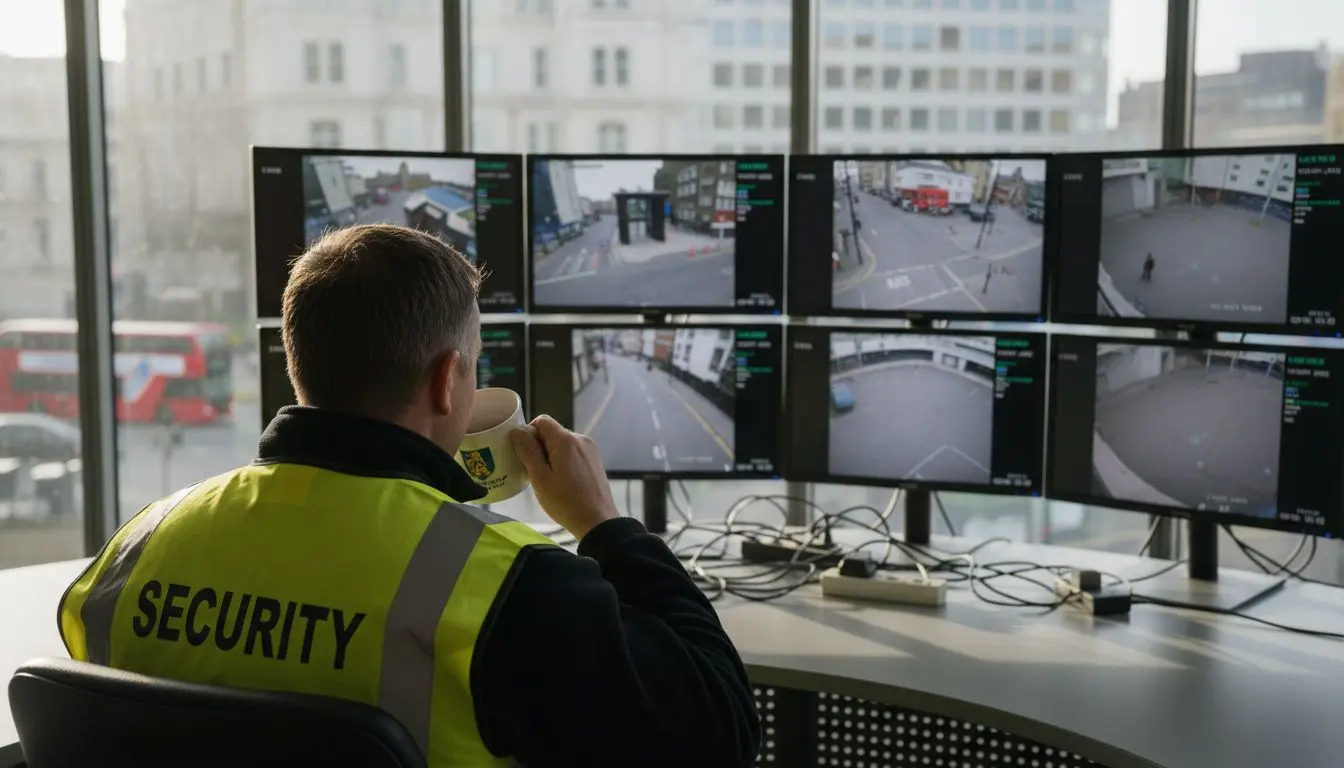
Every UK security technician stepping onto site knows the pressure that comes with monitoring high-value areas. CCTV monitoring is more than pointing cameras and hoping for the best. With a mix of traditional cameras and advanced tools like Automatic Number Plate Recognition and Facial Recognition Technology, the real challenge lies in cutting through common myths around effectiveness and privacy. Understanding how CCTV monitoring supports security when used proportionately and fairly puts you ahead in this competitive, evolving field.
Table of Contents
- CCTV Monitoring Defined And Common Myths
- Types Of CCTV Systems And Their Functions
- How CCTV Monitoring Works In Practice
- Licences, Training, And Legal Compliance
- Privacy, Risks, And Operator Responsibilities
Key Takeaways
| Point | Details |
|---|---|
| CCTV Monitoring Basics | CCTV involves using video surveillance systems for security, encompassing various technologies like ANPR and FRT for effective crime prevention. |
| Misconceptions about Effectiveness | Installing CCTV does not guarantee crime reduction; its effectiveness relies on strategic placement and integration into broader security strategies. |
| Legal Compliance is Essential | Security professionals must understand GDPR and legal frameworks to ensure lawful operation and data protection in CCTV monitoring. |
| Operator Responsibilities | Key responsibilities include managing access, maintaining system functionality, and adhering to retention policies to protect individual privacy. |
CCTV Monitoring Defined and Common Myths
CCTV monitoring refers to the use of video surveillance systems to capture and process visual data for security and crime prevention purposes. The technology encompasses traditional CCTV cameras alongside newer systems such as Automatic Number Plate Recognition (ANPR) and Facial Recognition Technology (FRT). As a security professional, you’ll encounter these systems regularly in your work, whether managing access control, reviewing footage, or maintaining equipment on-site. The core principle remains straightforward: cameras record activity in designated areas, allowing organisations to deter criminal behaviour and support investigations when incidents occur.
However, significant misconceptions surround CCTV’s actual effectiveness. Many people assume that installing cameras automatically reduces crime rates, yet the evidence for CCTV’s crime-reduction impact is far from clear-cut and remains widely debated among researchers and policy experts. Some studies show modest deterrent effects in specific settings, whilst others demonstrate negligible impact on crime prevention. What matters more is how organisations deploy the technology. A poorly positioned camera covering empty space delivers minimal value, whilst strategically placed systems monitoring high-risk areas can prove genuinely useful. CCTV works best as part of a broader security strategy, not as a standalone solution.
Another common myth centres on privacy concerns. People often worry that CCTV surveillance violates their rights, yet when systems are deployed lawfully, fairly, and transparently, they can operate within legal boundaries. The Information Commissioner’s Office (ICO) emphasises that organisations must ensure CCTV use remains proportionate and respects individual rights. This means understanding UK GDPR requirements, data retention policies, and who has access to footage. For security professionals, knowing these legal frameworks directly impacts your role and responsibilities. Many entry-level technicians overlook compliance aspects, but grasping them strengthens your professional credibility and job prospects.
The reality is this: CCTV is neither a miraculous crime-fighting tool nor an invasive surveillance menace. It’s a supporting security measure that requires proper planning, legal compliance, and realistic expectations about what it can achieve. Understanding both its capabilities and limitations positions you as a more informed and valuable security professional.
Pro tip: When interviewing for CCTV monitoring roles, mention specific examples of how proportionate camera placement supports investigation rather than just crime deterrence—this demonstrates practical understanding beyond common misconceptions.
Types of CCTV Systems and Their Functions
The CCTV systems you’ll work with fall into distinct categories, each designed for specific security purposes. Fixed cameras remain the most common type on UK installations. These stationary units point toward a predetermined area and excel at monitoring entrances, corridors, or specific assets. They’re cost-effective, straightforward to install, and require minimal maintenance compared to more complex systems. Pan-tilt-zoom (PTZ) cameras offer greater flexibility by allowing operators to remotely control the camera’s movement and zoom capabilities. This means one PTZ camera can cover a wider area than multiple fixed cameras, making it invaluable in large warehouses, car parks, or perimeter monitoring. Mobile cameras provide temporary surveillance solutions and work well during events, construction sites, or emergency response situations. Beyond these traditional options, modern installations increasingly feature network IP CCTV systems, which transmit footage digitally over internet protocols rather than through traditional coaxial cables. This technology integrates seamlessly with cloud storage and remote access capabilities, allowing you to review footage from anywhere.
Advanced technologies enhance standard CCTV functionality significantly. Automatic Number Plate Recognition (ANPR) systems automatically capture and log vehicle registration plates, proving essential for car parks, toll collection, and stolen vehicle identification. Facial Recognition Technology (FRT) identifies individuals within footage, though it raises important legal considerations you must understand. The National Security Inspectorate code of practice details how various system types should be properly installed and maintained to perform reliably. Machine learning integration now enables systems to detect unusual behaviour patterns automatically, flagging suspicious activity before human operators notice it. These capabilities transform CCTV from passive recording devices into active security tools.
Choosing the right system depends entirely on your organisation’s specific requirements. Different types serve different functions based on environment, security risks, and legal considerations. A retail store’s needs differ vastly from a manufacturing facility’s requirements, which differ again from residential property monitoring. Your role involves understanding these distinctions so you can either recommend appropriate systems or maintain existing installations effectively. Budget constraints matter too. Fixed cameras cost significantly less upfront but offer limited coverage flexibility, whilst PTZ systems represent higher investment but provide superior area coverage. Network IP systems require robust IT infrastructure but enable powerful analytics and remote management.
Understanding each system type also shapes your career trajectory. Technicians proficient across all CCTV categories become far more valuable to employers than those specialising in single system types. You’ll command better wages and access more diverse job opportunities across different sectors.
Here’s a comparison of common CCTV system types and their ideal applications:
| System Type | Main Feature | Best Use Case | Key Limitation |
|---|---|---|---|
| Fixed Camera | Constant single view | Entrances or key assets | No coverage flexibility |
| PTZ Camera | Remote movement & zoom | Large areas or car parks | Higher cost, complex setup |
| Mobile Camera | Temporary installation | Events, construction sites | Short-term only |
| Network IP System | Internet protocol-based | Remote access, analytics | Needs reliable IT network |
| ANPR System | Number plate recognition | Vehicle monitoring, car parks | Privacy & legal concerns |
| Facial Recognition | Identifies individuals | High-security facilities | Raises ethical issues |
Pro tip: When applying for CCTV monitoring positions, research whether the employer uses fixed cameras, PTZ systems, or IP networks—then tailor your CV to highlight relevant experience with those specific technologies.
How CCTV Monitoring Works in Practice
CCTV monitoring in real-world settings involves a careful balance between live observation and recorded footage management. When you start work as a CCTV operator or technician, you’ll typically encounter two operational modes: live viewing and recorded playback. Live viewing means monitoring camera feeds in real time from a control room or remote location, allowing you to spot incidents as they happen and respond immediately. Recorded footage serves a different purpose entirely. It captures continuous video that security teams review after an incident occurs, providing evidence for investigations or insurance claims. Most modern installations run both simultaneously. Cameras stream footage to secure servers whilst operators watch selected feeds on monitoring screens. The choice of which cameras to monitor live depends on risk assessment. High-value areas like cash handling zones receive constant attention, whilst lower-risk corridors may only be watched during specific hours.
Managing footage properly separates professional operations from amateur installations. Footage must be stored securely with controlled access and handled according to strict data protection requirements. As a technician, you need to understand retention policies. UK law doesn’t specify exact storage durations, but proportionality matters enormously. A retail shop typically keeps footage for 30 days, whilst a bank might retain it for several months. Exceeding reasonable timeframes without justification violates GDPR principles and exposes your employer to regulatory action. When incidents occur, operators follow defined protocols for extracting, labelling, and securing relevant footage. If law enforcement requests video evidence, you must follow formal disclosure procedures rather than simply handing over files. Documentation is critical here. You’ll need to record who accessed footage, when they accessed it, and why.
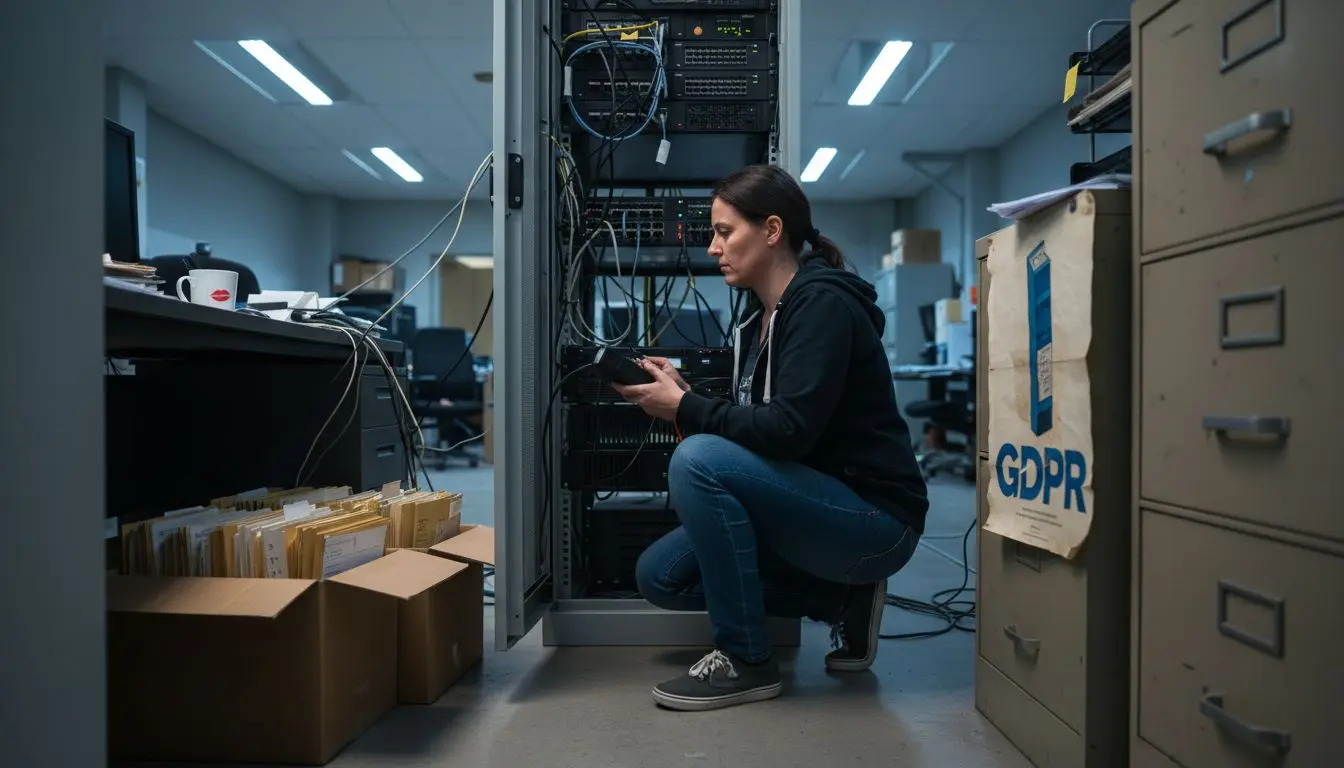
Operator responsibilities extend beyond simply watching screens. You maintain system functionality by checking camera alignment, cleaning lenses, and reporting technical faults promptly. Operator duties include maintaining systems, ensuring data security, and handling recorded footage correctly. Incident response procedures vary by organisation, but they typically require immediate supervisor notification when suspicious activity occurs. You document what you observed, the time it happened, and what actions were taken. Some facilities escalate to police for serious crimes, whilst others handle minor incidents internally. Understanding your organisation’s specific incident response protocol prevents confusion during critical moments. Communication skills matter as much as technical knowledge here. You’ll brief colleagues on incidents, prepare reports for management, and occasionally provide statements to investigators.
Pro tip: Master your organisation’s specific retention policy and access procedures from day one—knowing exactly how long footage stays on servers and who has authorisation to request it demonstrates professionalism and prevents costly data handling errors.
Licences, Training, and Legal Compliance
Working in CCTV monitoring requires more than technical ability. The UK regulatory framework demands that operators understand their legal obligations and possess appropriate qualifications. Licensing requirements depend on your specific role and employment sector. Security operatives working for licensed security companies typically need a Security Industry Authority (SIA) licence, which covers CCTV monitoring as a core function. The SIA licence demonstrates to employers that you’ve met baseline competency standards and understand legal boundaries. However, not all CCTV operators require an SIA licence. In-house security staff employed directly by organisations like hospitals, universities, or retail chains may not need one, depending on their duties. Understanding whether your role requires licensing is your first step. You can verify this quickly by checking the SIA website or asking your prospective employer during recruitment. Getting your SIA licence involves specific steps and training requirements that you should begin well before applying for positions.
Training obligations are non-negotiable. The UK GDPR and Data Protection Act 2018 require that operators receive training covering legal responsibilities, data protection principles, and correct operational procedures. This training isn’t a one-time event but an ongoing requirement. Your employer must ensure you understand how to handle footage lawfully, who can access recorded material, and what constitutes a data breach. Beyond legal training, you’ll need system-specific instruction on the cameras and software your employer uses. A poorly trained operator risks exposing the organisation to ICO enforcement action and potential fines. Your training records become part of your professional portfolio. When moving between jobs, employers often request evidence of training completion. Organisations operating CCTV systems must comply with UK GDPR and data protection requirements, and they’ll only hire operators who can demonstrate they’ve received appropriate instruction.

Legal compliance shapes every aspect of your work. Organisations must register with the Information Commissioner’s Office if their CCTV captures identifiable individuals. This registration isn’t optional. You may not directly handle registration, but understanding why it matters helps you appreciate your role’s importance. Data Protection Impact Assessments (DPIAs) must be conducted for new surveillance systems, particularly in sensitive environments like care homes or medical facilities. Your employer needs trained operators who can support these assessments by providing practical insights into system deployment. Consent becomes crucial in certain contexts. Care facilities, for instance, must often obtain explicit consent from residents before deploying surveillance. You’ll encounter specific compliance frameworks depending on your sector. Healthcare facilities follow different rules than retail environments, which differ from transport hubs. The common thread across all settings is transparency, accountability, and respect for individual privacy rights.
Pro tip: Request your training certificates and keep them in a secure folder—potential employers frequently ask for proof of GDPR and data protection training, and having documentation readily available accelerates your recruitment process and strengthens your professional credibility.
Privacy, Risks, and Operator Responsibilities
Privacy protection forms the foundation of responsible CCTV operation. Your role as a security professional carries genuine ethical weight. Individuals expect that surveillance respects their dignity and operates within legal boundaries. Proportionality is the key principle here. This means your employer can only deploy cameras to the extent necessary for legitimate security purposes. Filming inside toilet facilities or changing rooms is never acceptable, regardless of security justifications. Similarly, monitoring private office conversations goes beyond what any reasonable security need requires. Surveillance must respect individual rights and process data lawfully under UK GDPR rules. You’ll encounter decisions about camera placement regularly. When asked to reposition a camera toward a particular area, ask yourself whether the location genuinely serves a security purpose or simply satisfies curiosity. Your professional judgment matters. Pushback on inappropriate placement demonstrates integrity and protects your employer from regulatory violations.
Risks in CCTV operations extend beyond simple technical failures. Unauthorised access to footage represents a significant threat. If you’re the only person with passwords to your monitoring system, you become a security bottleneck. Change default passwords immediately. Use strong, unique credentials and never share login details with colleagues who lack legitimate access needs. Excessive retention of footage creates another substantial risk. Some organisations store video indefinitely, believing more data provides better protection. This misconception violates proportionality principles and wastes storage resources. Establish retention schedules aligned with your organisation’s actual security needs. Footage misuse happens when operators review recordings for purposes beyond security investigations. Watching footage of colleagues for gossip or personal amusement breaches privacy and violates employment law. Clear policies and regular training prevent these lapses. Your responsibility includes reporting concerning behaviour immediately. If colleagues access footage without justification or discuss recorded incidents inappropriately, inform your supervisor.
Your specific responsibilities start with access control. Only authorised personnel should retrieve or view recorded footage. Implement audit trails tracking who accessed what material and when. This documentation proves compliance during ICO inspections. Data security requires physical and digital protections. Servers storing footage must be locked in secure areas with controlled temperature and humidity. Backup systems should operate independently from primary servers. Transparent signage warns people that surveillance operates in specific areas. You’re not hiding surveillance as a trick but communicating clearly about monitored zones. Regular audits involve reviewing system functionality, checking recordings for corruption, and verifying that retention policies remain followed. When concerns emerge about privacy violations or data breaches, respond promptly and escalate appropriately. Document everything. Your organisation’s legal team needs detailed records to investigate properly.
The following table summarises operator responsibilities and related risks:
| Responsibility | Why It Matters | Potential Risk if Neglected |
|---|---|---|
| Access control | Prevents unauthorised viewing | Data breach, privacy violation |
| Audit trails | Tracks footage access | Untraceable misuse of recordings |
| Retention management | Complies with GDPR guidelines | Excessive or unlawful storage |
| Regular audits | Ensures system reliability | Missed faults, non-compliance |
| Transparent signage | Informs public of monitoring | Regulatory infringement |
Pro tip: Create a simple checklist covering proportionality, access controls, retention dates, and audit trails, then review it monthly—this proactive approach prevents compliance gaps and demonstrates professionalism to management.
Advance Your Security Career with Expert Knowledge of CCTV Monitoring
Understanding the complexities of CCTV monitoring—from legal compliance and system types to operator responsibilities—is essential for success in the UK security sector. Whether you aim to master proportional camera placement, strengthen your grasp of UK GDPR guidelines, or specialise in cutting-edge surveillance technology like PTZ or network IP systems, you need career opportunities that match your expertise and ambitions. The challenges of maintaining secure footage, handling data protection, and navigating licensing requirements demand skilled professionals who can confidently deliver results.

Take control of your security career today by exploring tailored roles on the Security Jobs Board. Gain access to a trusted platform where you can create your profile, upload your CV, and quickly apply for vacancies specifically designed for CCTV operators, technicians, and security personnel who understand the importance of compliance and effective monitoring. Don’t wait. Join now and connect with employers valuing your unique skills in surveillance and data protection to secure your next role with confidence and speed.
Frequently Asked Questions
What is CCTV monitoring and how does it work?
CCTV monitoring involves using video surveillance systems to capture and process visual data for security purposes. Cameras record activity in designated areas, allowing organisations to deter criminal behaviour and provide evidence for investigations.
What are the common types of CCTV systems?
The main types of CCTV systems include fixed cameras, pan-tilt-zoom (PTZ) cameras, mobile cameras, network IP systems, Automatic Number Plate Recognition (ANPR) systems, and facial recognition technology. Each type serves different purposes depending on the environment and security needs.
How can organisations ensure legal compliance when using CCTV?
Organisations must ensure that CCTV use is proportionate and respects individual rights as per data protection regulations. They should register with the Information Commissioner’s Office, conduct Data Protection Impact Assessments, and provide appropriate training for operators to comply with legal standards.
What are the privacy concerns associated with CCTV monitoring?
Privacy concerns stem from the potential invasion of personal privacy through surveillance. It’s essential for organisations to deploy cameras only for legitimate security purposes and avoid inappropriate monitoring, such as recording in private areas like toilets or changing rooms.


