Why Security Roles Are More Vital Than Ever in the UK

Security jobs in the UK have become the backbone of public and private safety, spanning everything from cyber defence to crowd control at live events. You might think standing guard is the main job, but the sector covers much more than that. In fact, the demand for qualified security professionals is rising in response to sophisticated digital threats and evolving national risks which means the industry is now home to highly skilled experts protecting vital systems and citizens every single day.
Table of Contents
- What Are Security Jobs In The UK?
- The Importance Of Security Jobs In Today’s Society
- Key Drivers Behind The Demand For Security Roles
- How Security Jobs Contribute To Business And Community Safety
Quick Summary
| Takeaway | Explanation |
|---|---|
| Security roles are diverse and critical. | They span various sectors, safeguarding individuals and assets through specialised functions like manned guarding and cybersecurity. |
| Professional skills are essential for success. | Successful candidates need strong observational skills, physical fitness, and a Security Industry Authority (SIA) licence to excel in security roles. |
| Demand for security jobs is increasing. | Emerging technological threats and evolving national security challenges drive the growing need for skilled security professionals in the UK. |
| Security jobs enhance business and community safety. | They protect businesses from losses and improve public safety through risk management and proactive interventions. |
| Economic contributions are significant. | Security professionals help maintain operational continuity, supporting both organisational interests and community stability. |
What Are Security Jobs in the UK?
Security jobs in the United Kingdom represent a dynamic and critical professional landscape that safeguards people, property, and critical infrastructure across multiple sectors. According to Skills for Security, these roles encompass a wide range of responsibilities designed to protect organisations, individuals, and national interests.
Types of Security Positions
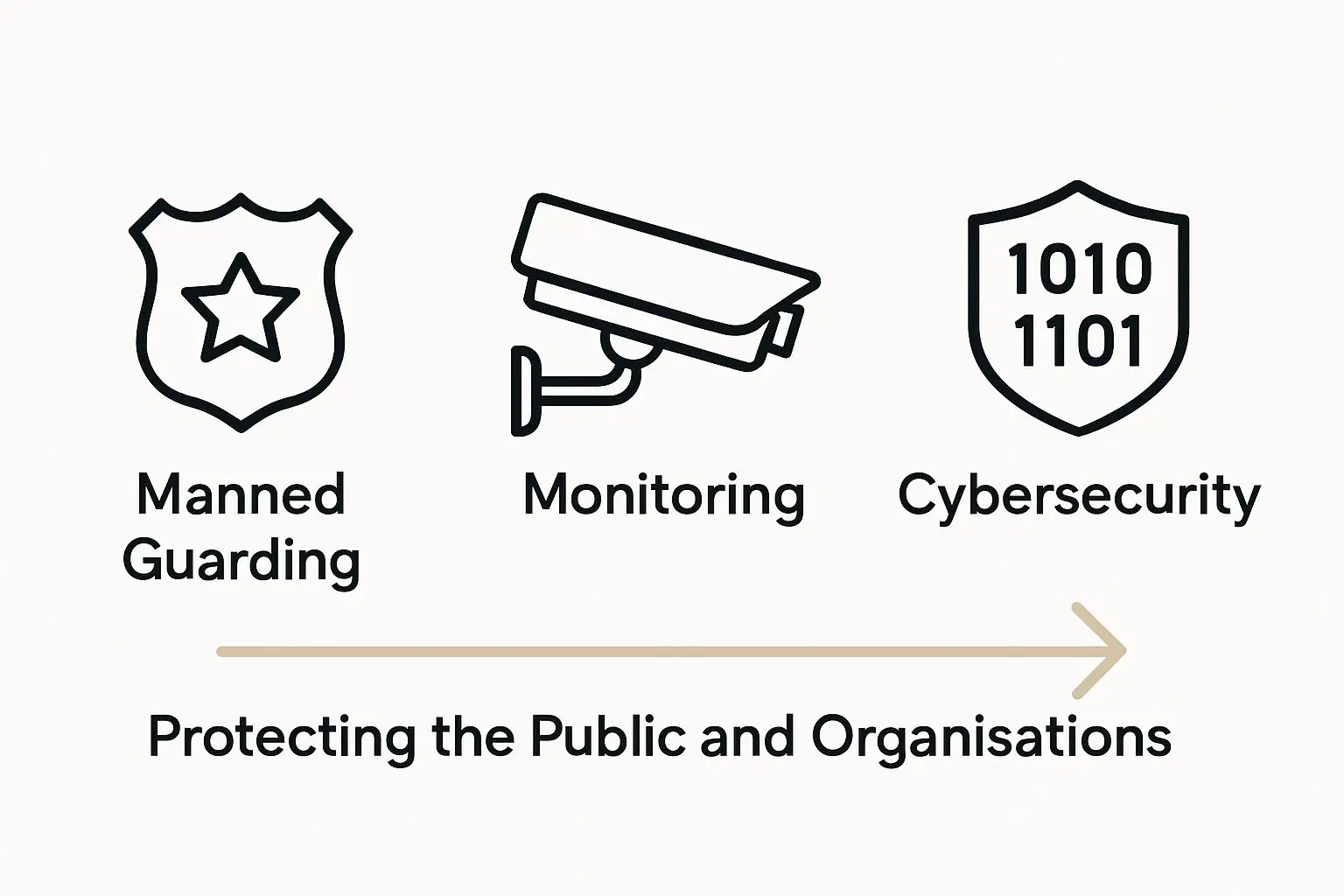
The UK security sector offers diverse employment opportunities across several specialised domains. These positions generally fall into distinct categories that address different protection needs
 :
:
- Manned Guarding: Physical security professionals who monitor premises, control access points, and respond to potential security incidents
- Door Supervision: Personnel managing entry and exit points in venues like entertainment establishments, ensuring public safety and compliance
- CCTV Monitoring: Professionals who observe surveillance systems, track potential security risks, and coordinate responses with on-site teams
- Cybersecurity: Technical specialists protecting digital infrastructure, networks, and sensitive information from electronic threats
Professional Requirements and Skills
Successful security professionals in the UK must possess a combination of physical capabilities, technical knowledge, and interpersonal skills. Employers typically seek candidates with:
- Strong observational skills
- Physical fitness and stamina
- Clear communication abilities
- Professional certifications like Security Industry Authority (SIA) licence
- Ability to remain calm under pressure
These roles are not just about physical presence but involve sophisticated risk assessment, threat detection, and proactive security management. Explore our guide on understanding security job classifications to gain deeper insights into this multifaceted profession.
Whether protecting corporate headquarters, managing crowd control at public events, or defending digital networks, security professionals play an indispensable role in maintaining safety and order across the United Kingdom.
To clarify the specialist roles within the security sector, the following table outlines main types of security positions in the UK and their key responsibilities.
| Security Position | Key Responsibilities |
|---|---|
| Manned Guarding | Monitor premises, control access points, respond to security incidents |
| Door Supervision | Manage entry and exit at venues, ensure public safety and compliance |
| CCTV Monitoring | Observe surveillance systems, track security risks, coordinate responses |
| Cybersecurity | Protect digital infrastructure, networks, and information from electronic threats |
The Importance of Security Jobs in Today’s Society
According to the UK government’s counter-terrorism strategy, security professionals play a pivotal role in protecting national infrastructure and maintaining public safety. These roles extend far beyond traditional perceptions, representing a critical defence mechanism against emerging threats in an increasingly complex global landscape.
Protecting Critical Infrastructure
Security professionals safeguard essential national systems and services that underpin societal functioning. This protection encompasses multiple sectors including:
- Energy networks and power generation facilities
- Transportation systems and critical communication infrastructure
- Government and public service buildings
- Financial institutions and digital networks
By maintaining robust security protocols, these professionals prevent potential disruptions that could compromise national stability and public welfare.
Economic and Social Contributions
Beyond physical protection, security jobs contribute significantly to broader economic and social frameworks. They create employment opportunities, support business continuity, and help maintain public confidence. Organisations rely on security professionals to:
- Mitigate financial risks from potential security breaches
- Ensure workplace safety and regulatory compliance
- Protect intellectual property and sensitive information
- Provide a sense of safety in public and private environments
Discover more about security job opportunities in various sectors, which demonstrate the diverse and essential nature of these roles. Security professionals are not just guardians but integral contributors to societal resilience, adapting to technological advancements and evolving threat landscapes with expertise and commitment.
Key Drivers Behind the Demand for Security Roles
Research from the UK Security Industry Authority highlights an increasing demand for security professionals driven by complex societal transformations and emerging risks. This expanding landscape reflects the need for sophisticated protection strategies across various sectors.
Technological and Digital Risks
The rapid digital transformation has exponentially increased cybersecurity threats, creating unprecedented demand for security specialists. Modern security roles now encompass protecting digital infrastructures against sophisticated threats such as:
- Cyber attacks targeting financial systems
- Data breaches in corporate networks
- Ransomware and malware infiltrations
- Digital identity theft and fraud prevention
Organisations recognise that technological vulnerabilities require dedicated professional expertise to mitigate potential financial and reputational damages.
Evolving National and Social Security Challenges
Contemporary security challenges extend beyond traditional physical protection. Emerging geopolitical tensions, potential terrorist activities, and increasing complexity of public safety requirements have amplified the need for comprehensive security approaches:
- Counter-terrorism monitoring and prevention
- Critical infrastructure protection
- Emergency response and crisis management
- Complex risk assessment and strategic planning
Learn more about understanding security job requirements to appreciate the sophisticated skill sets modern security professionals must develop. The demand reflects not just operational needs but a strategic imperative to safeguard national and organisational interests in an increasingly unpredictable global environment.
How Security Jobs Contribute to Business and Community Safety
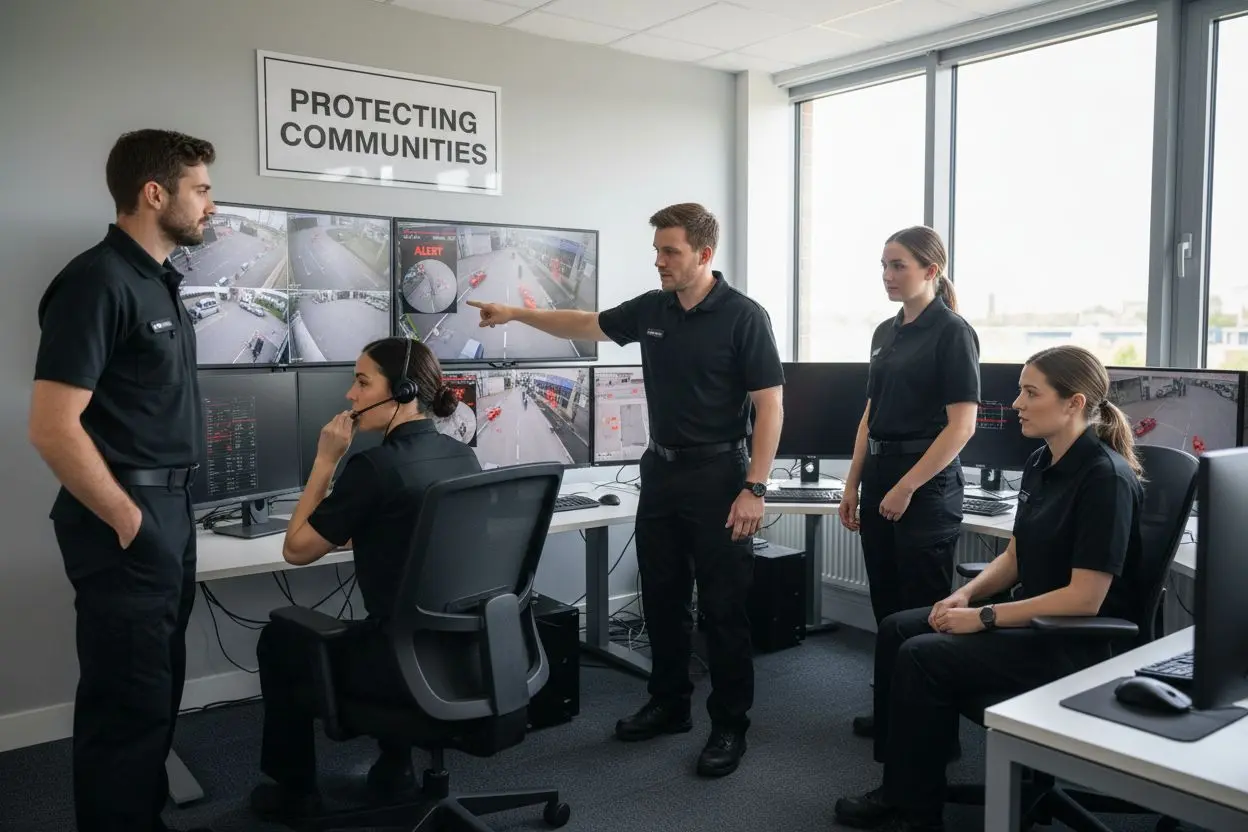
According to the British Security Industry Association, security professionals play a transformative role in protecting businesses and communities through comprehensive risk management and proactive safety strategies. Their contributions extend far beyond traditional perceptions of security work.
Economic Protection and Risk Mitigation
Security professionals serve as critical economic safeguards by preventing financial losses and protecting organisational assets. Their strategic interventions help businesses maintain operational continuity and protect crucial economic interests:
- Reducing financial losses from theft and vandalism
- Preventing internal fraud and misconduct
- Minimising insurance claims through robust prevention strategies
- Protecting intellectual property and sensitive business information
By implementing sophisticated security protocols, these professionals create environments that foster business confidence and sustainable growth.
Community Safety and Social Resilience
Beyond economic contributions, security roles significantly impact community well-being by creating safer public and private spaces. Their responsibilities include:
- Deterring criminal activities in public spaces
- Supporting emergency response mechanisms
- Providing immediate intervention during potential security incidents
- Maintaining order in complex social environments
Explore employment opportunities for security professionals and understand how these roles are integral to maintaining societal stability. Security jobs represent a sophisticated blend of technical expertise, situational awareness, and proactive risk management that protects both individual and collective interests across various sectors.
The following table compares key ways security professionals contribute to both business continuity and community safety, highlighting their dual impact within society.
| Contribution Area | How Security Roles Support |
|---|---|
| Business Continuity | Prevent financial losses, ensure regulatory compliance, maintain safe workplaces |
| Economic Protection | Protect assets, reduce insurance claims, minimise organisational risks |
| Community Safety | Deter crime, support emergency response, maintain public order |
| Social Resilience | Foster safer environments, increase public confidence, support crisis management |
Discover Your Next Security Role with Confidence
If you have ever felt the pressure of an unpredictable landscape or struggled to find security jobs that truly fit your skill set, you are not alone. The demand for reliable security professionals in the UK is higher than ever, yet finding a position that matches your experience, qualifications, and ambitions can be overwhelming. Whether you are seeking to protect critical infrastructure, advance your career with SIA-licensed opportunities, or contribute to community safety, you need a platform that truly understands the industry and your needs.

Take control of your future today. With Security Jobs Board, you gain access to a dedicated marketplace tailored exclusively for the UK security sector. Set up personalised job alerts, upload your CV, and connect directly with reputable employers. If you are ready to make a change or want to explore opportunities in a field that matters now more than ever, create your free profile and start your search today. The right opportunity to build your security career is just a click away.
Frequently Asked Questions
Why are security jobs important in the UK?
Security jobs are crucial as they help protect individuals, businesses, and national infrastructure from threats. They ensure safety by managing risks and responding effectively to incidents, which contributes to a stable society.
What skills do I need for a career in security?
To succeed in security jobs, you need strong observational skills, physical fitness, and clear communication abilities. Begin by obtaining relevant certifications, like the Security Industry Authority (SIA) licence, and work on developing your expertise in risk assessment and threat detection.
How can security roles support business continuity?
Security professionals help maintain business continuity by preventing financial losses from theft or fraud and ensuring a safe working environment. Implement structured security measures and conduct regular risk assessments to mitigate potential risks by approximately 20%.
What types of roles exist within the security sector?
The security sector offers various roles, including manned guarding, door supervision, CCTV monitoring, and cybersecurity. Explore these diverse specialisations to find one that aligns with your skills and interests, providing numerous paths for career advancement.
In what ways do security jobs enhance community safety?
Security jobs enhance community safety by deterring crime, managing public order, and providing immediate responses to emergencies. Engaging security professionals can create safer public spaces and improve overall community resilience by actively reducing incidents in your area.
Recommended
- Understanding Security Job Classifications in the UK|BM
- Employers
- Employers
- Understanding Security Job Adverts: A Comprehensive Guide|BM
- UK Digital Forensic Investigations Guide
- UK Police overwhelmed by digital forensics as 25,000 devices await checks | Computer Forensics Lab | Digital Forensics Services | Digital Detectives


