Your Complete Guide to Acing Security Job Interviews
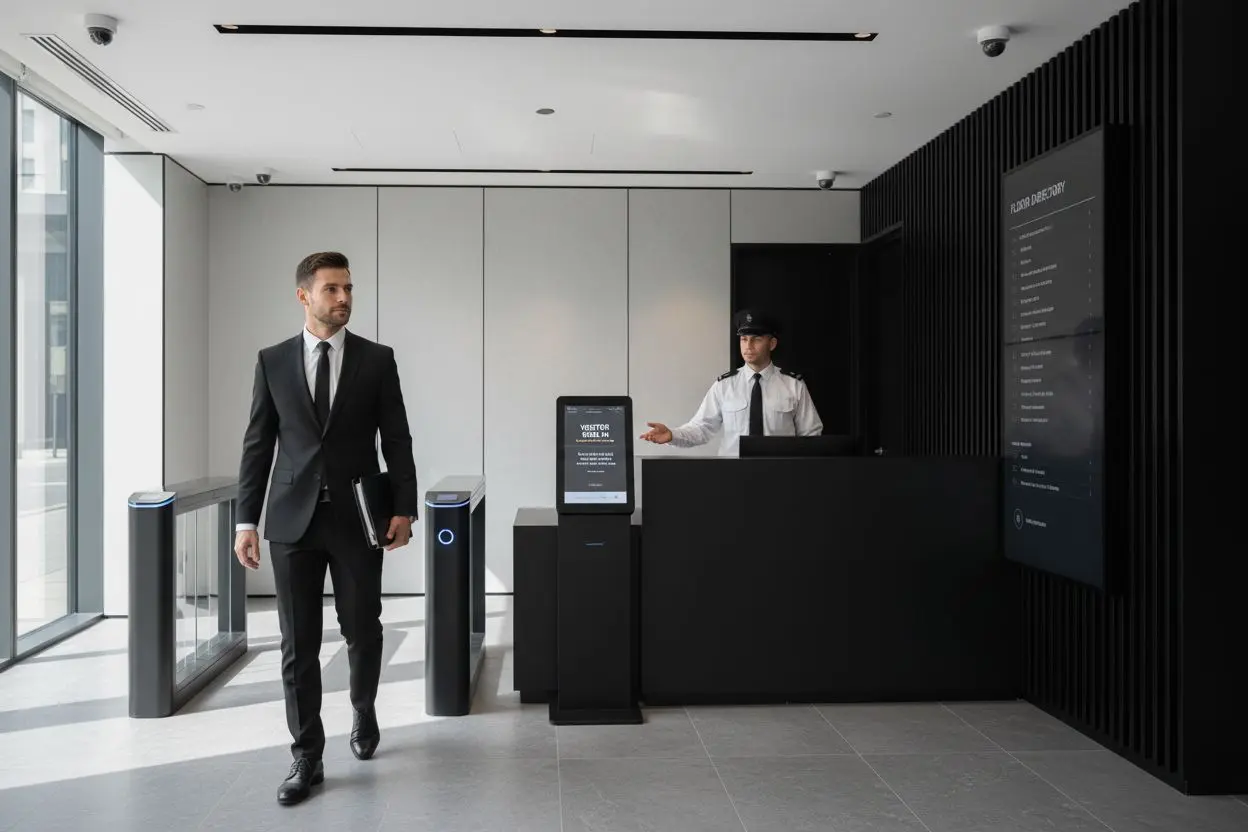
More than 80 percent of employers notice when candidates come to an interview unprepared. In the security sector, that first impression can make or break your chances. Whether you are aiming for your next site supervisor post or a specialist protective role, the right preparation bridges the gap between your skills and the employer’s real needs. You will learn practical ways to demonstrate your understanding, professionalism, and value long before you walk through those interview doors.
Quick Summary
| Key Point | Explanation |
|---|---|
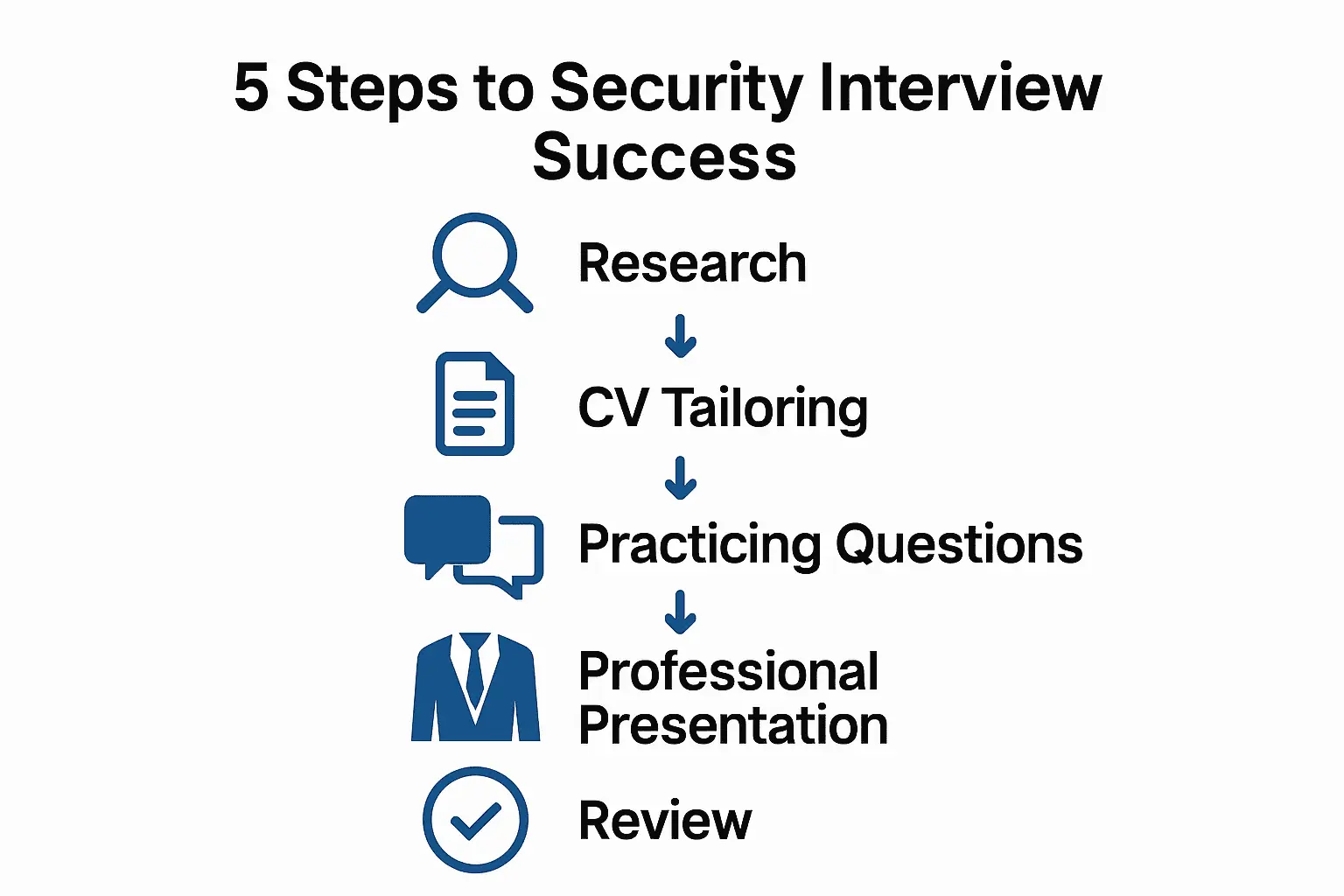
| 1. Research the employer thoroughly | Understand the organization’s mission, values, and culture to tailor your interview responses. |
| 2. Tailor your CV for relevance | Align your experiences and skills with the job description, using industry-specific keywords. |
| 3. Practice specific interview scenarios | Develop articulate responses to situational questions relevant to security roles. |
| 4. Demonstrate professionalism | Maintain appropriate attire and communication to reflect suitability for the security industry. |
| 5. Reflect on your interview performance | Document your experiences and seek feedback to identify areas for future improvement. |
Table of Contents
- Step 1: Research The Security Employer And Role
- Step 2: Tailor Your CV And Documents For The Interview
- Step 3: Practise Security-Specific Interview Questions
- Step 4: Demonstrate Professionalism During The Interview
- Step 5: Review And Improve Your Interview Performance
Step 1: Research the Security Employer and Role
Researching your potential security employer is more than just a preliminary step it is your strategic advantage in the job interview. Your goal is to understand the organisation deeply enough to demonstrate genuine interest and alignment with their specific needs and culture.
Start by exploring the company website thoroughly. Look beyond the careers page and dig into their mission statement, recent projects, leadership team biographies and any published insights about their security challenges. According to Hays recruitment insights, comprehensive research helps you tailor your interview answers effectively.
Check the company’s social media profiles LinkedIn is particularly useful for security sector organisations. Observe their recent posts about projects, challenges and team dynamics. This will give you real world context about their operational environment. ITJobBoard research emphasises understanding the specific business model and potential security challenges in their industry sector.
For security roles specifically look into their industry vertical. Are they protecting financial institutions retail spaces government facilities or corporate headquarters? Each sector has unique security requirements. Understanding these nuances will help you craft more precise responses during your interview.
Here’s a summary of the research essentials for security employer preparation:
| Research Area | Key Sources | What to Look For |
|---|---|---|
| Organisation Profile | Company website Leadership bios |
Mission statement Values Key projects |
| Industry Focus | News articles Sector reports |
Business model Major risks |
| Social Media Presence | LinkedIn Company feeds |
Team culture Recent achievements |
| Security Challenges | Insights Case studies |
Regulatory environment Emerging threats |
Pro Tip: Create a one page summary of your research findings. This preparation demonstrates your proactive approach and genuine interest in the role.
Your research sets the foundation for a confident interview performance. In the next step we will explore how to translate your research into compelling interview responses that showcase your understanding and value.
Step 2: Tailor Your CV and Documents for the Interview
Tailoring your CV and application documents for a security role is about creating a strategic snapshot that speaks directly to the employer’s specific needs. Your goal is to transform a generic document into a targeted professional narrative that demonstrates your perfect fit for the role.
Begin by thoroughly analyzing the job description. Extract key skills and requirements then strategically align your professional experiences to match. According to the Guild of Security Industry Professionals, it is crucial to use industry specific keywords and quantify your professional achievements whenever possible.
Focus on highlighting relevant security certifications and licences. If you hold an SIA licence CCTV operator certification or other professional credentials make them prominent. These validate your professional standing and immediately signal your credibility to potential employers. Showcase specific security experiences that align with the role whether it involves corporate security retail loss prevention event security or specialist protective services.
Ensure your CV demonstrates measurable impacts. Instead of generic statements like responsible for security use specific metrics. For example write patrolled 25000 square metre corporate campus with zero security breaches or reduced inventory shrinkage by 22 percent through strategic surveillance techniques. These concrete details transform your application from passive to powerful.
Pro Tip: Have a trusted colleague or security professional review your tailored CV to ensure it effectively communicates your professional value.
Your meticulously crafted documents set the stage for interview success. In the next step you will learn how to prepare compelling responses that complement your carefully tailored application materials.
Step 3: Practise Security-Specific Interview Questions
Preparing for a security role interview requires more than standard interview preparation. Your goal is to demonstrate not just technical knowledge but the specific mindset and skills crucial in security professions.
Start by creating a comprehensive practice scenario bank. Focus on developing responses to questions that test your situational awareness problem solving and professional judgement. Common areas include incident response protocols emergency management communication strategies and ethical decision making in complex security environments.
Role play different scenarios with a trusted colleague or mentor. Practice answering questions about handling potential security breaches managing difficult individuals conducting effective surveillance and maintaining professional composure under pressure. These practice sessions help you develop articulate concise responses that showcase your expertise.
Record yourself during practice interviews to analyse your body language tone and communication clarity. Security professionals are evaluated not just on what they say but how they say it. Aim to project confidence professionalism and calm authority. Pay special attention to your non verbal communication which is critical in security roles where reading and projecting the right signals matters.
Pro Tip: Prepare concrete examples from your professional experience that demonstrate your ability to handle challenging security scenarios effectively.
Check out our guide on understanding security job adverts to gain deeper insights into the specific skills and attributes employers seek. Your thorough preparation will help you transform a standard interview into a compelling demonstration of your professional capabilities.
Step 4: Demonstrate Professionalism During the Interview
In the security industry your professional demeanour speaks volumes before you even utter a word. Every interaction is an opportunity to showcase your suitability for roles that demand precision discipline and uncompromising standards.
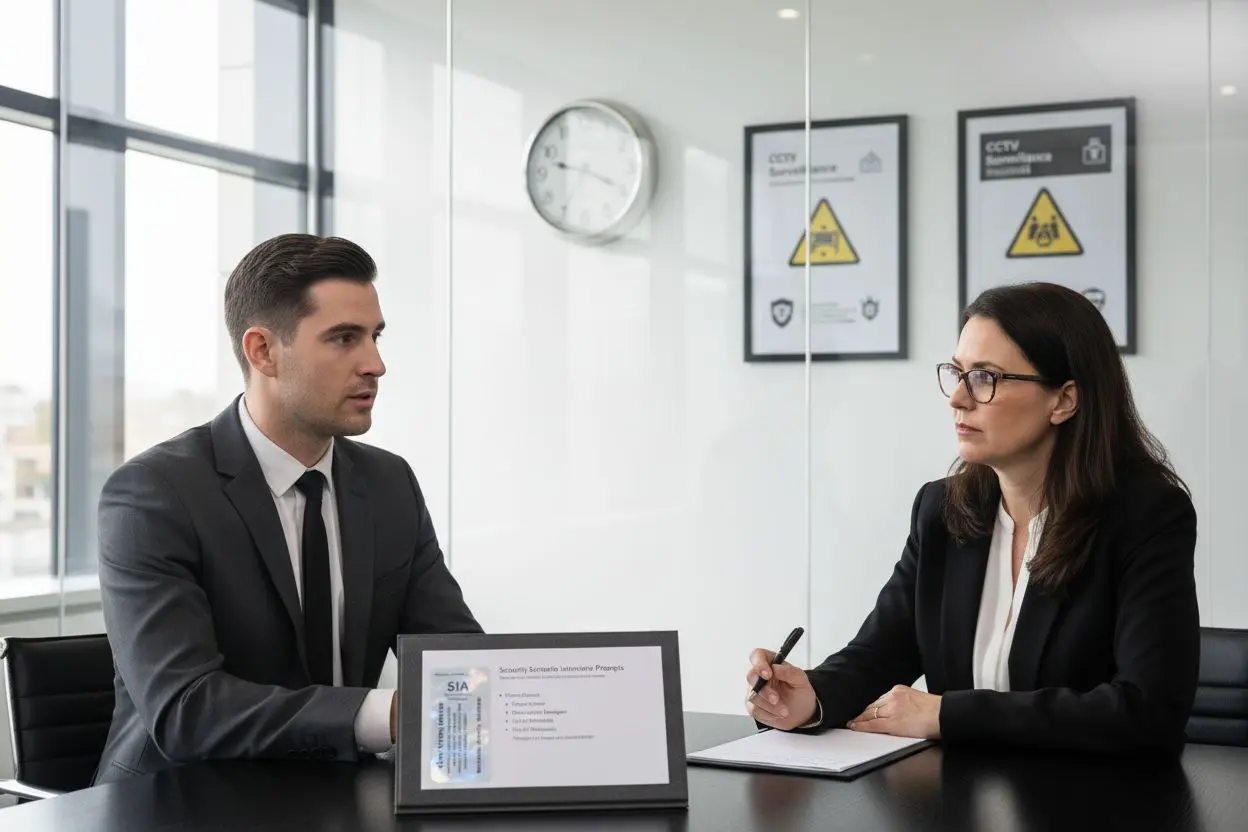
Dressing appropriately sets the foundation for your professional presentation. According to MatchUp recruitment insights, opt for business casual attire that reflects the security sector’s structured yet practical environment. Bring all essential documentation including your CV SIA badge and professional certifications neatly organised in a professional folder.
As WeLiveSecurity recommends maintain courteous and honest communication throughout the interview. Your verbal and non verbal communication should demonstrate situational awareness a critical skill in security roles. Listen actively maintain appropriate eye contact and respond thoughtfully to questions. Show genuine interest by asking intelligent questions about the role team and organisational security challenges.
Remember that professionalism extends beyond the physical interview. If conducting a remote interview ensure your background is neat professional and distraction free. Position your camera at eye level maintain good lighting and dress exactly as you would for an in person meeting. Test your technology beforehand to avoid technical disruptions that could undermine your professional image.
Pro Tip: Your body language communicates as much as your words. Sit upright make direct eye contact and avoid nervous gestures that might suggest uncertainty.
Your meticulous approach to professionalism demonstrates to potential employers that you understand the fundamental principles of security work attention to detail composure under pressure and unwavering personal standards.
Step 5: Review and Improve Your Interview Performance
Interviews are not just about getting the job they are opportunities for professional growth and learning. Your performance reflection can transform future interview experiences and accelerate your security career progression.
Immediately after the interview document your experience while details are fresh. Recall specific questions challenges and your responses. According to MatchUp recruitment insights, follow up with a brief thank you message within 24 hours to reinforce your professionalism and genuine interest in the role.
Conduct a thorough self assessment. Critically analyse your interview performance identifying strengths and areas for improvement. Were your answers concise and relevant? Did you demonstrate the specific security sector skills and mindset employers seek? Be honest and objective in your evaluation.
As recommended by the Guild of Security Industry Professionals, embrace continuous professional development. Maintain a CPD portfolio documenting your learning journey. This approach not only helps you track personal growth but also demonstrates to potential employers your commitment to professional excellence.
Pro Tip: Request constructive feedback from the interviewer if possible. Many professionals are hesitant to do this but it provides invaluable insights for future improvements.
Remember that each interview is a stepping stone. Your willingness to learn reflect and adapt sets you apart in the competitive security job market. Every experience brings you closer to your ideal role.
Take Control of Your Security Career With Tailored Support
You have invested time researching employers, honing your CV, and practising interview techniques as outlined in our Security Job Interview Guide for UK Jobseekers. Yet, finding trusted, sector-specific opportunities and navigating the application process can still feel overwhelming. Common frustrations such as unclear job adverts, slow application systems, and the challenge of showcasing your security qualifications are real concerns faced by UK professionals every day.

At Security Jobs Board, we help you bridge the gap between preparation and real interview success. Create a free profile, upload your tailored CV, and set instant job alerts based on your expertise—no more generic listings or lost opportunities. Our secure platform is engineered for the UK security industry, trusted by jobseekers and employers alike. Take the next step now. Visit the Security Jobs Board and turn your preparation into your dream role today.
Frequently Asked Questions
How can I effectively research a security employer before my interview?
To effectively research a security employer, start by thoroughly exploring their website, focusing on the mission statement, recent projects, and leadership bios. Look into their social media profiles to understand their culture and current security challenges, allowing you to tailor your interview responses appropriately.
What key elements should I include in my CV for a security role?
Your CV for a security role should highlight relevant security certifications, quantify your achievements, and include specific security experiences that align with the job description. Make sure to use industry-specific keywords to improve your chances of catching the employer’s attention.
What types of questions should I practice for a security job interview?
Focus on practicing questions that test your situational awareness, problem-solving, and professional judgment in security-related scenarios. Prepare answers for handling security breaches, emergency management, and ethical decision-making to demonstrate your competencies.
How should I present myself during a security job interview?
Dress in appropriate business casual attire, ensuring you project professionalism and confidence. Organize your essential documentation, such as your CV and certifications, in a professional folder to enhance your presentation during the interview.
What should I do immediately after the interview for a security position?
Immediately after the interview, document your experiences, including specific questions asked and your responses. Follow up with a brief thank you message within 24 hours to express your appreciation and reinforce your interest in the role.
How can I improve my interview performance for future security job opportunities?
After each interview, conduct a self-assessment to identify strengths and areas for improvement in your responses and overall demeanor. Aim to learn from each experience and consider requesting feedback from the interviewer if possible for valuable insights.


