The Essential Guide to Remote Security Jobs UK
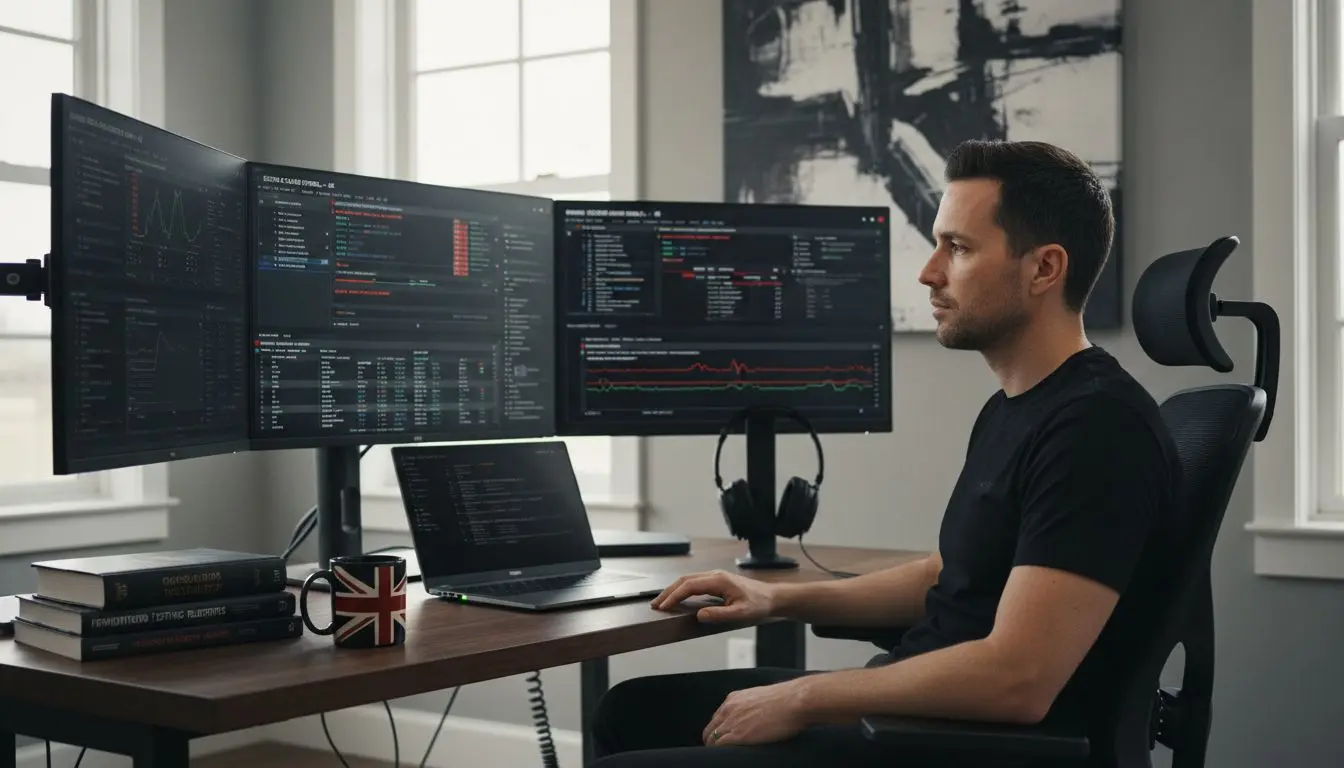
Did you know that over a quarter of core UK cyber security job postings in 2024 offered remote options? As cyber threats grow more complex, organisations increasingly depend on skilled professionals who can protect digital assets from anywhere with a secure internet connection. Remote security jobs now reflect a powerful shift in where and how experts defend vital networks, opening doors for those seeking flexibility without sacrificing influence or career growth.
Table of Contents
- Defining Remote Security Jobs in the UK
- Popular Roles and Job Variations
- Key Skills and Technology Requirements
- Legal, Regulatory, and GDPR Compliance
- Employer Expectations and Remote Challenges
Key Takeaways
| Point | Details |
|---|---|
| Growing Remote Job Market | 26% of core cyber job postings in the UK are remote, indicating a significant shift in cybersecurity employment. |
| Essential Skills Required | Professionals need advanced digital communication, cloud security knowledge, and proficiency in remote monitoring tools. |
| Compliance is Critical | Understanding GDPR and implementing robust data protection strategies are paramount for remote security roles. |
| Employer Expectations | Employers expect self-management, accountability, and continuous learning from remote security professionals. |
Defining Remote Security Jobs in the UK
Remote security jobs represent a growing segment of the UK cyber security employment landscape, offering professionals unprecedented flexibility in protecting digital infrastructures. Remote security roles encompass positions where cybersecurity experts manage organisational security from locations outside traditional office environments, leveraging technology to monitor, analyse, and mitigate potential digital threats.
According to recent government research, 26% of core cyber job postings in the UK were marked as remote or UK-wide in 2024, signalling a significant shift in how security work is conceptualised and delivered. These roles typically involve tasks such as network monitoring, threat detection, incident response, and security architecture design - all performed from a home office or alternative workspace with robust digital connectivity.
The unique nature of remote security positions demands specific skill sets and technological capabilities. Professionals must demonstrate:
- Advanced digital communication skills
- Self-motivated work ethic
- Comprehensive understanding of cloud security protocols
- Ability to use sophisticated remote access and monitoring tools
To gain deeper insights into this evolving field, explore our comprehensive guide on security job classifications, which provides additional context about the dynamic UK security employment landscape.
Popular Roles and Job Variations
The UK remote security job market offers a diverse range of professional opportunities for cybersecurity experts seeking flexible work arrangements. According to government research, the most demanded core cyber roles in 2024 include Security Analyst, Security Engineer, Security Manager, and Security Consultant, with each role presenting unique responsibilities and remote working potential.
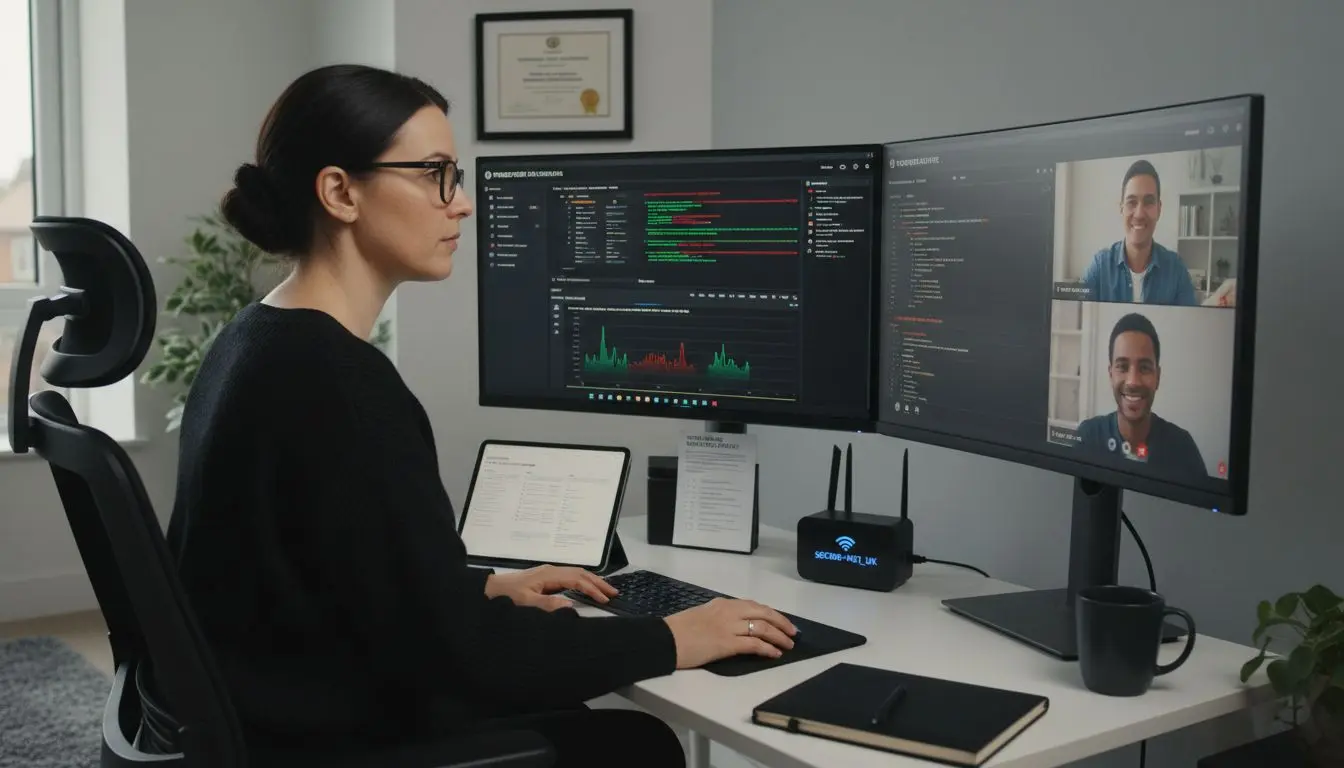
Security Analysts, representing 28% of core cyber job postings, play a critical role in monitoring digital infrastructures, detecting potential threats, and implementing protective strategies. These professionals typically conduct comprehensive security assessments, analyse system vulnerabilities, and develop incident response protocols - all achievable through robust remote working technologies.
Other prominent remote security roles include:
Here’s a comparison of the main remote security roles in the UK and their core duties:
| Role | % of Core Postings (2024) | Key Responsibilities |
|---|---|---|
| Security Analyst | 28% | Threat detection Risk assessments Incident response |
| Security Engineer | 26% | Network design Secure implementations Vulnerability fixes |
| Security Manager | 22% | Team management Policy oversight Strategy leadership |
| Security Consultant | 8% | Security audits Strategic advice Compliance assessment |
- Security Engineer (26% of postings): Designing and implementing secure network architectures
- Security Manager (22% of postings): Overseeing organisational security strategies and team management
- Security Consultant (8% of postings): Providing strategic advice and conducting specialised security audits
For professionals exploring these dynamic career paths, our comprehensive guide on security job classifications provides deeper insights into the nuanced landscape of UK security employment opportunities.
Key Skills and Technology Requirements
Remote security professionals in the UK must possess a comprehensive blend of technical expertise and strategic capabilities to excel in today’s dynamic cybersecurity landscape. According to government research, employers are increasingly seeking candidates with robust skills in risk assessments, vulnerability scanning, penetration testing, and developing comprehensive security strategies.
The technological skill set for remote security roles extends beyond traditional technical knowledge. Professionals must demonstrate proficiency in advanced cybersecurity tools, cloud security platforms, and remote monitoring technologies. Critical technical competencies include network security configuration, threat detection algorithms, secure communication protocols, and advanced encryption techniques.
Key skills and technological requirements for remote security professionals include:
- Cybersecurity Frameworks: Comprehensive understanding of NIST, ISO 27001, and CIS controls
- Cloud Security: Expertise in AWS, Azure, and Google Cloud security configurations
- Programming Languages: Proficiency in Python, JavaScript, and PowerShell for security scripting
- Network Security Tools: Advanced knowledge of Wireshark, Metasploit, and Nmap
- Threat Intelligence: Ability to use platforms like ThreatConnect and AlienVault
To dive deeper into the evolving landscape of security job requirements, check out our guide on security job classifications, which provides comprehensive insights into the skills and technologies shaping the UK cybersecurity sector.
Legal, Regulatory, and GDPR Compliance
Remote security professionals in the UK face complex legal and regulatory landscapes that demand meticulous attention to data protection and information security standards. Government research highlights that remote working significantly increases the risk of information loss or theft, necessitating robust compliance mechanisms across various industry sectors.
GDPR compliance represents a critical component of remote security work, particularly in sensitive sectors like financial services and public administration. Professionals must implement comprehensive data protection strategies that ensure the confidentiality, integrity, and availability of personal and organisational information while working outside traditional secure office environments.
Key legal and regulatory compliance requirements include:
- Data Protection: Strict adherence to GDPR principles and UK data protection regulations
- Information Security: Implementing multi-factor authentication and encrypted communication channels
- Risk Management: Conducting regular security assessments and vulnerability audits
- Access Control: Maintaining granular user permissions and monitoring remote access protocols
- Incident Reporting: Developing transparent processes for documenting and escalating potential security breaches
For a deeper understanding of the intricate compliance landscape, explore our comprehensive guide on security job classifications, which offers detailed insights into the legal frameworks governing remote security roles in the UK.
Employer Expectations and Remote Challenges
Remote security professionals in the UK face increasingly complex expectations from employers who demand rigorous information protection and proactive risk management. Government research indicates that employers anticipate remote workers to demonstrate exceptional judgment and implement robust security behaviors when handling sensitive information outside traditional office environments.
The evolving landscape of remote work introduces significant challenges for both employers and security professionals. Organizations must balance the need for flexible working arrangements with maintaining comprehensive security protocols. This requires advanced technological solutions, continuous employee training, and sophisticated remote monitoring mechanisms that can effectively mitigate potential security vulnerabilities.
Key employer expectations and challenges include:
- Trust and Accountability: Demonstrating consistent professional conduct and reliable performance
- Technical Preparedness: Maintaining personal computing infrastructure meeting corporate security standards
- Communication Protocols: Establishing clear, secure communication channels
- Continuous Learning: Staying updated with emerging cybersecurity threats and mitigation strategies
- Self-Management: Independently managing security risks without direct physical supervision
To explore more nuanced insights into navigating these complex professional dynamics, review our comprehensive guide on security job classifications, which offers in-depth perspectives on employer expectations in the UK security sector.
Find Your Ideal Remote Security Role Today
Navigating the complex landscape of remote security jobs in the UK can feel overwhelming with the need for specialised skills, strict GDPR compliance and remote working challenges. The key to success lies in connecting with the right opportunities that understand these unique requirements and offer roles tailored for flexible, yet highly secure working environments. Whether you are a Security Analyst, Engineer or Consultant aiming to enhance your career from home, it is essential to access a platform that supports your goals and simplifies the recruitment process.

Start your remote security career journey now with the Security Jobs Board. Our dedicated platform is designed to match you quickly with vacancies that value your expertise in cloud security, risk management and incident response. Take advantage of our user-friendly interface to create a profile, upload your CV and receive tailored job alerts. Employers trust our BSIA-affiliated site to find professionals who meet their high expectations for compliance and technical skill. Visit us today at securityjobsboard.co.uk and explore how you can secure your next role with confidence and speed.
Frequently Asked Questions
What are remote security jobs?
Remote security jobs involve cybersecurity experts managing organizational security from locations outside traditional office environments, leveraging technology to monitor and mitigate digital threats.
What key skills are required for remote security professionals?
Remote security professionals should possess skills in risk assessments, vulnerability scanning, cloud security, advanced cybersecurity tools, and programming languages like Python and JavaScript.
What are the most common remote security roles available?
The most common remote security roles include Security Analyst, Security Engineer, Security Manager, and Security Consultant, each with specific responsibilities and job functions.
How does GDPR compliance affect remote security jobs?
GDPR compliance is critical for remote security professionals, requiring them to implement data protection strategies and ensure the confidentiality and integrity of personal and organizational information while working remotely.


